
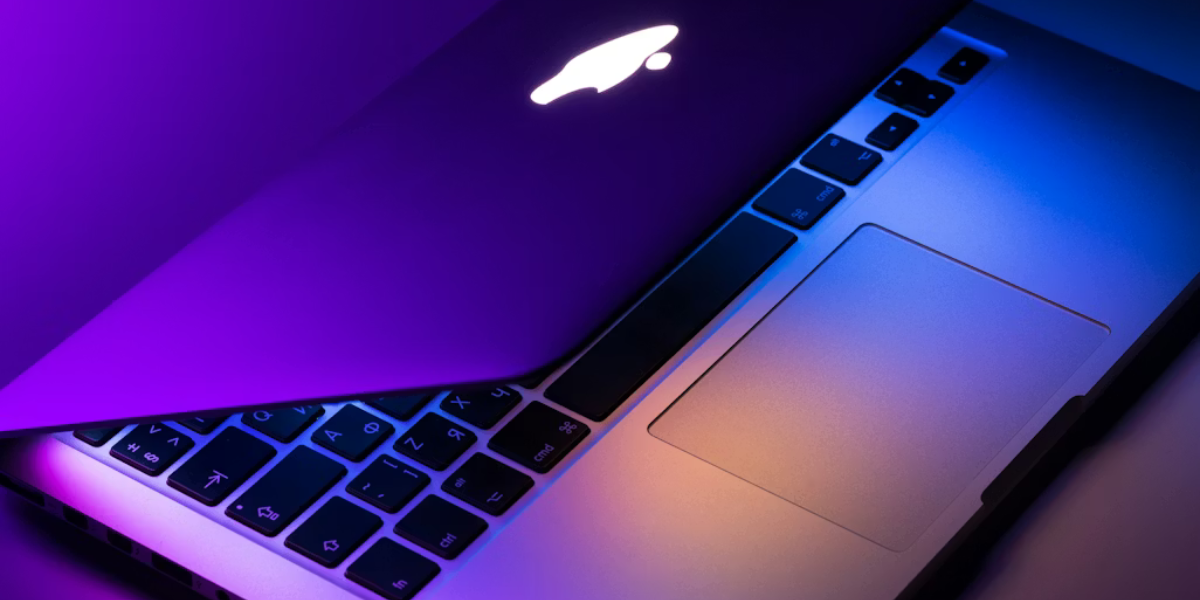
Apple introduced a new range of devices this week as part of its March 2026 product announcements, highlighted by the debut of the MacBook Neo, a new lower-cost laptop designed to expand access to the company’s ecosystem. The product rollout also included updated MacBook Pro and MacBook Air models, a refreshed iPad Air, and the introduction of the iPhone 17e. Together, these releases represent one of Apple’s most significant early-year product updates in recent years and demonstrate the company’s continued focus on performance improvements and broader consumer accessibility.
The MacBook Neo drew particular attention due to its comparatively affordable price point and its use of Apple’s mobile-class silicon. Starting at around $599, the laptop is powered by the A18 Pro chip, which is also used in Apple’s recent iPhone models. The device is available in several colors and is designed to deliver reliable performance for everyday computing tasks such as web browsing, media streaming, document editing, and online communication.
Apple’s strategy with the MacBook Neo appears to focus on attracting new customers who may have previously considered the company’s laptops out of reach financially. By introducing a lower entry price while still integrating Apple’s hardware and software ecosystem, the company is expanding its presence in the education and budget laptop markets. These segments have traditionally been dominated by Chromebooks and lower-priced Windows laptops, making Apple’s entry into this space a notable development for the broader personal computing industry.
In addition to the Neo, Apple refreshed its professional laptop lineup with new MacBook Pro models equipped with the latest M5 Pro and M5 Max chips. These processors are designed to deliver improved graphics performance and enhanced computing capabilities for demanding tasks such as video editing, music production, software development, and advanced design work. Professionals who rely on high-performance computing devices may benefit from faster processing speeds and improved efficiency in these updated models.
Apple also released updated Studio Display models alongside the new MacBook Pro computers. The refreshed displays offer enhanced brightness and color accuracy, making them particularly useful for creative professionals who require high-quality visual output. Improvements to connectivity and display technology aim to support modern creative workflows and multi-device setups.
The company’s MacBook Air lineup also received an upgrade with the introduction of the M5 chip. Known for its thin design and portability, the MacBook Air remains one of Apple’s most popular laptops. The latest version focuses on improved energy efficiency and faster performance while maintaining the lightweight design that has made the device especially popular with students, freelancers, and remote workers.
Another key announcement during the product rollout was the introduction of the iPhone 17e, a more affordable addition to Apple’s flagship smartphone lineup. The device includes a faster processor, improved durability, and an advanced camera system designed to deliver strong performance in both photography and video recording. Apple also increased the starting storage capacity to 256GB, doubling the base storage offered in several previous entry-level models.
The iPhone 17e is intended to offer many of the core features found in Apple’s premium smartphones while remaining accessible to a broader range of consumers. The device also supports MagSafe accessories and integrates with Apple’s latest iOS software features, enabling users to take advantage of the company’s expanding ecosystem of apps, services, and connected devices.
Alongside the smartphone announcement, Apple revealed an updated iPad Air powered by the M4 chip. The tablet continues to target users who want strong performance without moving to the higher price tier of the iPad Pro lineup. The new iPad Air includes improved graphics capability, enhanced multitasking features, and expanded support for creative and productivity applications such as digital illustration and video editing.
These announcements arrive during a busy period for the global technology industry, as companies continue to invest heavily in new hardware designs, custom processors, and improved device integration. Apple’s emphasis on in-house chip development remains a central part of its strategy. Over the past several years, the company has transitioned away from third-party processors and instead focused on chips designed specifically for its devices.
This approach allows Apple to optimize performance, battery efficiency, and software compatibility across its entire lineup. It also enables tighter integration between products such as Macs, iPhones, iPads, and accessories, which has become a defining characteristic of the company’s ecosystem.
For consumers, Apple’s March announcements provide a wider selection of devices suited to different budgets and needs. From the entry-level MacBook Neo to the powerful MacBook Pro models aimed at professionals, the updated lineup reflects Apple’s effort to address both mainstream and high-performance computing demands.
As these devices begin to reach stores and online marketplaces in the coming weeks, industry observers will closely monitor consumer response. The success of products like the MacBook Neo and iPhone 17e may offer insights into how effectively Apple can expand its reach while maintaining its reputation for premium technology products.
