Back-to-School Shopping Enters Final Stretch as Families Balance Budgets and Gen Alpha Trends
American families were entering the final stretch of the 2026 back-to-school shopping season Tuesday as parents balanced household budgets with changing fashion preferences among younger consumers.
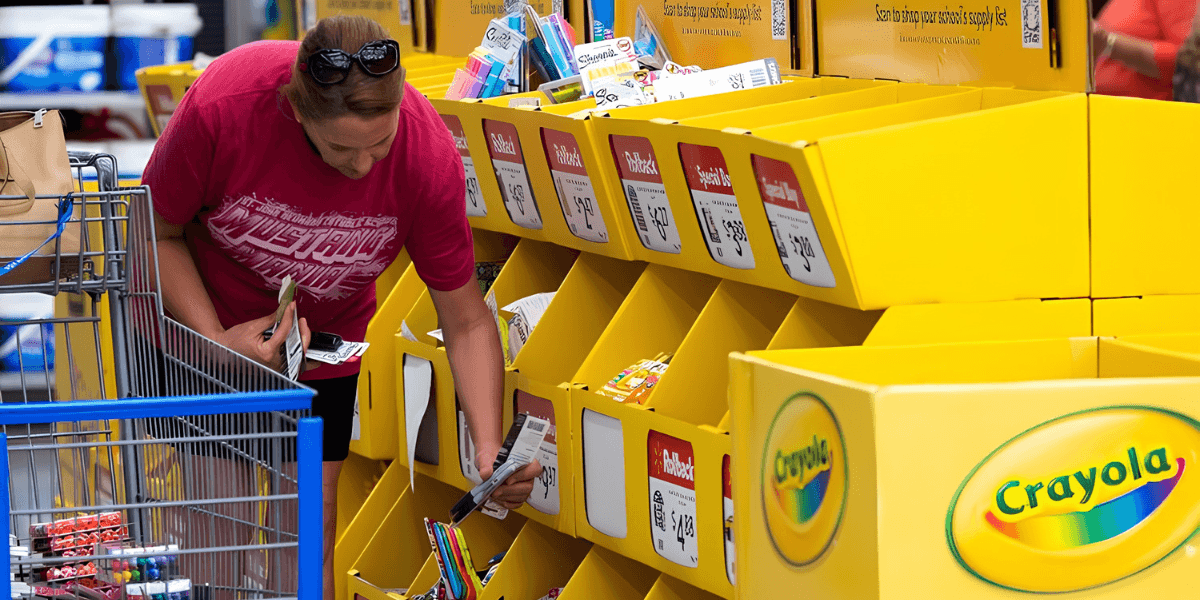
Retail and fashion coverage showed that families were increasingly shopping with a combination of price awareness and trend sensitivity, while children and teenagers continued to influence purchases through social media, digital culture and rapidly changing style preferences.
The 2026 season is taking place against a backdrop of elevated consumer costs, making the annual back-to-school ritual an important measure of household spending and shopping behavior.
Parents are shopping more strategically
Families are not necessarily abandoning back-to-school spending when prices rise.
Instead, many are becoming more selective about where money is spent.
Parents are prioritizing products that combine practical usefulness with a strong likelihood that children will actually use them.
Clothing, sneakers, backpacks and outerwear remain important categories.
Rather than buying large quantities of inexpensive items, some families are focusing spending on fewer pieces that can be used repeatedly.
Gen Alpha influences purchasing
Children and teenagers increasingly influence what families purchase.
Social-media platforms expose younger consumers to fashion trends almost immediately.
Styles can rise rapidly and disappear just as quickly.
For parents, that creates a difficult purchasing decision.
A product may be popular with children but have a short trend life.
Parents therefore have to balance a child's preferences with the practical consideration of how long the item will remain useful.
Sneakers remain important
Footwear continues to occupy an important position in back-to-school shopping.
Sneakers combine fashion and function, making them one of the purchases families may be willing to prioritize.
Popular brands and limited-edition releases can also create strong demand.
The challenge for parents is balancing those preferences with household budgets.
A pair of expensive shoes may be attractive to a child but require families to reduce spending elsewhere.
Backpacks become style statements
Backpacks have also become more than basic school equipment.
For younger consumers, they can function as fashion accessories and expressions of personal identity.
Design, color, brand recognition and personalization can all influence purchasing decisions.
That makes backpacks an example of how practical products can become part of youth culture.
Retailers extend promotions
Retailers have responded to changing consumer behavior by extending promotional periods.
Rather than concentrating discounts into a short window immediately before school begins, companies have increasingly spread promotions across several weeks.
That gives families more opportunities to compare prices.
It also creates competition between retailers seeking to capture seasonal spending.
Digital shopping changes the process
Online shopping has changed how families prepare for school.
Parents can compare prices across multiple retailers without visiting several stores.
Children can also discover products through social media before parents encounter them through traditional advertising.
That makes digital platforms an important part of the purchasing journey.
AI enters shopping decisions
Artificial intelligence is increasingly becoming part of online shopping.
Retailers can use AI to recommend products, personalize promotions and analyze consumer behavior.
Consumers can also use AI-powered tools to compare products or organize shopping lists.
The technology adds another layer to an already highly digital shopping process.
Parents still value versatility
Despite the influence of trends, practical considerations remain important.
Parents are more likely to favor clothing and accessories that can be combined with multiple outfits.
Versatile pieces can reduce the number of items a child needs.
That can be particularly important when families are attempting to control spending.
The changing meaning of value
Value is not necessarily defined only by the lowest price.
Parents may consider durability, versatility and expected use.
A more expensive item can appear more economical if it lasts longer.
Conversely, an inexpensive product may become costly if it needs to be replaced quickly.
That calculation is increasingly important during periods of higher household expenses.
Why the season matters
Back-to-school shopping provides a useful window into American consumer behavior because it combines necessity with discretionary spending.
Families need school supplies and clothing, but children also influence purchases involving fashion and technology.
The 2026 season demonstrates how those competing priorities are being balanced.
Parents are becoming more strategic while younger consumers remain highly influenced by digital culture.
The result is a shopping environment in which retailers must appeal simultaneously to household budgets and children's preferences.
For American families, the final weeks before school begins therefore represent more than a seasonal shopping tradition.
They provide a snapshot of how households are adapting to changing prices, digital influence and rapidly evolving consumer trends.

Today US Contributor
Hailey Anderson
Covers business, digital culture, and entrepreneurship, exploring how new ideas and technologies are changing industries.
This article features partner, contributor, or branded content from a third party. Members of the Today US editorial staff were not involved in the creation of this content. All views and opinions are those of the contributor alone.
You may also like

Turning Your Life Savings Into a Retirement Plan

How Phaedra Solutions Helps Businesses Build and Launch AI Products

Vision Ranking Turns Google Visibility Into Growth

Beyond the Adjustment: Dr. Don MacDonald’s Polyvagal Approach to Chiropractic Care

Peaceful Households Through Ancient Wisdom