Cherie DeVaux Makes History at the 2026 Kentucky Derby With Golden Tempo Victory
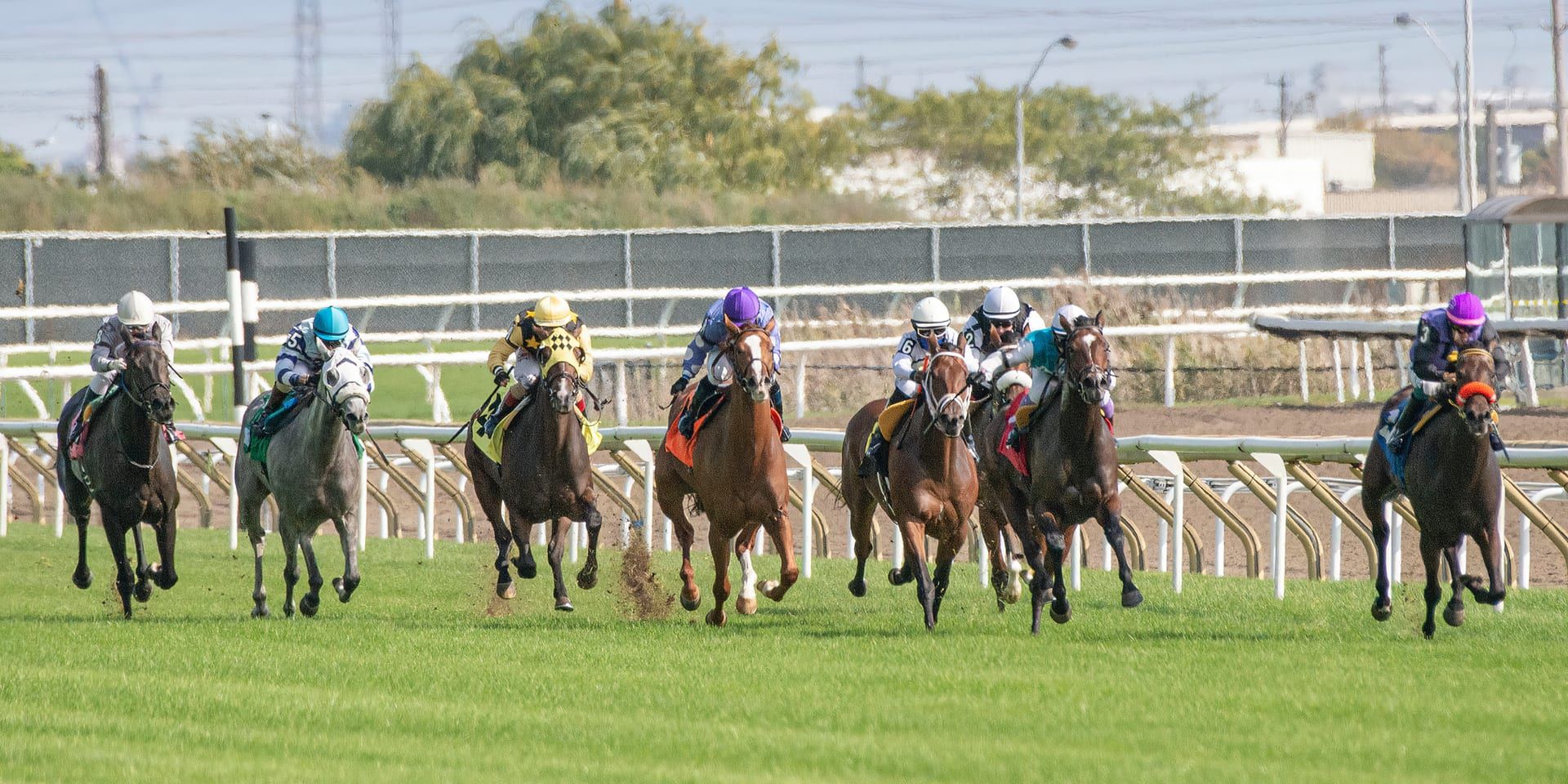
The 152nd Kentucky Derby delivered one of the most memorable moments in recent horse racing history as Golden Tempo surged to victory at Churchill Downs on May 2, 2026. The win marked a major milestone for the sport, with trainer Cherie DeVaux becoming the first woman to train a Kentucky Derby winner in the race’s long and celebrated history.
Held annually in Louisville, Kentucky, the Kentucky Derby remains one of the most watched sporting events in the United States, attracting fans from around the world. Often referred to as “The Most Exciting Two Minutes in Sports,” the Derby is the opening leg of horse racing’s Triple Crown and carries deep cultural and sporting significance in American athletics.
Golden Tempo entered the race as a 24-1 long shot, making the victory even more surprising for racing analysts and fans. The horse overcame a highly competitive field and accelerated strongly in the final stretch, securing an upset victory that quickly became the defining storyline of the event. The result immediately elevated Golden Tempo into the national spotlight and sparked widespread discussion across the horse racing community.
For DeVaux, the victory represented the culmination of years of work within an industry traditionally dominated by male trainers. Her achievement drew praise from fellow trainers, jockeys, racing officials, and sports commentators, many of whom described the moment as a landmark for gender representation in professional horse racing.
The Kentucky Derby has been held since 1875 and is considered one of the premier events in global horse racing. Despite the increasing presence of women in racing operations over the past several decades, no female trainer had previously captured the Derby title before DeVaux’s breakthrough victory in 2026. The historic nature of the accomplishment resonated beyond the racing world, generating attention from mainstream sports outlets and fans who viewed the achievement as a significant cultural milestone.
Industry observers noted that the win may inspire broader participation in horse racing and encourage more investment in diverse leadership within the sport. Women have increasingly taken on high-profile roles as jockeys, trainers, executives, and veterinarians in recent years, but the Derby’s symbolic importance makes DeVaux’s victory especially meaningful.
The race itself unfolded under favorable conditions at Churchill Downs, with strong attendance and national television coverage continuing the Derby’s tradition as one of the country’s premier annual sporting spectacles. Fashion events, celebrity appearances, and longstanding Derby traditions, including the presentation of roses to the winning horse, remained central features of the weekend celebration.
Golden Tempo’s victory also reshaped expectations for the remainder of the Triple Crown season. As the Derby champion, the horse entered the national conversation as a potential contender for additional major victories later in the year. Attention quickly turned toward the Preakness Stakes, the second leg of the Triple Crown, which is scheduled to take place at Laurel Park in 2026 due to ongoing renovations at Pimlico Race Course in Baltimore.
The temporary relocation of the Preakness adds another layer of interest to this year’s racing season. Officials have described the move as part of broader modernization efforts intended to improve long-term facilities for horse racing. Organizers indicated that traditional Preakness festivities and fan experiences would continue despite the venue adjustment.
Beyond the immediate sporting impact, the 2026 Kentucky Derby reflects the continued economic and cultural importance of major sporting events in the United States. Events like the Derby contribute significantly to tourism, hospitality, media broadcasting, and local business activity. Louisville businesses, hotels, restaurants, and entertainment venues traditionally experience a major economic boost during Derby weekend, with thousands of visitors traveling to the city for the festivities.
Sports analysts also emphasized the broader appeal of underdog stories in American sports culture. Golden Tempo’s unexpected triumph demonstrated the unpredictable nature of horse racing, where preparation, strategy, and race-day performance can overcome long odds and pre-race expectations.
The Derby’s outcome quickly became one of the standout sports stories of May 2026, joining a busy national sports calendar that includes the NBA playoffs, major golf championships, and preparations for upcoming international sporting events later in the year.
For many fans, the enduring image from this year’s Derby will be Cherie DeVaux celebrating alongside her team after making history at Churchill Downs. The victory offers a reminder of how sports continue to evolve while preserving traditions that connect generations of fans.
As the Triple Crown season moves forward, Golden Tempo and DeVaux will remain under close national attention. Whether or not the horse captures additional titles, the 2026 Kentucky Derby has already secured its place as a defining chapter in modern American horse racing history.

Today US Contributor
Wesley Trent
Covers American sport, from the league storylines to the athletes carrying them.
This article features partner, contributor, or branded content from a third party. Members of the Today US editorial staff were not involved in the creation of this content. All views and opinions are those of the contributor alone.

You may also like

Kandé Is Changing The Conversation Around Modest Fashion With A Distinctly African Vision

Michael J. Bannach: Where Does Controlled Data Go When an Engineer Uses AI?

Atlantic Health Strategies: Building Quality and Lasting Success in Behavioral Health

Evolve Leadership And Development Leads From Within

Preston Nelson Writes To Survive And Thrive