Farm-to-Table Movement Expands as Consumers Demand Local, Sustainable Dining Options
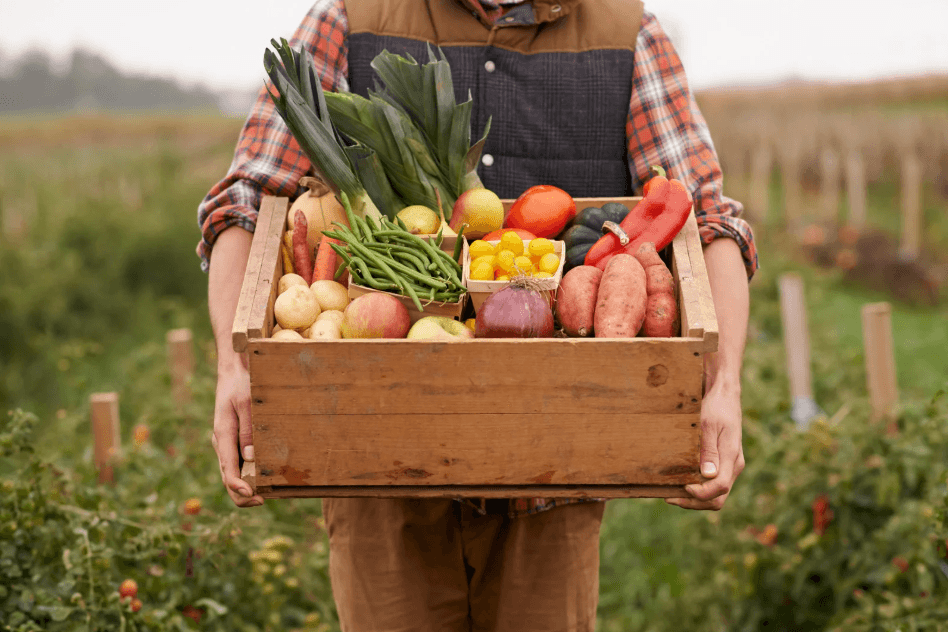
As sustainability becomes a central concern for consumers, the farm-to-table movement is gaining unprecedented momentum in 2024, with more restaurants across the U.S. embracing locally sourced ingredients. What began as a niche trend is now evolving into a mainstream dining option, reshaping how Americans approach their food choices and how restaurants source their ingredients.
Farm-to-table restaurants, which emphasize using fresh, locally grown produce and ethically raised meats, are popping up in cities and towns of all sizes. Whether it’s a small bistro in Portland or a high-end restaurant in Chicago, chefs are increasingly turning to nearby farms to create dishes that showcase seasonal ingredients while reducing their carbon footprint. The focus on local sourcing has sparked a renewed interest in regional farming and sustainable practices, creating a ripple effect across the entire food industry.
“Locally sourced food doesn’t just taste better; it’s better for the planet,” said Chef Lisa Armstrong, owner of a farm-to-table restaurant in Austin, Texas. “When we buy directly from local farms, we reduce transportation emissions, support small-scale farmers, and offer our guests food that’s fresher and more nutrient-dense.”
The shift towards locally sourced dining also reflects a broader cultural change as more consumers seek to align their food choices with environmental and ethical values. A recent survey found that nearly 70% of Americans are now more likely to choose restaurants that prioritize sustainability and responsible sourcing. This consumer demand is prompting many establishments to revise their menus, favoring seasonal ingredients and eliminating items that cannot be sourced locally.
In addition to benefiting the environment, the farm-to-table movement also supports local economies. By buying directly from farmers, restaurants are helping to stimulate local agriculture and foster stronger community connections. This trend is also empowering farmers to diversify their crops and reduce their reliance on large-scale industrial agriculture, which often contributes to soil depletion and environmental degradation.
As more cities embrace this philosophy, the movement is not limited to fine dining. Casual eateries, food trucks, and even corporate cafeterias are joining the trend, making locally sourced meals more accessible to a wider audience. This expansion highlights how the desire for healthier, more sustainable food options is reshaping the entire food service industry.
Looking ahead, the farm-to-table movement is poised to continue its growth in 2024 and beyond. As consumers demand more transparency and accountability from the food industry, the focus on local, sustainable sourcing is expected to become an integral part of the American dining experience.

This article features partner, contributor, or branded content from a third party. Members of the Today US editorial staff were not involved in the creation of this content. All views and opinions are those of the contributor alone.

You may also like

From Struggling to Breathe to Building Everwild Apothecary: Corey Gawryl’s Journey to Natural Wellness

Kandé Is Changing The Conversation Around Modest Fashion With A Distinctly African Vision

Preston Nelson Writes To Survive And Thrive

Beyond The Message: How Good Quality Human Is Redefining California Lifestyle Wear

Michael J. Bannach: Where Does Controlled Data Go When an Engineer Uses AI?