
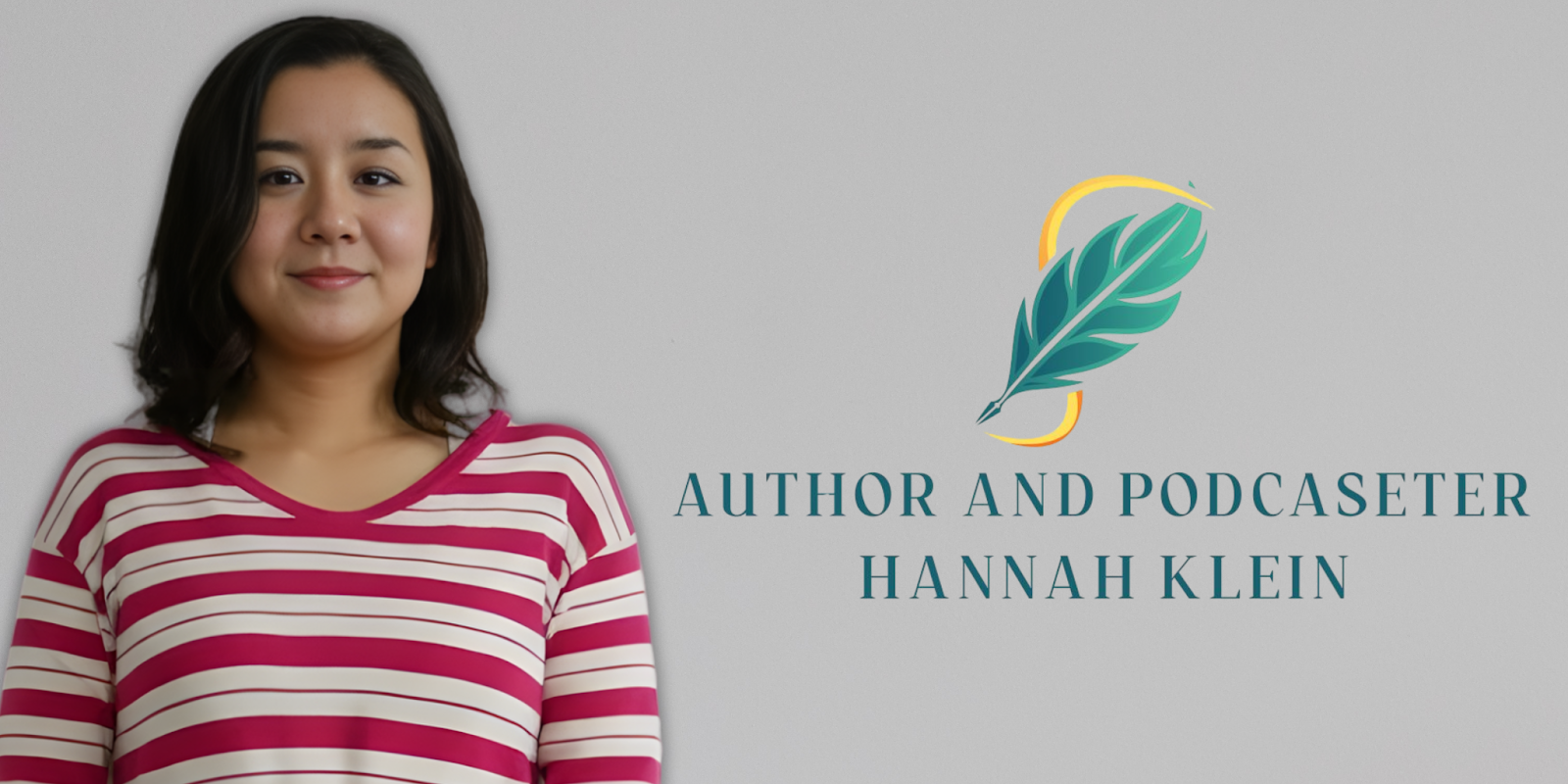
Hannah Klein’s podcast discusses accurate reporting, media responsibility, and constructive dialogue to foster understanding and respect in global affairs.
Hannah Klein’s podcast, available on her Substack, explores the critical role of the media in shaping public opinion and the necessity of accurate reporting. In a recent episode, Hannah invited Dr. Ofir Haivry, a prominent Israeli political scientist and commentator, to discuss how the media influences global narratives and the importance of truthful, responsible journalism.
Over the years, Hannah has been closely monitoring how various media outlets portray international issues, particularly their impact on public perceptions. She emphasizes the responsibility of the media in providing balanced and accurate perspectives, ensuring that information shared with the public reflects the complexity of global events. According to Hannah, the media’s portrayal of international affairs can have far-reaching consequences on diplomatic relations, public opinion, and even policy decisions. As such, journalists must prioritize facts over sensationalism, presenting events in a way that fosters understanding and avoids reinforcing harmful stereotypes.
In her discussions, Hannah advocates for constructive dialogue that respects national sovereignty, encourages collaboration, and promotes transparency. She stresses the importance of addressing international issues in a manner that builds mutual respect among nations. “Media should be a tool that brings people together, not a wedge that drives them apart,” she notes. With this philosophy in mind, Hannah highlights how respectful discourse can help bridge cultural divides and lay the groundwork for more cooperative global relationships.
The podcast episode with Dr. Haivry delves into the delicate balance the media must strike in presenting both the big picture and the intricate details of global affairs. Hannah urges journalists to avoid oversimplifications that can lead to misunderstandings, particularly when reporting on complex geopolitical matters. By understanding the nuances of international relations, media professionals can better equip their audiences to grasp the full scope of events and developments.
One of the key takeaways from the conversation is the importance of context. While headlines often grab attention, the full story is often more complex than a single narrative can convey. For example, reporting on conflicts or international disputes requires an understanding of historical context, cultural factors, and the political landscapes involved. Without these elements, stories run the risk of being misleading or creating an incomplete picture that doesn’t do justice to the realities on the ground.
Hannah also explores how the media can play a constructive role in conflict resolution by fostering dialogue rather than division. In situations of international tension, the media has the power to either inflame sentiments or promote peaceful negotiation. By focusing on solutions, presenting multiple viewpoints, and prioritizing diplomacy, the media can help guide audiences toward understanding, tolerance, and cooperation.
Her podcast episodes, available exclusively to subscribers, continue to explore these important themes, providing in-depth analysis and interviews with experts in the fields of international relations, media studies, and journalism. Hannah’s commitment to thoughtful, balanced reporting and her passion for media literacy have made her podcast a valuable resource for those interested in better understanding the complexities of global issues.
In addition to her podcast, Hannah’s work is underpinned by years of extensive research and a commitment to bringing nuanced perspectives to the forefront. She actively engages with her community of subscribers, encouraging them to participate in discussions and share their thoughts on the topics covered. Through this interactive approach, Hannah aims to cultivate a deeper understanding of global affairs and inspire her listeners to engage with the world in more informed, constructive ways.
To learn more and gain access to exclusive content, visit Hannah Klein’s Substack: https://hannahkleinstories.substack.com.
Hannah’s work is made possible through extensive research, and she appreciates the support of her subscribers and donors. You can show your support through donations at: https://officialhannahklein.com/donate-hannah-klein.
