
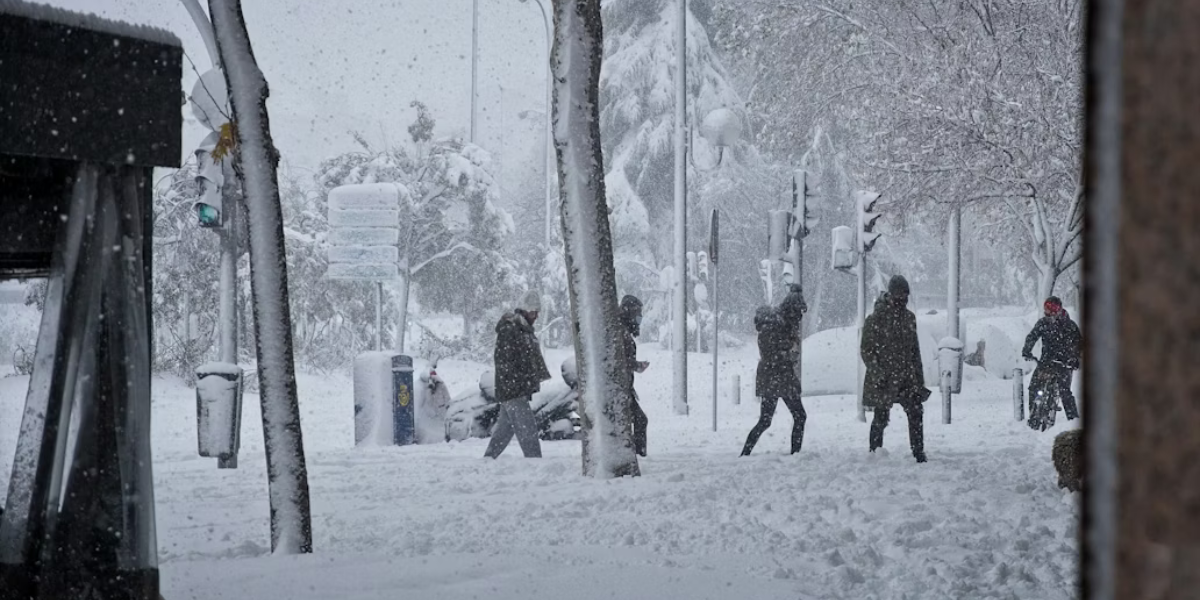
A powerful winter storm widely referred to as the Blizzard of 2026 swept across the Northeastern United States on February 24, bringing historic snowfall totals, dangerous winds, and widespread disruptions to millions of residents. The storm’s intensity, geographic reach, and impact on infrastructure made it one of the most significant winter weather events to strike the region in recent years.
The system began developing several days earlier as it tracked eastward across the country, rapidly strengthening as it reached the Atlantic coastline. By February 24, major metropolitan areas including Boston, New York City, Providence, and Hartford were experiencing heavy snowfall rates, whiteout conditions, and wind gusts exceeding 50 miles per hour in some locations. Blizzard warnings were issued across multiple states as meteorologists cautioned residents about life-threatening travel conditions.
Snowfall totals were exceptional. Some areas reported more than three feet of accumulation, with parts of Rhode Island and eastern Massachusetts among the hardest hit. Airports recorded near-record snowfall measurements, and drifts in certain communities reached several feet high due to sustained winds. The combination of heavy snow and strong gusts reduced visibility to near zero at times, creating extremely hazardous conditions for drivers and pedestrians.
Transportation systems were among the most heavily impacted. Thousands of flights were canceled at major airports across the Northeast, including hubs serving New York City and Boston. Travelers faced widespread delays as airlines worked to rebook passengers and clear aircraft from snow-covered runways. Rail services in several corridors were temporarily suspended or operated on limited schedules, while local transit systems struggled to maintain service amid accumulating snow and icy tracks.
Road travel was equally challenging. State and local officials in multiple jurisdictions implemented travel advisories and, in some cases, temporary bans on non-essential driving. Snowplow crews worked continuously to clear primary highways, but secondary roads and residential streets remained difficult to navigate well into the day. Commuters faced extended delays, and numerous minor traffic accidents were reported as slick conditions persisted.
The storm also disrupted daily routines across the region. Many school districts announced closures in advance of the heaviest snowfall, while businesses either shifted to remote operations or temporarily shut down. Government offices in several states operated with reduced staffing as employees were urged to avoid unnecessary travel. In densely populated urban areas, snow accumulation complicated pedestrian movement, with sidewalks and public spaces requiring extensive clearing.
Power outages added to the storm’s impact. Heavy, wind-driven snow weighed down power lines and tree branches, resulting in hundreds of thousands of customers losing electricity at various points during the event. Utility companies mobilized repair crews in advance, but restoration efforts were slowed by difficult road access and ongoing snowfall. Warming centers were opened in some communities to assist residents without heat, particularly vulnerable populations such as seniors and individuals with medical needs.
Emergency management agencies coordinated closely with state and local governments to ensure public safety. States of emergency were declared in several areas, enabling the rapid deployment of resources and support personnel. Officials emphasized the importance of preparedness, urging residents to keep emergency supplies on hand, limit travel, and monitor official weather updates. Hospitals and first responders remained operational, though response times were occasionally extended due to road conditions.
Despite the challenges, community response highlighted resilience and cooperation. Neighbors assisted one another with snow removal, shared supplies, and checked in on elderly residents. Local public works departments utilized snow-melting equipment and designated snow disposal sites to manage the unusually large volumes of accumulation. Cleanup operations were expected to continue for several days following the storm’s peak.
Meteorologists noted that while winter storms are common in the Northeast, the combination of heavy snowfall rates, strong winds, and the storm’s timing in a densely populated corridor amplified its impact. The event underscored the importance of infrastructure preparedness, reliable forecasting, and coordinated emergency planning in mitigating the effects of extreme weather.
As recovery efforts moved forward on February 24, officials advised residents to remain cautious, particularly as temperatures fluctuated and refreezing created icy surfaces. The Blizzard of 2026 will likely be remembered not only for its record-setting snowfall but also for the lessons it reinforced about readiness, public safety, and the critical role of coordinated response during major weather emergencies.
