Intuitive Machines’ Athena Lander Encounters Critical Post Landing Issue on the Moon
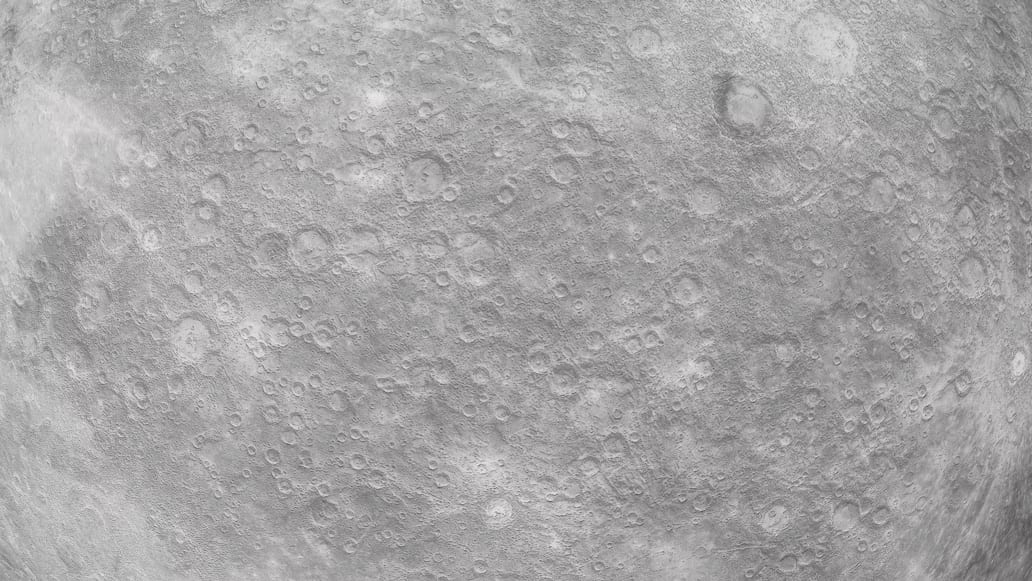
Intuitive Machines’ highly anticipated Athena lander successfully touched down on the Moon on February 28, 2024, marking a significant achievement in lunar exploration. However, shortly after landing, an unexpected anomaly has left the lander in an incorrect orientation, raising concerns about its ability to fulfill its mission objectives.
Mission Overview: Aiming for Lunar South Pole Discovery
The Athena mission was designed to explore the Moon’s south pole, a region of immense scientific interest due to the potential presence of water ice in permanently shadowed craters. The lander, equipped with advanced scientific instruments, including NASA’s Trident drill, was tasked with analyzing the lunar surface and subsurface to gather data that could inform future missions, particularly those aimed at establishing a sustainable human presence on the Moon.
Post-Landing Anomaly: Lander’s Misorientation
Despite a successful descent, mission controllers were soon confronted with a troubling issue: the Athena lander was not positioned as expected. Early telemetry indicated that the spacecraft had landed at an angle, possibly on its side, due to uneven lunar terrain or a malfunction during the landing sequence. This misorientation has hampered several crucial operations needed for the mission to proceed as planned.
Challenges to Mission Success
The post-landing anomaly poses several key risks to the mission’s success:
- Power Generation: The lander’s misalignment may prevent its solar panels from capturing enough sunlight to generate power, potentially leading to power shortages that could compromise its systems.
- Communication: With the antennas misoriented, the lander could experience disruptions in data transmission, hindering communication with mission control.
- Scientific Operations: The positioning of sensitive instruments like the Trident drill is critical to their operation. With the lander off-balance, these tools may become inoperable, preventing the analysis of the lunar surface and subsurface.
Response and Contingency Plans
Engineers at Intuitive Machines are actively analyzing the situation, reviewing telemetry data to pinpoint the cause of the anomaly and evaluating potential recovery options. Possible solutions include remotely reorienting the lander or adjusting the mission’s parameters to work with its current position. The team remains hopeful that corrective measures can be implemented to salvage the mission’s primary objectives.
Broader Implications for Lunar Exploration
This incident underscores the inherent challenges of lunar exploration, particularly when operating in the complex and unpredictable environment of the Moon’s south pole. While the mission’s planning was thorough, this unforeseen complication highlights the necessity for flexible and robust contingency strategies in future missions.
Conclusion: Learning from Setbacks
The Athena lander’s misalignment presents significant hurdles but also provides valuable lessons for future space exploration efforts. As engineers continue to work toward resolving the issue, the outcomes of this mission will inform and shape the future of lunar exploration, ensuring that upcoming missions are better equipped to handle the challenges of this rugged and uncharted terrain.

Today US Contributor
Hailey Anderson
Covers business, digital culture, and entrepreneurship, exploring how new ideas and technologies are changing industries.
This article features partner, contributor, or branded content from a third party. Members of the Today US editorial staff were not involved in the creation of this content. All views and opinions are those of the contributor alone.

You may also like

Michael J. Bannach: Where Does Controlled Data Go When an Engineer Uses AI?

NASA Tests Advanced Heat Shield Technology for Future Moon and Mars Missions

How Phaedra Solutions Helps Businesses Build and Launch AI Products

Vision Ranking Turns Google Visibility Into Growth

From Struggling to Breathe to Building Everwild Apothecary: Corey Gawryl’s Journey to Natural Wellness