
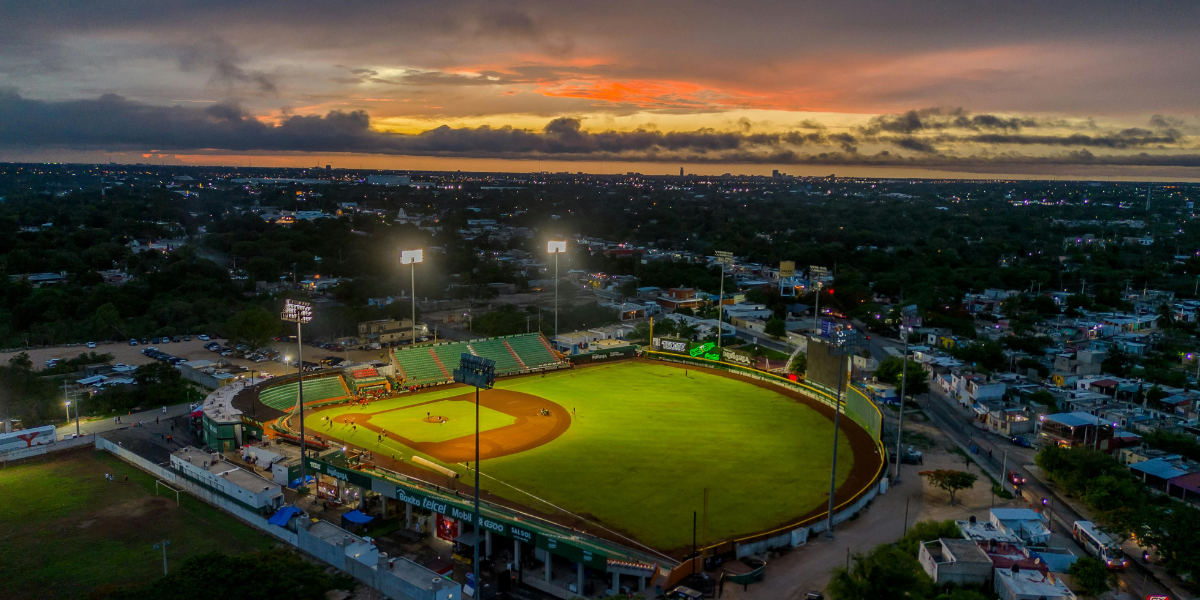
Major League Baseball (MLB) officially launched its 2026 Spring Training schedule today, as teams took the field across Florida and Arizona for the first slate of Cactus League and Grapefruit League games. The annual start of exhibition play signals the beginning of a new baseball season and draws thousands of fans to spring facilities while offering an early look at team rosters, emerging prospects, and offseason acquisitions.
Spring Training games began this afternoon at several complexes in the Phoenix metropolitan area and throughout Florida’s Gulf Coast and central regions. Exhibition matchups will continue daily through late March, culminating in Opening Day for the regular season in early April.
A Crucial Evaluation Period for Teams
While Spring Training records do not count toward the regular season standings, the games carry significant importance for front offices, coaching staffs, and players. Managers use the exhibition period to evaluate roster depth, test lineup combinations, and assess the readiness of both veterans and prospects.
Pitchers typically use early outings to build arm strength and refine mechanics after the offseason. Position players focus on timing at the plate, defensive coordination, and conditioning. For younger players and non-roster invitees, Spring Training represents a critical opportunity to earn a place on the 26-man Opening Day roster or secure a call-up position in the minors.
Several top-ranked prospects across the league are expected to see substantial playing time this spring, reflecting a broader trend of teams integrating younger talent earlier in the season. Player development strategies, workload management, and bullpen depth remain central themes heading into 2026.
Economic Impact on Host Communities
Spring Training plays a major economic role in host states. In Arizona, the Cactus League, comprising 15 teams based in the Phoenix area, generates significant annual revenue through tourism, hospitality, and local business activity. Hotels, restaurants, retail shops, and transportation services see a measurable uptick in activity during the five-week training period.
Florida’s Grapefruit League, which hosts another 15 MLB clubs, similarly draws domestic and international visitors. Regional tourism officials note that Spring Training visitors often extend their stays, combining baseball games with broader vacation plans. The consistent influx of fans provides an important seasonal boost for local economies before peak summer travel begins.
In recent years, both states have invested in upgraded training complexes featuring modern clubhouses, enhanced fan amenities, and improved seating experiences. These facility improvements strengthen long-term partnerships between municipalities and MLB organizations while elevating the overall spectator experience.
Offseason Storylines Carry Into Camp
This year’s Spring Training opens amid several compelling offseason developments. Teams that made notable roster additions during the winter are closely watched as new players integrate into clubhouses and adapt to coaching systems. Pitching rotations, in particular, are under scrutiny as clubs balance durability concerns with competitive expectations.
League officials have reiterated their focus on maintaining pace-of-play standards introduced in recent seasons. While no sweeping rule changes headline 2026, consistency in enforcement remains a priority. Teams are also continuing to evaluate defensive versatility and strategic flexibility, trends that have shaped roster construction in recent years.
Broadcast coverage of Spring Training has expanded, with increased streaming availability through regional sports networks and digital platforms. The growth in preseason viewership highlights sustained fan engagement even before the regular season begins.
Fan Experience and Accessibility
Spring Training remains one of the most accessible experiences for baseball fans. Smaller stadiums provide closer seating, increased autograph opportunities, and a more relaxed environment compared to regular-season venues. Many families view the preseason as an affordable and intimate way to connect with the sport.
Ticket prices for exhibition games are generally lower than regular-season contests, making attendance more attainable for a wider audience. The combination of warm-weather destinations and daytime games also adds to the appeal for traveling fans seeking a seasonal getaway.
Looking Ahead to the 2026 Season
Although exhibition statistics rarely predict regular-season outcomes, early performances can influence roster decisions and build momentum. Teams aiming to rebound from disappointing 2025 campaigns are focused on establishing chemistry and consistency, while playoff contenders seek to maintain continuity.
Analysts caution against overinterpreting small sample sizes in February and March, as players often prioritize adjustments over results. Nevertheless, Spring Training sets the tone for the months ahead and provides the first glimpse of how offseason strategies translate onto the field.
As players return to the diamond under sunny skies in Florida and Arizona, February 26, 2026 marks the unofficial start of another MLB journey. For teams, fans, and host communities alike, Spring Training represents preparation, opportunity, and the enduring anticipation that defines the start of baseball season in the United States.
