
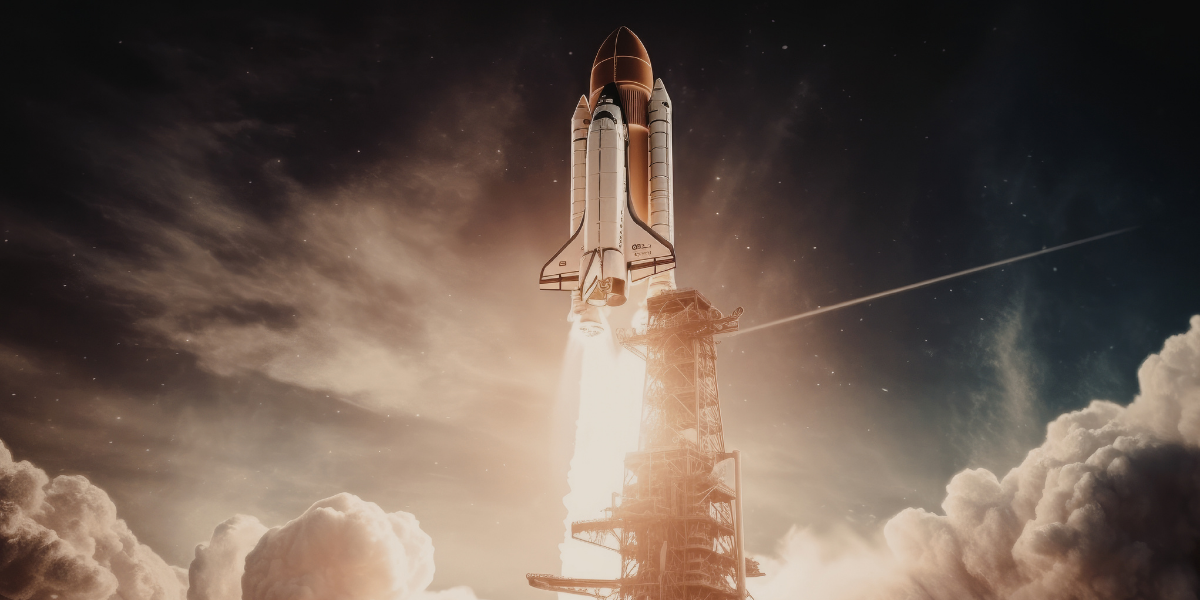
On Friday, February 20, 2026, NASA announced a major milestone in the United States’ ambitious return to human lunar exploration: a successful rocket fueling test that clears a crucial hurdle for the Artemis II mission, now targeted for liftoff in early March 2026. This achievement brings NASA closer to its first crewed mission around the Moon in more than half a century, marking one of the most significant developments in space exploration this year.
What Happened on February 20, 2026
NASA’s Space Launch System (SLS), the core of the Artemis II campaign, recently completed its second full-duration fueling test at the agency’s Kennedy Space Center in Cape Canaveral, Florida. This rehearsal followed an earlier attempt that was disrupted by hydrogen leaks in the rocket’s fueling system. By replacing two critical seals and making targeted technical adjustments, engineers were able to conduct a near-flawless countdown rehearsal.
Officials described the test as a “big step toward America’s return to the lunar environment,” with minimal hydrogen leakage detected this time around. This outcome boosts confidence that the SLS rocket and associated ground systems are ready for flight operations.
This test sets the stage for Artemis II, which will carry a crew of four astronauts, three Americans and one Canadian, on a 10-day mission that will fly around the Moon and return to Earth. Although Artemis II will not include a lunar landing, it will be the first time humans have traveled so far from Earth since the Apollo 17 mission in 1972.
Why This Test Matters
Fueling tests are essential dress rehearsals for launch day. They simulate the countdown and propellant loading procedures under controlled conditions, allowing engineers to identify and resolve issues before committing to a live launch with astronauts aboard. The success of this second test suggests that NASA has effectively addressed prior technical concerns, particularly those involving the rocket’s cryogenic systems.
This test sets the stage for Artemis II, which will carry a crew of four astronauts, three Americans and one Canadian, on a 10-day mission that will fly around the Moon and return to Earth. Although Artemis II will not include a lunar landing, it will be the first time humans have traveled so far from Earth since the Apollo 17 mission in 1972.
New Launch Target: March 6, 2026
Following the successful test, NASA is now aiming for a potential launch date of March 6, 2026. Officials emphasized that this date depends on the outcome of final reviews and final preparations. The launch window for Artemis II spans several days, and if NASA misses the early March opportunity, the next viable launch period is not expected until late April 2026.
In anticipation of the upcoming mission, astronauts assigned to Artemis II have been placed into a quarantine period to ensure peak health and mission readiness. Such precautions are standard practice for crewed spaceflights and are intended to minimize the risk of illness affecting mission performance.
The Broader Artemis Program Context
Artemis II is the second mission in NASA’s Artemis program, which aims to establish a sustainable human presence on and around the Moon. The program’s long-term goals include preparing for human missions to Mars and advancing scientific knowledge about the lunar environment.
A key component of the broader strategy is Artemis III, a later mission that intends to land astronauts, including the first woman and the first person of color, on the lunar surface, specifically near the Moon’s south pole. However, final decisions about the lunar lander provider for Artemis III are still pending, with competition between major aerospace companies ongoing.
NASA Administrator Lori Glaze highlighted the significance of the recent SLS test, stating that it reflects “major progress” and pushes the nation closer to achieving its lunar exploration ambitions. Agency leaders described the momentum around Artemis II as building “real excitement,” while also acknowledging the hard work ahead in final launch preparations and safety evaluations.
Significance for Science and Technology
The Artemis II mission carries both symbolic and practical importance. Symbolically, it represents the United States’ return to deep space human exploration after more than 50 years, underscoring advancements in propulsion, life support, and spaceflight operations since the Apollo era. Practically, the mission will test critical spacecraft systems in deep space, including navigation, communication, and life-support functions, under real mission conditions. These tests are crucial for ensuring the safety and success of future crewed lunar landings and longer-duration missions.
Scientific instruments aboard Artemis II are also expected to gather data that could inform lunar science, radiation risk assessments, and deep-space rendezvous techniques. This information will help refine designs and protocols for future missions, particularly those involving prolonged stays on the lunar surface or in lunar orbit.
Public and Global Interest
Space exploration has long captivated the public imagination, and the Artemis program has sparked renewed enthusiasm both domestically and internationally. Artemis II will include an astronaut from the Canadian Space Agency (CSA), reflecting NASA’s continued collaboration with international partners on deep-space missions. This multinational aspect highlights the shared interest in expanding human presence beyond Earth’s orbit.
Key Takeaways
- NASA completed a critical second SLS fueling test on February 20, 2026, successfully addressing earlier technical challenges.
- The Artemis II mission is now targeted for launch on March 6, 2026, with a crew of four astronauts.
- If successful, Artemis II will be the first crewed lunar flyby in over 50 years, advancing America’s lunar exploration goals.
- The mission helps pave the way for Artemis III and future sustainable lunar operations, including planned lunar landings.
- Artemis II’s technical and scientific achievements will inform future deep-space missions and enhance international space cooperation.
As NASA moves closer to this historic launch, the world watches with anticipation, recognizing Artemis II as a defining moment in the next chapter of human space exploration.
