
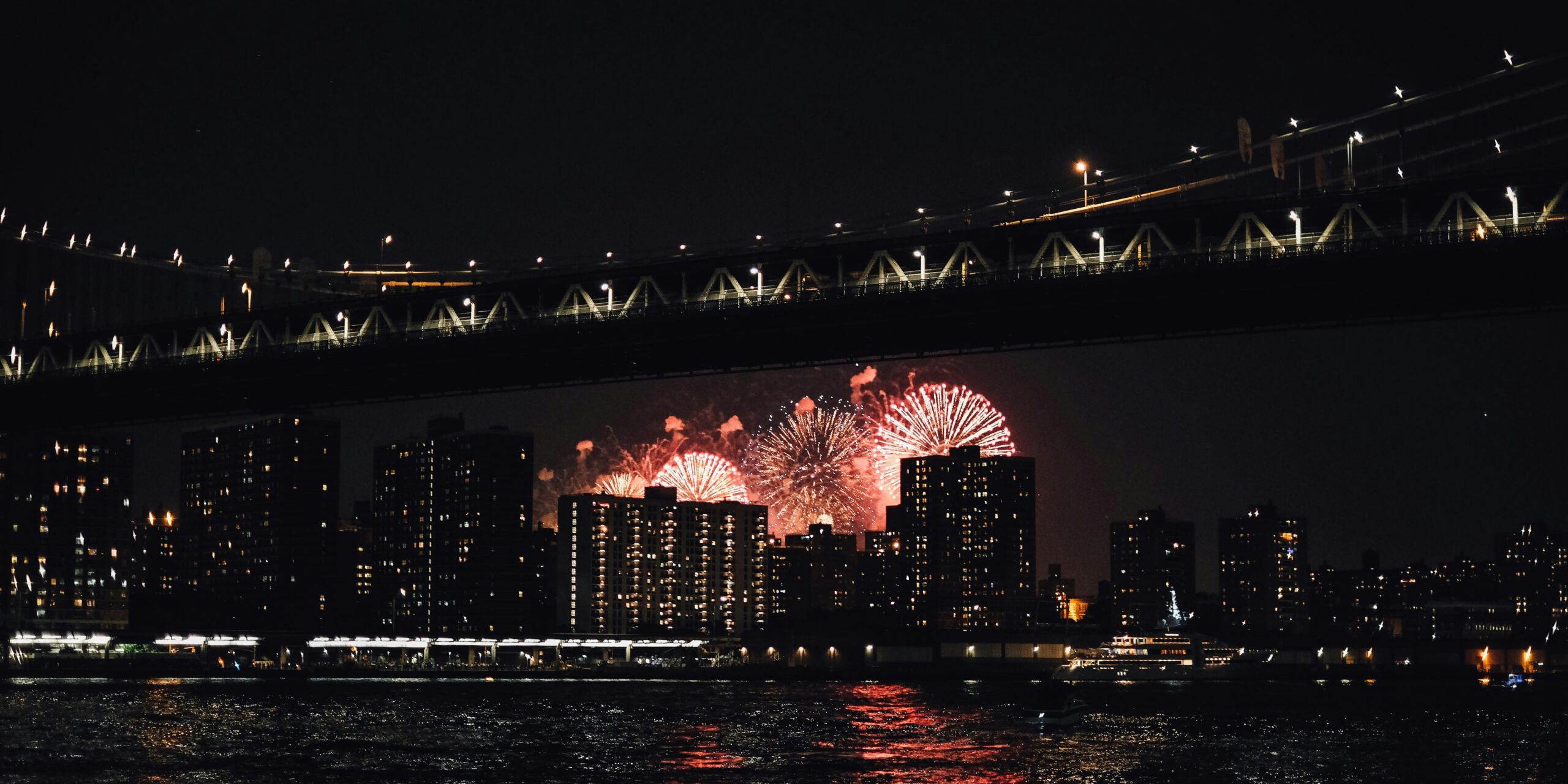
As 2026 began, Americans from coast to coast came together to celebrate the arrival of the new year with a mix of time-honored traditions, festive gatherings, and cultural expressions. Whether in the heart of major cities or in quiet suburban neighborhoods, the start of the new year was marked by events that reflected both personal reflection and community spirit. In iconic locales such as New York City and in the many towns and cities that make up the rich tapestry of the United States, January 1 was not just a day to mark the passing of time, but a chance to look ahead with hope and optimism for the year to come.
In New York City, the Times Square ball drop remained one of the most recognized New Year’s Eve traditions worldwide. Thousands braved the chilly weather to witness the iconic moment when the crystal ball descended, signaling the transition into the new year. While the event in Times Square is known for drawing massive crowds and offering spectacular performances, the 2026 celebration carried even more significance. The arrival of the new year also kicked off the United States’ 250th anniversary, an event that promises to highlight and celebrate the nation’s founding and its cultural evolution throughout the year. For this special occasion, the ball was illuminated in patriotic red, white, and blue, and confetti displays showered the crowd, adding to the sense of celebration and national pride. This symbolic moment served as both a reflection on America’s past and an invitation for citizens to come together and share in a year-long exploration of the country’s rich history.
While Times Square’s grandeur attracted global attention, the spirit of celebration was felt in communities of all sizes across the country. In cities large and small, people gathered in parks, town squares, and local event spaces to celebrate the first day of the year. For many, New Year’s Day is a chance to embrace wellness and set new personal goals, and the abundance of outdoor activities available provided a perfect opportunity to do just that. Across the country, families participated in guided hikes, nature walks, and fitness sessions that encouraged healthy living and fostered a deeper connection to nature. In Southeast Texas, for example, families gathered at Village Creek State Park to take part in First Day Hikes, a nationwide initiative that invites individuals to explore local natural spaces while also promoting the importance of physical activity and community involvement. These events offered a meaningful way for people to start the year by focusing on both physical well-being and the environment.
New Year’s Day was also a time for many to engage in traditions of reflection and resolution-making. This age-old practice, rooted deeply in American culture, serves as an opportunity to assess the past year and look ahead with renewed determination. For some, this might mean setting personal goals related to health, career, or family. For others, it might be a time for quiet contemplation about their values and aspirations for the year to come. Whether in solitude or surrounded by loved ones, this ritual of self-assessment is part of what makes the new year so significant. It is a time to reset and refocus, and for many, the shared experience of doing so with others fosters a collective sense of renewal.
Alongside personal reflection, New Year’s Day also brought an array of cultural events that reinforced the festive spirit of the holiday. Music performances, local parades, and family-oriented gatherings filled the air with joy and laughter. Across the country, towns and cities hosted events that celebrated regional traditions, showcased local talent, and encouraged participation from residents of all ages. From art fairs to musical performances to children’s activities, these events highlighted the creativity and diversity of American communities. They not only brought people together but also celebrated the cultural identity of each region. Local organizers expressed excitement over the return of large-scale, in-person events after years of scaled-back or virtual gatherings due to the pandemic. This resurgence of public celebrations was seen as an important step in revitalizing the sense of community and connection that many had missed during more isolated times.
New Year’s Day also marked the resurgence of long-standing local traditions that had been put on hold during the pandemic. First Night celebrations, which are often artistic and cultural festivals featuring music, dance, theater, and art installations, took place in cities and towns across the country. These events, which encourage creativity and inclusivity, provided a platform for local artists and performers to showcase their talents while allowing residents to engage with art in a festive setting. First Night celebrations serve as a reminder of the importance of the arts in fostering community cohesion and providing opportunities for creative expression.
Television broadcasts like Dick Clark’s New Year’s Rockin’ Eve allowed millions of Americans to participate in the celebration from home. Featuring live performances from popular artists and performances from major cities across the country, these broadcasts offered a shared cultural moment that united viewers, even if they were celebrating from different locations. The televised special has long been a cornerstone of American New Year celebrations, and its continued popularity underscores the importance of shared media experiences in an increasingly digital and interconnected world.
For many, the first day of the new year also served as an opportunity for collective reflection. Across the country, individuals and families paused to appreciate the moments of the past year, celebrate achievements, and express gratitude for the people in their lives. From fitness runs and community yoga sessions to local concerts and evening gatherings, January 1 offered a chance for individuals to reconnect with one another and take stock of their lives.
As 2026 unfolds, the celebrations and events of New Year’s Day stand as a testament to the resilience of American communities. Despite the challenges of the previous years, communities have found ways to come together, celebrate, and honor their shared values. Whether through grand events like the Times Square ball drop or through local gatherings in small towns and neighborhoods, New Year’s Day provided a moment to celebrate both the present and the promise of the future. As the nation celebrates its 250th anniversary, January 1, 2026, was not just the beginning of a new year but the beginning of a year-long journey of remembrance, celebration, and connection. The collective spirit and enduring traditions that marked the first day of 2026 will continue to resonate throughout the year, bringing people together in celebration of America’s rich history and diverse cultural heritage.
