
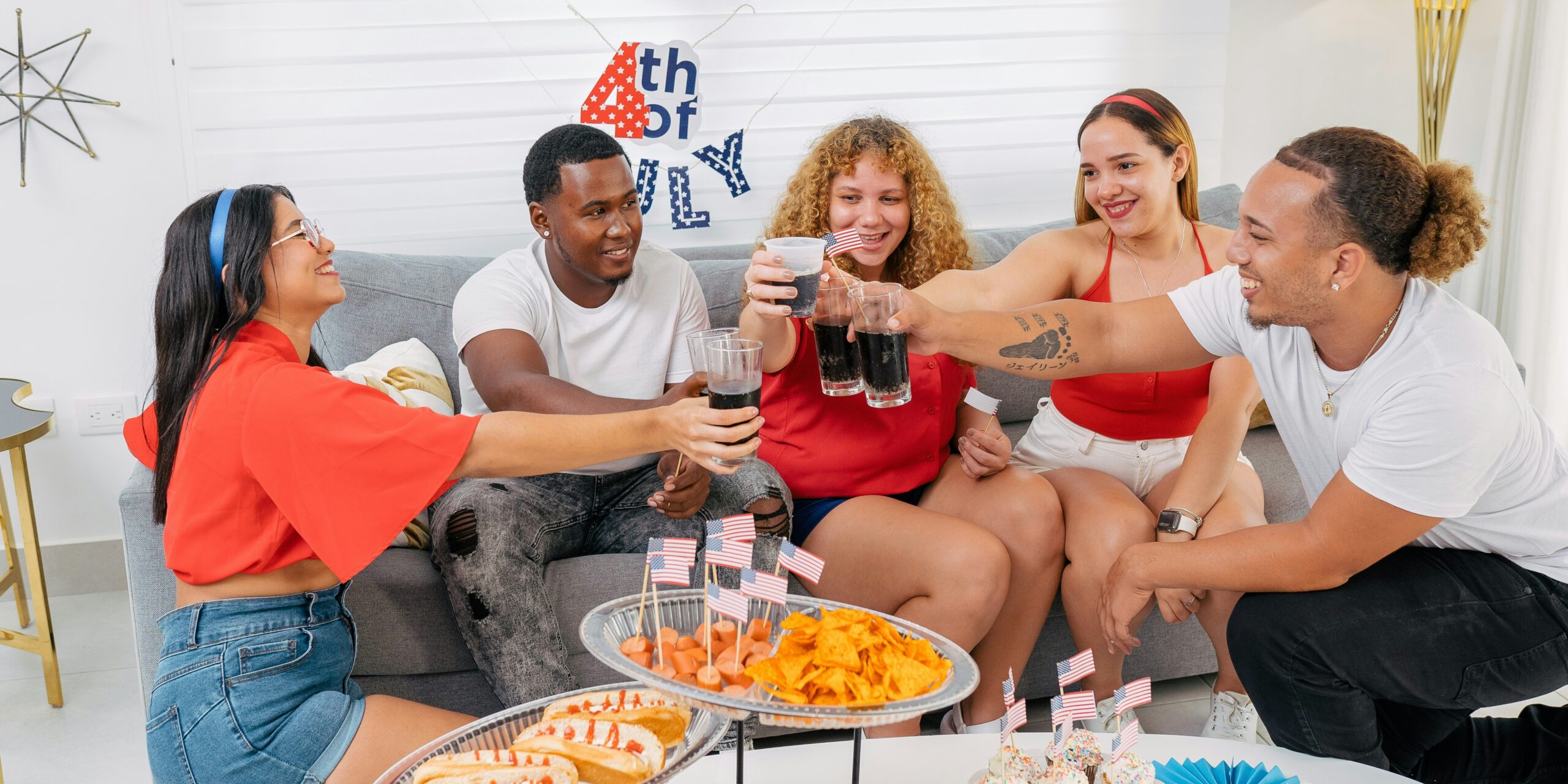
Across the United States, non‑alcoholic beverages are seeing a surge in popularity this month as consumers embrace health and wellness trends associated with “Dry January.” Bars, breweries and restaurants from major cities to smaller towns report increasing interest in alcohol‑free beers, mocktails and sober social events, a pattern that reflects a broader shift in attitudes toward moderation and mindful consumption.
In recent years, Dry January — a month‑long challenge in which participants abstain from alcohol after the holiday season — has grown from a niche wellness experiment into a widely recognized cultural movement. What began as a modest trend among health‑minded individuals has expanded into mainstream social behavior, with many Americans viewing the month as an opportunity to reset habits, improve sleep patterns, boost physical health and reassess their relationship with alcohol. Retailers and hospitality venues have taken note, and this year’s patterns suggest that demand for non‑alcoholic offerings may be outpacing previous years.
Bartenders and brewery owners in states like Montana, Colorado, Oregon and North Carolina say that January has brought higher foot traffic and stronger sales for non‑alcoholic menus, particularly on weeknights and during early evening hours. Establishments that once offered only a handful of alcohol‑free options are now rolling out extensive mocktail lists and alcohol‑free beer selections, often crafted with the same attention to flavor and presentation as traditional drinks. In some cities, sober social events — from trivia nights to brewery tours focused on non‑alcoholic choices — have attracted crowds eager to socialize without alcohol.
Owners of non‑alcoholic beverage producers report similar enthusiasm. Companies that specialize in alcohol‑free beers, spirits alternatives, adaptogen‑infused mocktails and botanical tonics have seen orders increase not just in January but year‑round, as distribution expands beyond seasonal retail stacks into mainstream grocery aisles, online markets and draft lines at bars. Industry analysts say this reflects a broader consumer shift in which people are more deliberate about when, how and why they consume alcohol, and increasingly seek high‑quality alternatives that fit wellness lifestyles without sacrificing taste or social experience.
Health advocates say the trend aligns with growing public interest in moderation and balanced living. Studies have shown that reducing alcohol intake, even temporarily, can lead to measurable benefits such as improved liver function, better sleep, weight loss, and enhanced mental clarity. Public health experts note that Dry January provides an accessible way for people to experiment with sobriety, build healthy habits and engage in community support systems that make non‑alcoholic socializing feel normal rather than isolating.
“This isn’t simply about giving up alcohol for a month,” said one wellness consultant in New York City. “It’s part of a larger conversation about mindful consumption and recognizing that people want options that reflect their goals without feeling like they’re missing out socially.” Some participants describe newfound appreciation for flavors, aromas and social rituals that don’t center on alcohol, noting that sober experiences can be just as enjoyable and memorable.
While precise data on the economic impact of Dry January and non‑alcoholic beverage growth are still emerging, industry observers point to expanding product lines and broader distribution agreements as signs that demand may persist beyond the typical seasonal peak. Major beverage companies have invested in alcohol‑free brands, and some traditional breweries have launched non‑alcoholic versions of popular beers to capture health‑oriented consumers. The trend is fostering innovation, with beverage makers experimenting with techniques such as vacuum distillation, reverse osmosis and botanical infusions to create nuanced, complex non‑alcoholic drinks.
Consumers themselves describe personal motivations that go beyond health headlines. For some, participating in Dry January provides a structured break after holiday indulgence and a chance to reflect on long‑term habits. For others, the social aspect — enjoying outings with friends without the pressure to drink — has become a meaningful lifestyle choice rather than a temporary experiment. Couples, fitness enthusiasts, parents and professionals alike cite improved productivity and overall well‑being as reasons to explore non‑alcoholic alternatives.
The growing popularity of non‑alcoholic beverages also underscores a generational shift in drinking culture. Younger adults, particularly Gen Z and Millennials, increasingly prioritize experiences and health outcomes over traditional alcohol consumption. This has encouraged bars and restaurants to rethink drink menus and invest in training staff to craft appealing mocktails, alcohol‑free beers and zero‑proof spirits that stand on their own merits.
Despite the enthusiasm, some industry veterans caution that the category still represents a fraction of the overall beverage market and that sustained growth will depend on continued innovation and consumer education. Non‑alcoholic beverages will need to maintain high quality and broad appeal if they are to become a staple choice beyond designated challenge months like Dry January.
Nonetheless, the current uptick signals a significant cultural moment. What began as a simple abstention initiative is increasingly intertwined with broader lifestyle trends that emphasize balance, health and inclusive socialization. Whether consumers continue to embrace non‑alcoholic options throughout the year remains to be seen, but for now, Dry January’s influence is clear: it has helped elevate alcohol‑free beverages from niche curiosities to mainstream contenders in America’s evolving beverage landscape.
