
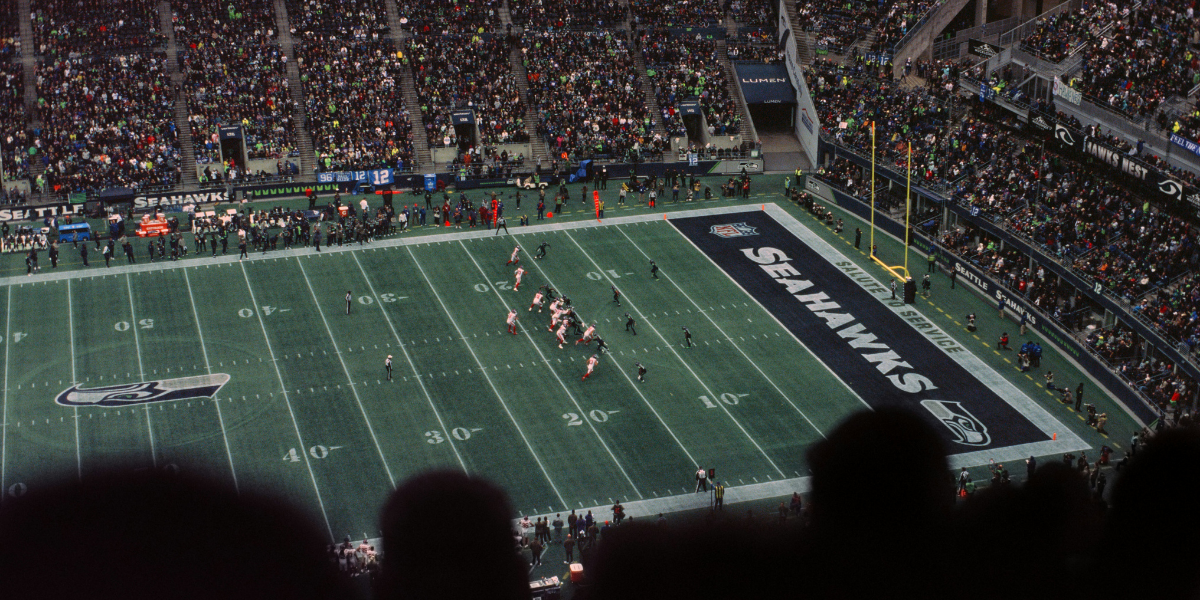
On February 8, 2026, one of the most widely watched and culturally significant sporting events in the United States took place: Super Bowl LX, the championship game of the National Football League (NFL). Held at Levi’s Stadium in Santa Clara, California, the matchup pitted the Seattle Seahawks against the New England Patriots, two franchises with rich histories and passionate fanbases. The Seahawks emerged victorious with a 29–13 win, earning their second Super Bowl title and delivering a memorable performance that captivated sports fans nationwide.
A Defensive Showcase and Historic Victory
From the opening kickoff at approximately 6:30 p.m. Eastern Time, the game was defined by stout defense and calculated offensive execution. Seattle’s defensive unit, often referred to during the season as the “Dark Side,” consistently pressured the Patriots’ offense, sacking New England’s rookie quarterback Drake Maye multiple times and forcing key turnovers that shifted momentum. Seahawks defensive standouts such as Devon Witherspoon, Derick Hall, and Uchenna Nwosu played pivotal roles in controlling the line of scrimmage and limiting scoring opportunities.
Seattle’s offense, while not explosive, capitalized on field position and defensive stops to build its lead. Running back Kenneth Walker III was instrumental in the ground game, rushing for significant yardage and ultimately earning Super Bowl MVP honors, a rare achievement for a back in such a defensive battle. Seahawks kicker Jason Myers also delivered a standout performance, setting a Super Bowl record with five successful field goals, contributing crucial points throughout the contest.
The Patriots, led by coach Mike Vrabel, rallied late in the fourth quarter with a pair of touchdowns, but their comeback attempt fell short as Seattle’s defense continued to stifle offensive rhythm. Despite the loss, New England’s season, culminating in an appearance on football’s grandest stage, marked a resurgence for the franchise under the leadership of its young quarterback.
Cultural Impact and Halftime Entertainment
Beyond the athletic competition, Super Bowl LX was a showcase of American culture and entertainment, drawing attention well beyond football fans. The Apple Music Super Bowl Halftime Show featured Puerto Rican superstar Bad Bunny, marking a significant cultural milestone as he headlined the halftime performance alongside special guests Lady Gaga and Ricky Martin. The show blended music, dance, and visuals in a celebration of diversity and artistic expression, beamed to millions of viewers across broadcast and streaming platforms.
The game also featured pre-game and halftime presentations that highlighted music and national pride, including performances of the national anthem and other ceremonial elements that are traditional to the Super Bowl experience in the United States. These aspects reinforced the Super Bowl’s status as more than just a sporting event, it is a cultural phenomenon that brings together fans of sports, music, and live entertainment.
Significance and Broader Context
Super Bowl LX was not only a football championship but also a moment of national attention on a day that many in the United States informally recognize as Super Bowl Sunday, a fixture of American culture with traditions of gatherings, food, and communal celebration. The event’s reach extends far beyond the stadium; with millions tuning in on NBC and via streaming, the game continues to serve as one of the top-rated television broadcasts annually.
The Seahawks’ victory underscored the importance of balanced team performance on football’s biggest stage, where defense, special teams, and timely offensive contributions can outweigh individual star power. For Seattle fans, the win marked a moment of pride and celebration, echoing the franchise’s previous Super Bowl triumphs while solidifying the current roster’s place in team history.
For the Patriots, the loss signaled the end of a successful season and continued the franchise’s legacy of frequent appearances in championship games, even as it looks ahead to future opportunities under developing leadership.
Key Takeaways
- Seattle Seahawks defeated the New England Patriots 29–13 in Super Bowl LX on February 8, 2026, earning their second Super Bowl title.
- The game was highlighted by a dominant defensive performance by Seattle and a historic five-field-goal night by kicker Jason Myers.
- Kenneth Walker III was named Super Bowl MVP for his contributions on the ground.
- The Apple Music Halftime Show headlined by Bad Bunny, featuring Lady Gaga and Ricky Martin, contributed to the cultural impact of the event.
- Super Bowl LX reaffirmed the Super Bowl’s role as a major cultural and sporting highlight in the U.S. sports calendar.
This championship event showcased the unique blend of athletic excellence and entertainment that defines the Super Bowl experience, making February 8, 2026, a noteworthy day in contemporary American sports history.
