
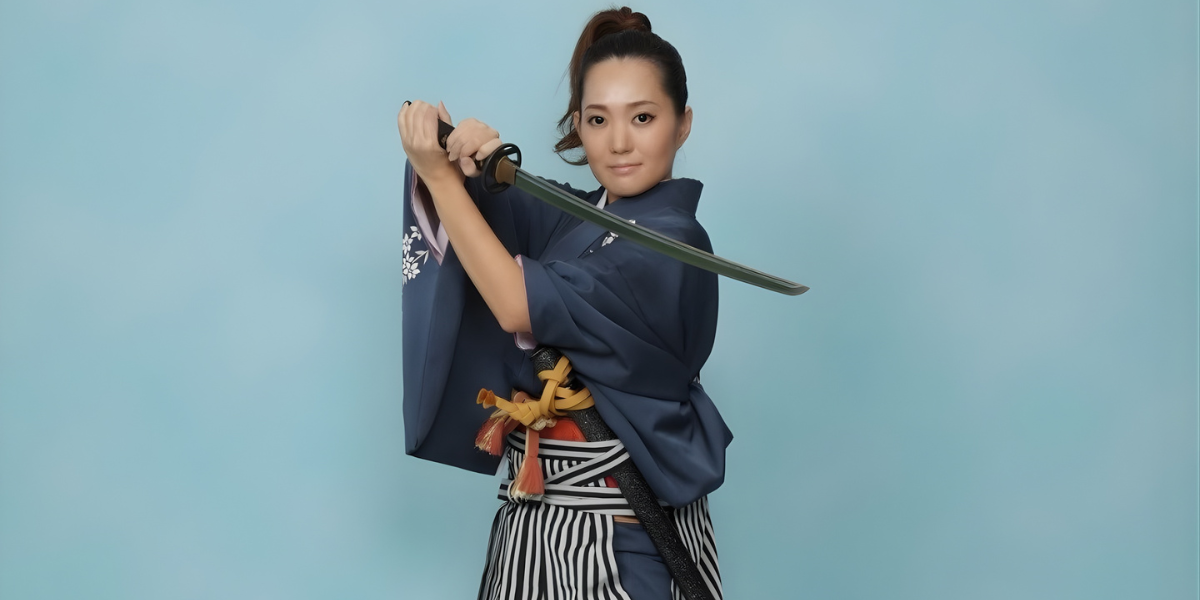
Matcha’s L-theanine may help the brain regulate fear, boosting calm focus and decision-making under pressure.
For centuries, the samurai have been revered for their ability to stay calm under pressure, Iyasu Tokugawa was famous for drinking matcha tea in the most hard moments to out smart other clans and finishing by uniting the whole Japan. But now, science may have an explanation for the inner workings of such courage. It’s not about eliminating fear—it’s about managing it, and modern research is showing how matcha may hold the key.
How Our Brain Turns Fear into Courage
The brain’s fight-or-flight response kicks in when we sense danger. This response originates in the amygdala, which triggers fear and emotional reactivity. But courage doesn’t come from suppressing that fear. It comes when the prefrontal cortex, the brain’s decision-making center, takes control and helps us act despite fear.
In simple terms: fear is felt, but action is taken. The prefrontal cortex helps us regulate emotional responses, enabling decisive action even in the face of fear.
Matcha’s Hidden Power: L-theanine
L-theanine, a compound found in high-quality ceremonial matcha, has been identified as a game-changer. Research by Gozen Biotech, in partnership with ETH Zurich, reveals that L-theanine helps calm the brain without dulling awareness. It facilitates better communication between the amygdala and prefrontal cortex, allowing us to stay focused and calm. Rather than numbing fear, L-theanine helps us process it, enabling us to remain in control during high-pressure situations.
This finding aligns with psychological models that advocate emotional resilience: not the elimination of emotions, but the regulation of them.
A Tradition Rooted in Samurai Culture
For Machiko Gozen, CEO of Gozen Biotech and a 13th-generation heir to a samurai lineage, this discovery resonates deeply. “Matcha has always been a ritual in my family before important decisions,” she explains. “It clears the mind, helps quiet the emotional noise without losing clarity.” What science now confirms, Gozen believes, was practiced for generations.
Samurai warriors drank matcha before strategy sessions, meditation, and even battle—not to fuel energy, but to ground their minds and prepare for high-stakes decisions. It was a ritual that focused the mind, much like a modern athlete would engage in mental preparation before a competition.
A Modern Solution to Stress and Decision-Making
The potential impact of matcha and L-theanine goes beyond ancient rituals. In today’s fast-paced world, emotional regulation is often overlooked in favor of pharmaceuticals or digital wellness tools. But if dietary interventions like matcha can help balance brain function, they offer a natural, sustainable alternative to manage stress.
In professions that demand constant decision-making under pressure—like law, medicine, or finance—the ability to stay composed is crucial. Imagine having access to a natural tool that enhances emotional regulation and sharpens focus. Matcha could be the missing piece in stress management and leadership development.
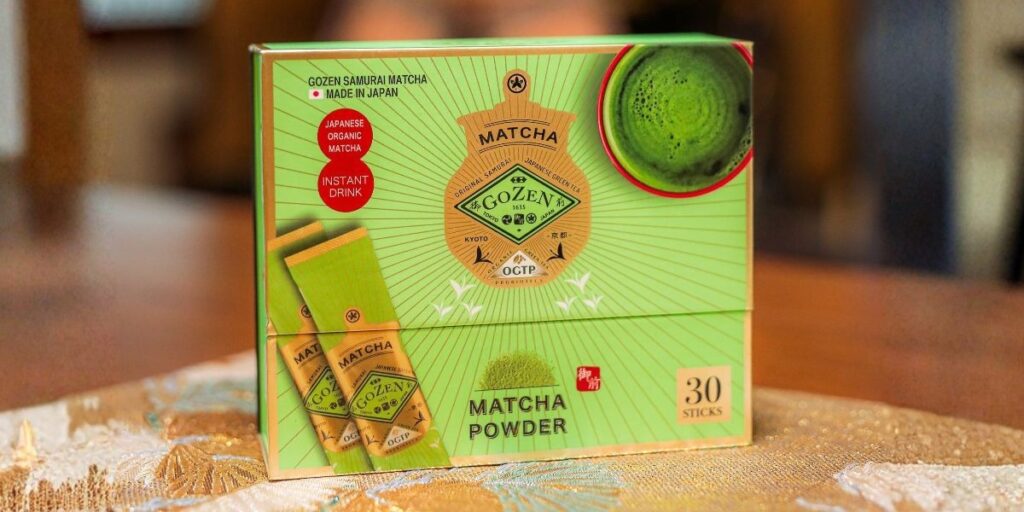
Courage Redefined: Fear Meets Action
Gozen Biotech’s research doesn’t suggest eliminating fear; instead, it proposes that true courage emerges from learning to guide fear through the brain’s prefrontal cortex, where emotional impulses can be evaluated and transformed into thoughtful, deliberate action. By regulating instinctive reactions rather than suppressing them, individuals may respond to pressure with greater clarity and composure. This perspective bridges ancient philosophical practices with modern neuroscience, offering insight into not only what courage means, but also how the brain actively shapes courageous behavior.
Where Culture, Science, and Human Potential Converge
The research into matcha’s effects reveals a fascinating intersection of ancient wisdom and modern science. It suggests that long-standing cultural practices, refined and preserved over centuries, may contain insights relevant to today’s challenges. Scientists are increasingly examining how traditional foods and rituals influence cognitive performance and emotional balance. In this light, matcha is no longer simply a ceremonial beverage from the past; it may serve as a modern tool that helps individuals channel stress and uncertainty into calm focus and purposeful action.
