
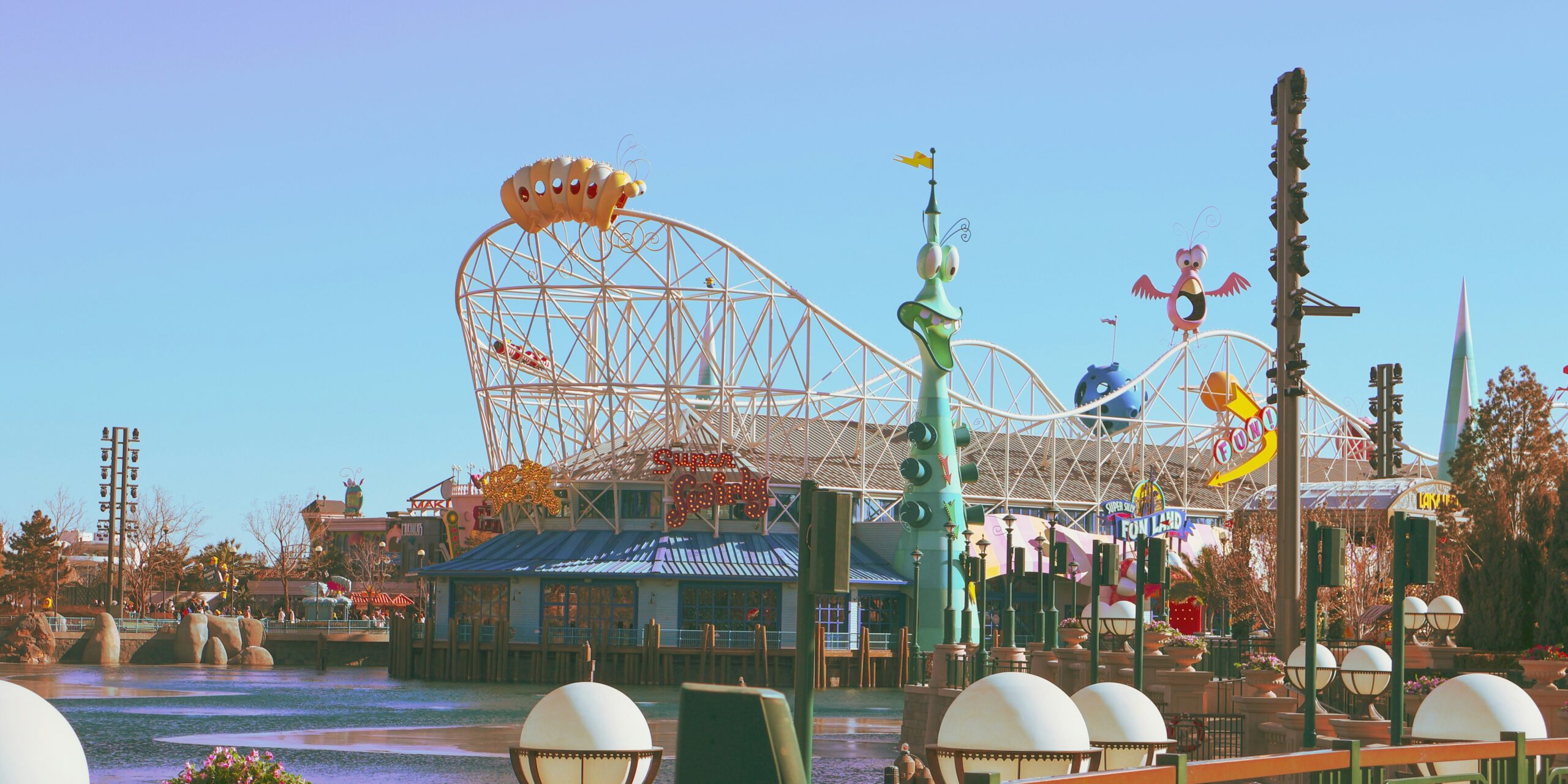
As 2025 comes to a close, the American theme park industry is undergoing a notable shift. Amid rising inflation, evolving consumer habits, and a growing preference for flexible entertainment options, major players in the amusement and attractions space are rethinking the traditional model of large-scale, full-day theme parks. Companies like Universal and Netflix are leading the movement toward more compact, urban-friendly entertainment venues that offer immersive, branded experiences at a smaller scale and lower cost. This new model is aimed at meeting the needs of a population that increasingly values convenience, affordability, and variety in how they spend their leisure time.
The concept behind this pivot is simple: instead of asking visitors to spend hundreds of dollars and dedicate an entire day—or even multiple days—to experience a theme park, companies are developing modular, immersive attractions that can be enjoyed in a few hours. These experiences often feature well-known intellectual property and advanced interactive elements, creating engaging environments that are easier to access and maintain than traditional mega-parks.
One of the most visible examples of this trend is Universal’s “Horror Unleashed” attraction in Las Vegas, a 110,000-square-foot venue that opened in 2025 as part of the Area15 entertainment complex. The experience, built around the studio’s iconic horror franchises, blends walk-through scare mazes, themed dining, and retail into a single, contained environment. It offers a repeatable experience that can rotate themes seasonally, attract horror fans year-round, and maintain a fresh appeal through its modular design. A second location is already in development in Chicago, demonstrating Universal’s confidence in this new format’s potential to scale nationwide.
Streaming giant Netflix has taken a similar approach with its Netflix House concept. These permanent retail-entertainment spaces, also launched in 2025, are designed to bring popular streaming titles to life in physical form. Inside, guests might find themselves exploring a haunted set inspired by “Stranger Things,” participating in a real-life version of a “Squid Game” challenge, or enjoying themed dining experiences that tie directly to the company’s original content. Crucially, these venues are built to be adaptable. As Netflix’s content catalog evolves, so too can the layout and themes of its attractions, offering fresh experiences without requiring large-scale construction or long-term closure.
Analysts view this movement as a direct response to economic pressures and changing demographics. Many families are more budget-conscious than they were during the pre-pandemic era. Travel costs have risen, and the idea of spending thousands of dollars on a theme park vacation has become less viable for many households. At the same time, the cultural appetite for immersive, story-driven entertainment remains strong. Compact venues that cost less to enter and require less time to experience are filling that gap, offering high engagement without the high price tag.
Read Also: https://todayus.com/netflix-pushes-beyond-streaming-with-launch-of-immersive-fan-experience-venues/
These urban-friendly attractions also appeal to consumers’ desire for spontaneous experiences. Unlike traditional theme parks that require careful planning, travel arrangements, and significant time commitments, modular venues allow for shorter visits that fit into everyday life. They’re popping up in shopping centers, entertainment districts, and city centers—places where foot traffic is already high and visitors can combine multiple leisure activities in one outing. This convenience is especially appealing to younger audiences and adults without children, who may want to engage with beloved franchises without the scale or chaos of a theme park.
Behind the scenes, the economics of these smaller attractions are also compelling for developers. They cost significantly less to build and operate than traditional parks, require less land, and can be tailored to specific regional audiences. With modular infrastructure, operators can quickly swap out attractions or re-theme sections based on demand, seasonality, or new content launches. This agility not only keeps the experience fresh but also reduces risk, making these investments more attractive to both established entertainment companies and new entrants to the space.
Smaller attractions are also more conducive to integrating advanced technology. Augmented reality, virtual reality, and AI-driven interactions are easier to implement in confined, controlled spaces, allowing developers to test and refine cutting-edge experiences without the complexities of a sprawling park. These venues become laboratories for innovation while also providing highly marketable, sharable experiences that appeal to social media-savvy guests.
Cities like Las Vegas have become fertile ground for testing these ideas. With a built-in tourist base and a reputation for high-energy entertainment, the city has welcomed concepts like Universal’s Horror Unleashed and Netflix House as part of its ongoing diversification beyond casinos and nightclubs. But other markets are following suit. Developers are eyeing cities like Chicago, Atlanta, Dallas, and Los Angeles as ideal locations for scalable, immersive entertainment venues that tap into both local populations and regional tourism.
As this model gains traction, it may fundamentally reshape the theme park and attractions landscape. Large-scale parks will continue to exist and thrive as flagship destinations, but they are likely to be complemented by a growing network of smaller, more agile experiences designed to reach broader audiences in more places. For consumers, this means more choices—whether they’re looking for a weekend trip with the family or a spontaneous evening out with friends.
Ultimately, this new era of compact, cost-conscious entertainment reflects a larger cultural shift. Experiences are no longer measured solely by their duration or scale, but by their quality, accessibility, and emotional resonance. As 2025 ends, the industry’s evolution toward shorter, cheaper, and more convenient attractions appears not only to meet the moment—but to shape the future of entertainment itself.
