U.S. Fighter Jets Intercept High-Altitude Balloon Over Utah, Raising Security Concerns
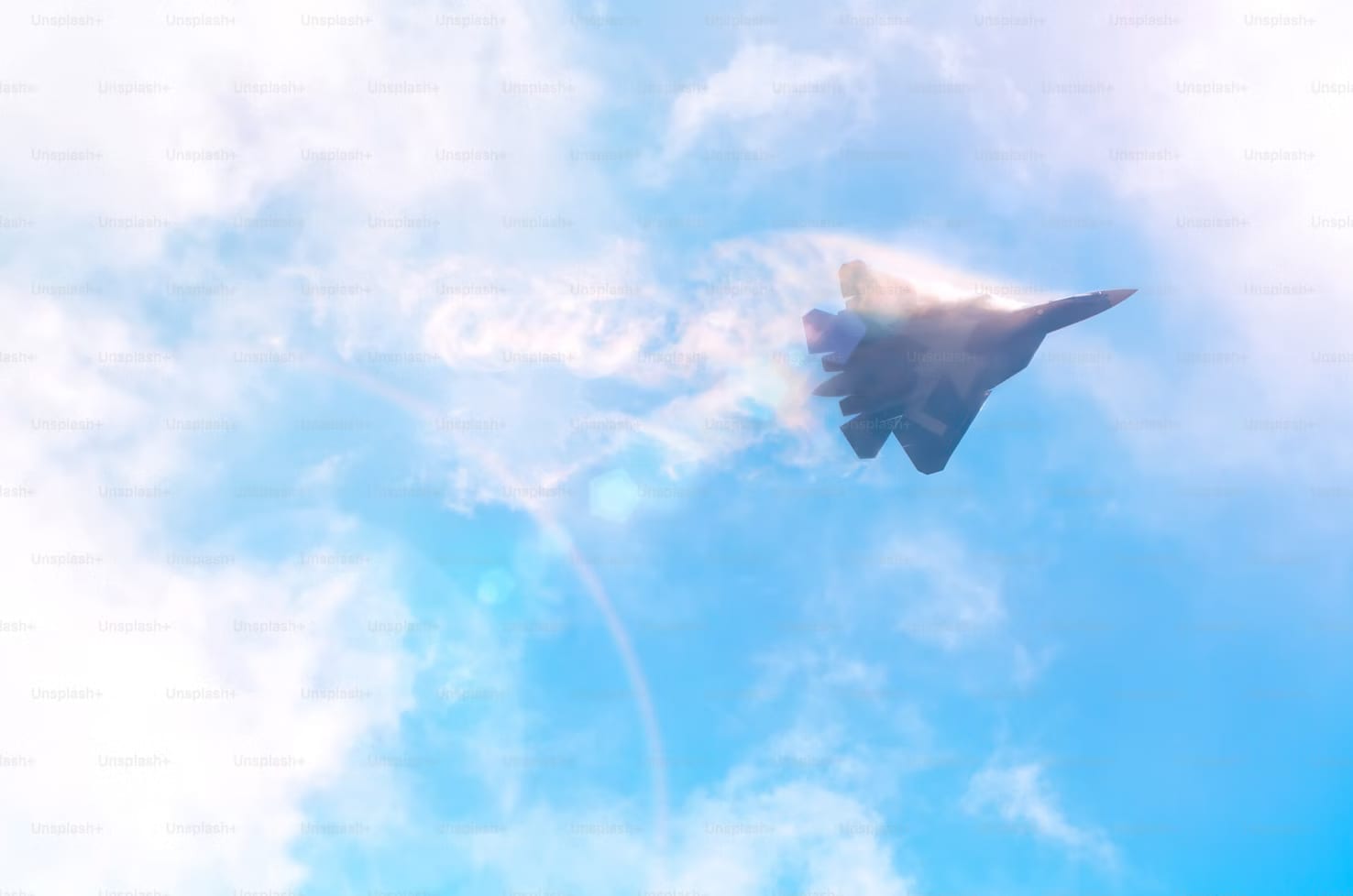
A high-altitude balloon drifting over Utah triggered a swift response from the U.S. military, with fighter jets deployed to intercept and monitor the unidentified object. The incident has sparked fresh concerns over national security and aerial surveillance, as officials work to determine whether the balloon is a foreign reconnaissance device or a harmless weather research platform.
Military Response and Growing Security Concerns
The balloon was first detected by air defense systems, prompting immediate tracking by U.S. military officials. While authorities have not confirmed its origin, the sighting has fueled speculation over potential foreign intelligence-gathering efforts, particularly given past incidents involving suspected surveillance balloons from adversarial nations.
According to a Pentagon statement, the object did not pose an immediate threat to civilian air traffic or national security. However, given the U.S.’s recent history with suspected spy balloons, the government is treating the situation with heightened vigilance and urgency.
Ongoing Investigation and Potential Outcomes
Defense officials are actively evaluating whether the balloon should be brought down or allowed to continue its flight path. In prior cases, U.S. forces have taken action to neutralize foreign surveillance threats, leading to diplomatic tensions with nations accused of unauthorized aerial intelligence operations.
The interception comes as lawmakers push for stronger airspace security measures, arguing that existing protocols may not be sufficient to detect and neutralize potential threats. Some officials have called for expanded surveillance capabilities to prevent unidentified objects from entering restricted U.S. airspace unnoticed.
Implications for National Defense and Business Sectors
The growing number of aerial threats has business and defense sectors closely monitoring the situation. The incident underscores the importance of advanced detection systems, fueling interest in aerospace technology, satellite monitoring, and national defense contracts. Companies specializing in radar technology, surveillance drones, and aerospace security could see increased government investment as officials work to bolster national defenses.
What’s Next?
As intelligence agencies analyze the balloon’s origins and intent, military officials continue to closely monitor U.S. airspace for potential threats. The event serves as a reminder of modern geopolitical tensions, particularly concerning foreign surveillance tactics and the need for enhanced airspace security.
Further details are expected as the investigation unfolds, with defense analysts watching closely for any policy changes or security upgrades in response to the incident.

Today US Contributor
Hailey Anderson
Covers business, digital culture, and entrepreneurship, exploring how new ideas and technologies are changing industries.
This article features partner, contributor, or branded content from a third party. Members of the Today US editorial staff were not involved in the creation of this content. All views and opinions are those of the contributor alone.

You may also like

Atlantic Health Strategies: Building Quality and Lasting Success in Behavioral Health

Evolve Leadership And Development Leads From Within

From Struggling to Breathe to Building Everwild Apothecary: Corey Gawryl’s Journey to Natural Wellness

Kandé Is Changing The Conversation Around Modest Fashion With A Distinctly African Vision

Michael J. Bannach: Where Does Controlled Data Go When an Engineer Uses AI?