
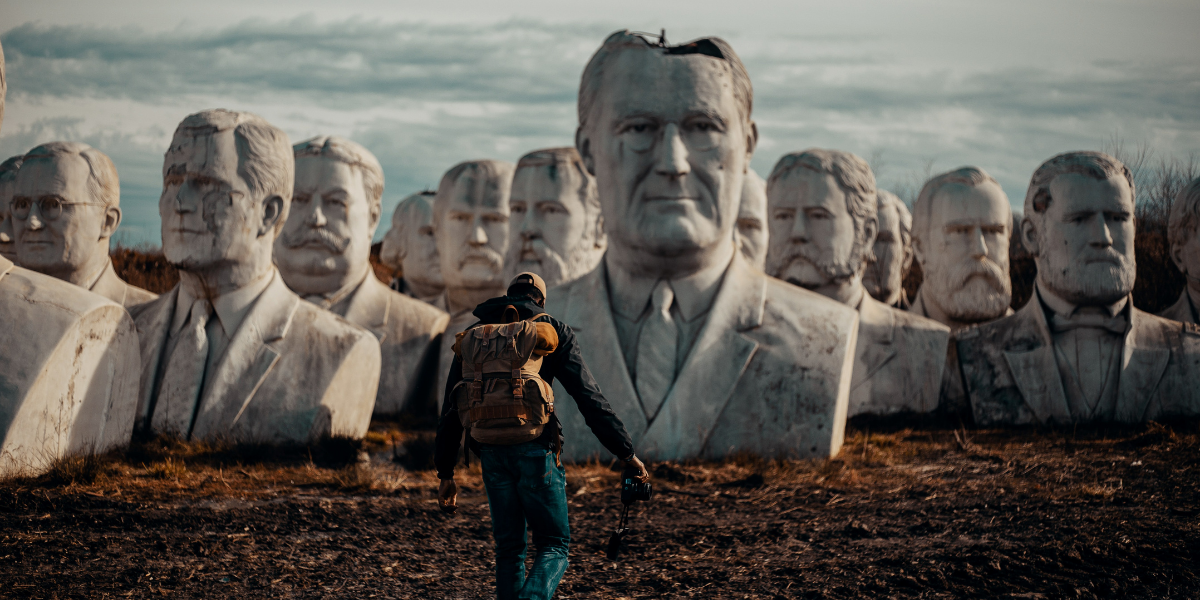
On Monday, February 16, 2026, the United States observed Presidents Day, a major federal holiday that brought widespread closures and a notable pause in government, financial, and postal services across the country. While not a “breaking news event” in the traditional sense of unexpected occurrences, Presidents Day represents one of the year’s earliest nationally recognized observances and directly shaped daily life and economic activity across the nation today.
What Presidents Day Is and Why It Matters
Presidents Day falls annually on the third Monday of February and has a long history in the U.S. federal holiday calendar. Originally established in 1885 to honor George Washington’s birthday, the holiday was later moved to its current Monday slot under the Uniform Monday Holiday Act to encourage long weekends for workers. Over time, the day became popularly known as Presidents Day and is widely interpreted as honoring the office of the U.S. presidency and the nation’s past leaders more broadly.
The day’s official federal designation remains Washington’s Birthday, but the expanded recognition of presidents like Abraham Lincoln, whose birthday also falls in February, has contributed to the modern usage of the term “Presidents Day.”
Closures and National Pause
Because Presidents Day is a federal holiday, many essential services and public institutions were closed or paused on February 16:
- Federal government offices, closed, with employees observing the holiday.
- Postal services, the U.S. Postal Service (USPS) suspended mail delivery and closed all of its more than 31,000 locations nationwide for the 24‑hour holiday period.
- Stock markets, major U.S. financial exchanges including the NYSE, Nasdaq, and bond markets were closed for the day.
- Banks and courts, most major banks and court systems were not operating.
- Schools and government agencies, many public schools and local government offices were also closed or operated on limited schedules.
At the same time, some essential digital services, for example, online banking and ATM access, remained available, offering continuity for basic financial needs despite branch closures.
Economic and Social Effects
The holiday’s timing within the year, near the midpoint of winter, contributes to notable impacts on commerce and travel:
- Retail and commerce: Many retailers remain open on Presidents Day and take advantage of the long weekend to host widespread discounts and sales, particularly in categories like furniture, appliances, and electronics. Promotion-heavy shopping periods often draw consumers looking to capitalize on holiday bargains.
- Travel and tourism: The three‑day weekend presents opportunities for short domestic trips and visits to historical landmarks. Popular destinations such as national parks, memorials, and presidential museums see increased visitation around the holiday weekend.
- Reduced market activity: With financial markets closed, global trading patterns today showed muted activity tied to the U.S. holiday. European markets experienced modest gains as U.S. traders awaited reopening, highlighting the interconnected nature of global financial systems even during domestic holidays.
Cultural and Civic Observances
Beyond the economic and administrative effects, Presidents Day also serves as a moment for civic reflection on leadership and democratic institutions:
- Educational programs and events: Across the country, museums, presidential libraries, and historical societies host programming aimed at educating the public on presidential history and governmental roles.
- Community celebrations: Some cities and towns hold parades or local community events celebrating civic history and patriotic traditions, fostering community engagement around national heritage.
Key Takeaways
,Federal holiday status meant a nationwide pause in many government and financial operations on February 16, significantly affecting mail delivery, markets, and public services.
,Retail and travel sectors capitalized on the long weekend with sales and elevated tourism.
,The observance continues to reflect both historical tribute to presidential leadership and modern socio‑economic rhythms that shape American public life early in the year.
Presidents Day 2026 stands as a reminder of how federal holidays not only honor national heritage but also influence everyday life across diverse sectors, from commerce and travel to public policy and civic engagement.
