
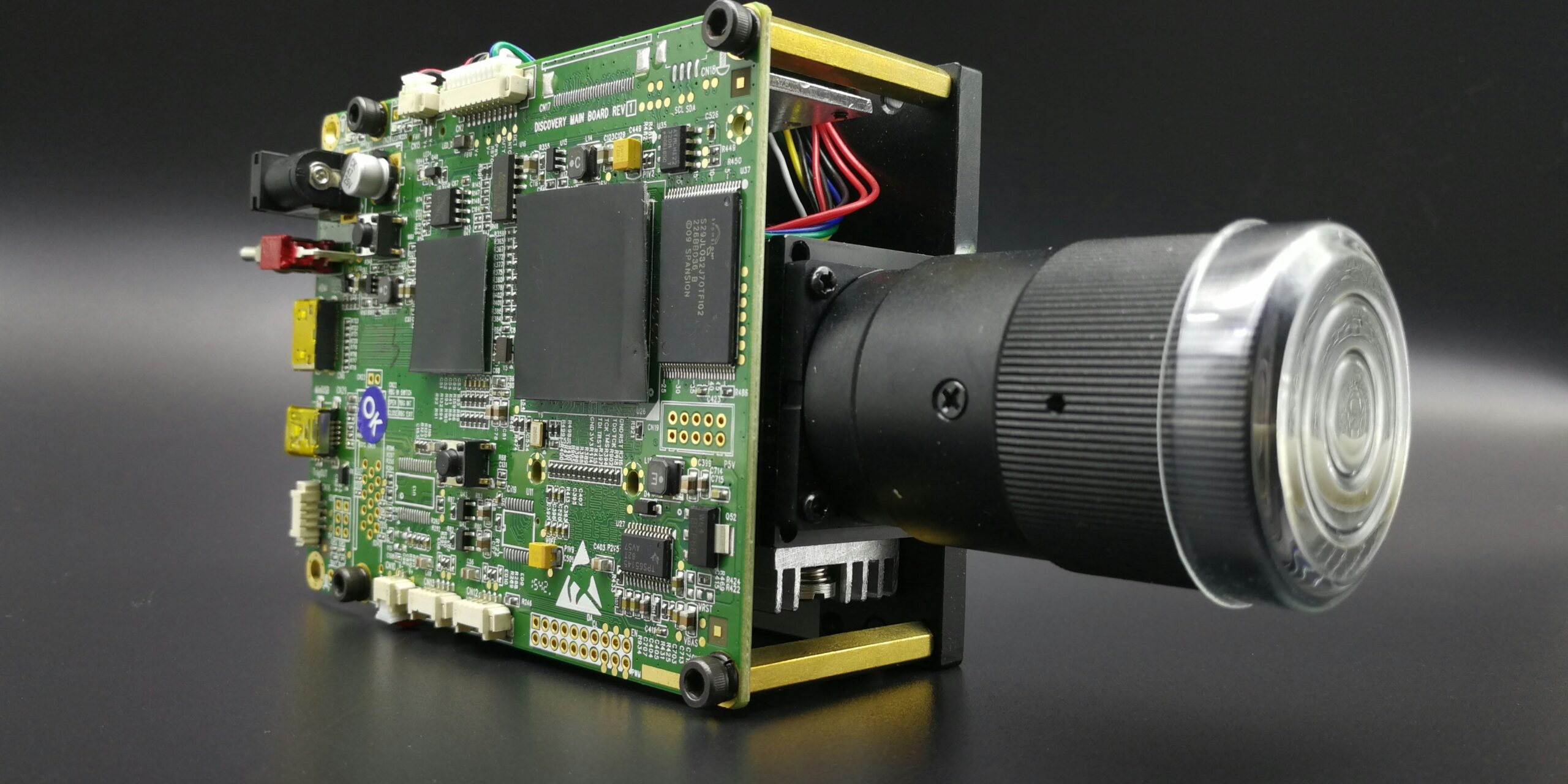
mOn November 9, 2025, researchers in the United States unveiled a technological breakthrough that could revolutionize the world of imaging and sensor technology. This new development, reported by leading tech-media outlet SciTechDaily, is poised to redefine the way cameras capture images, especially under low-light conditions. The innovation is described as a dramatic advancement, shattering what was previously considered an “impassable barrier” in the realm of camera sensors.
The breakthrough involves a cutting-edge sensor architecture that allows for high-resolution imaging in extremely low light, far surpassing the capabilities of current commercially available sensors. The technology, while still in its early stages, has far-reaching implications across multiple industries, including smartphones, autonomous vehicles, security cameras, and wearable devices. These sectors, which heavily rely on imaging technology, stand to benefit significantly from the enhanced capabilities of these sensors.
One of the key aspects of this new sensor is its ability to capture images with remarkable clarity even in environments where light is scarce. The implications of this are vast, particularly for applications such as night-time photography. With this new technology, consumers can expect cameras that perform better in low-light conditions, providing sharper, clearer images at night or in poorly lit environments. In addition, the sensors could improve the accuracy of depth detection in robotics, making it easier for machines to navigate and interact with their surroundings in the dark.
For augmented reality (AR) and virtual reality (VR) applications, the development holds particular promise. AR and VR headsets have long struggled with performance in dimly lit environments, but with this new sensor technology, users can expect smoother, more realistic experiences even in low-light settings. This could significantly enhance the overall performance and immersion of these devices, which have become increasingly popular in gaming, education, and training environments.
From a consumer perspective, this advancement signals the arrival of smarter cameras in everyday devices. The camera technology embedded in smartphones, smartwatches, and other wearable devices could become vastly more efficient, enabling clearer and more detailed imaging regardless of the lighting conditions. As a result, mobile photography could be transformed, allowing for high-quality photos in a variety of settings that were previously difficult to capture, such as indoor events or nighttime outings.
The industry implications are also substantial. Camera sensor manufacturing companies and smartphone original equipment manufacturers (OEMs) are likely to be closely monitoring this development. The new sensor technology could lead to new licensing opportunities, as companies seek to incorporate this breakthrough into their next-generation devices. Given the immense potential of this technology, sensor manufacturers may also explore collaborations with automotive firms, security companies, and AR/VR developers to create customized solutions tailored to specific market needs.
Although the announcement made on November 9 is preliminary, with no specific timelines for full commercialization provided, the breakthrough demonstrates the power of scientific research to shape the future of consumer technology. As the technology continues to develop, the convergence of scientific innovation and its practical applications in consumer devices will play a crucial role in shaping the next generation of smart technologies.
Ultimately, the innovation challenges the traditional notion of camera performance, which has historically been tied to how much light is available. With this new sensor technology, the future of mobile photography, creative content production, and digital experiences in general may be defined less by the external lighting conditions and more by the sophistication of the sensor itself. This shift in focus has the potential to change the way we interact with technology, bringing about smarter, more capable devices that can perform under any condition, day or night.
