
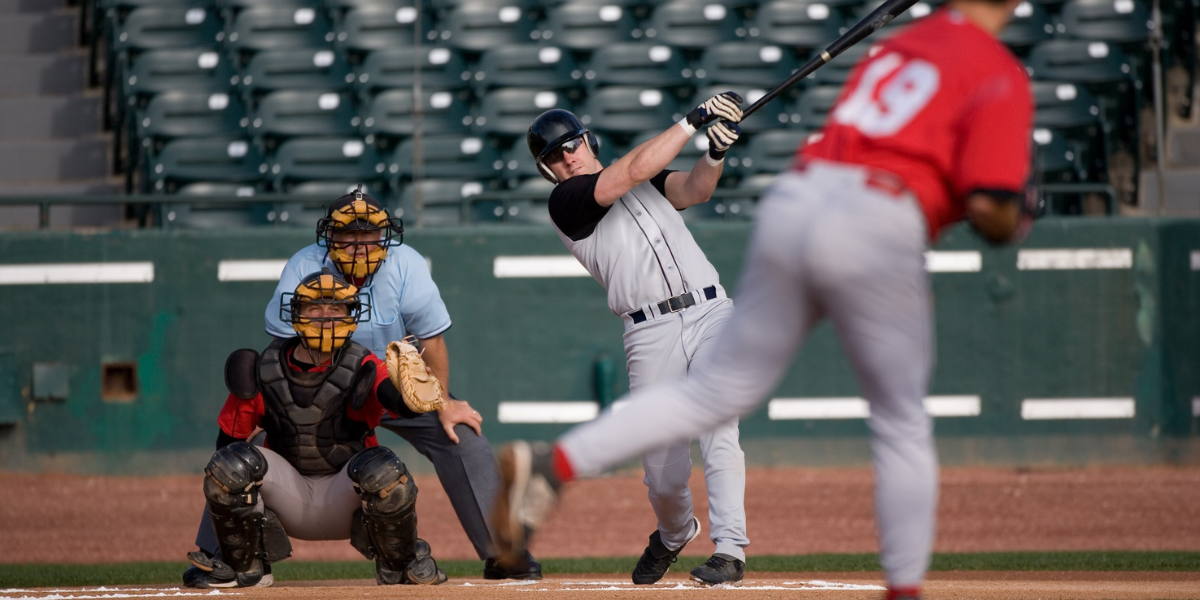
The 2026 World Baseball Classic (WBC) group stage continued on March 11 with the final round of games for Group B hosted at Daikin Park in Houston, showcasing national teams from across the globe and marking a high-profile moment for baseball fans in the United States. The competition, which began earlier in the week, brings international baseball stars together in a national-team format that celebrates both athletic achievement and cross-cultural engagement in one of America’s most beloved sports.
The World Baseball Classic is one of the premier international tournaments in the sport, organized amid growing global interest in baseball and its expansion beyond traditional markets. In 2026, the event returns with a blend of seasoned Major League Baseball (MLB) stars and emerging international talent, representing a broad spectrum of playing styles and national baseball cultures.
What Happened on March 11
On March 11, teams in Group B, including the United States, Mexico, Great Britain, Italy, and Brazil, competed in the final round of round-robin play. These matchups determined which teams would advance to the tournament’s quarterfinals later in March. Group B’s competition concluded with a slate of closely watched games that drew attendance from local and traveling fans alike.
The United States squad entered the day with strong expectations as the host nation and one of the historically dominant teams in WBC play. Fans packed Daikin Park to support Team USA while also cheering on international opponents, creating a festive, multicultural atmosphere around the venue.
Significance of the Event
The World Baseball Classic has grown in stature since its inception, serving as a major global stage for baseball outside of MLB play. In recent editions, it has provided a platform for players from diverse leagues around the world to compete under their national flags, fostering international camaraderie and raising the profile of baseball as a global sport.
For host cities like Houston, WBC games provide a cultural and economic boost. Hotels, restaurants, and entertainment venues in the area see an influx of visitors, while local artists, musicians, and cultural institutions often align programming around the tournament to engage fans, from themed exhibits to fan festivals and live performances. Though primarily a sporting event, the WBC contributes to cultural programming and community activation in host cities.
Global and Cultural Impact
Baseball’s global footprint has expanded significantly over the past decade. The WBC brings together nations with passionate fan bases, including countries where baseball plays a central role in national identity, such as Japan, the Dominican Republic, and Cuba, as well as emerging programs from Europe and South America. The tournament’s format emphasizes not only winning but also national pride and cultural exchange among athletes and fans.
Houston’s role in hosting Group B’s final day positions the city as a vibrant hub for international sport and culture. The attendance of fans from diverse backgrounds underscores the connective power of sports as a communal experience that spans beyond borders. This cultural interplay resonates with calendar events in other U.S. cities on March 11, where local concerts, art exhibitions, and community events take place concurrently, illustrating a rich tapestry of cultural life across the country.
What’s Next in the Classic
Following the conclusion of group play on March 11, the top teams from each pool will move on to the quarterfinal round, with knockout matches scheduled in mid‑March. The WBC’s structure elevates the stakes as the tournament progresses, turning early group dynamics into high-intensity contests that captivate international audiences.
Fans of Team USA and supporters of other national squads will be watching closely as rosters refine their strategies and pitching rotations pivot to the elimination stage. Each advancing team carries not just athletic ambition but also the cultural expectations of their home nations, providing an added layer of narrative to the remainder of the competition.
Takeaways for Readers
For readers interested in cultural phenomena that blend community, identity, and entertainment, the World Baseball Classic offers a compelling example of how sport functions as a platform for international connection. It isn’t merely about competition; it highlights stories of heritage, national pride, and international cooperation through a shared love of baseball.
As March 11 draws to a close, fans in Houston and around the world reflect on the performances that shaped the group stage and set the table for the heightened excitement of the tournament’s final rounds. With quarterfinals on the horizon, interest in global sport and the events that surround it continues to grow, reinforcing the role of cultural and athletic gatherings in today’s interconnected world.
