Albert Hakim: Detroit REO Built On Hard Work
Through Detroit’s hardest housing cycles, Albert Hakim built a business around showing up and doing the difficult work.
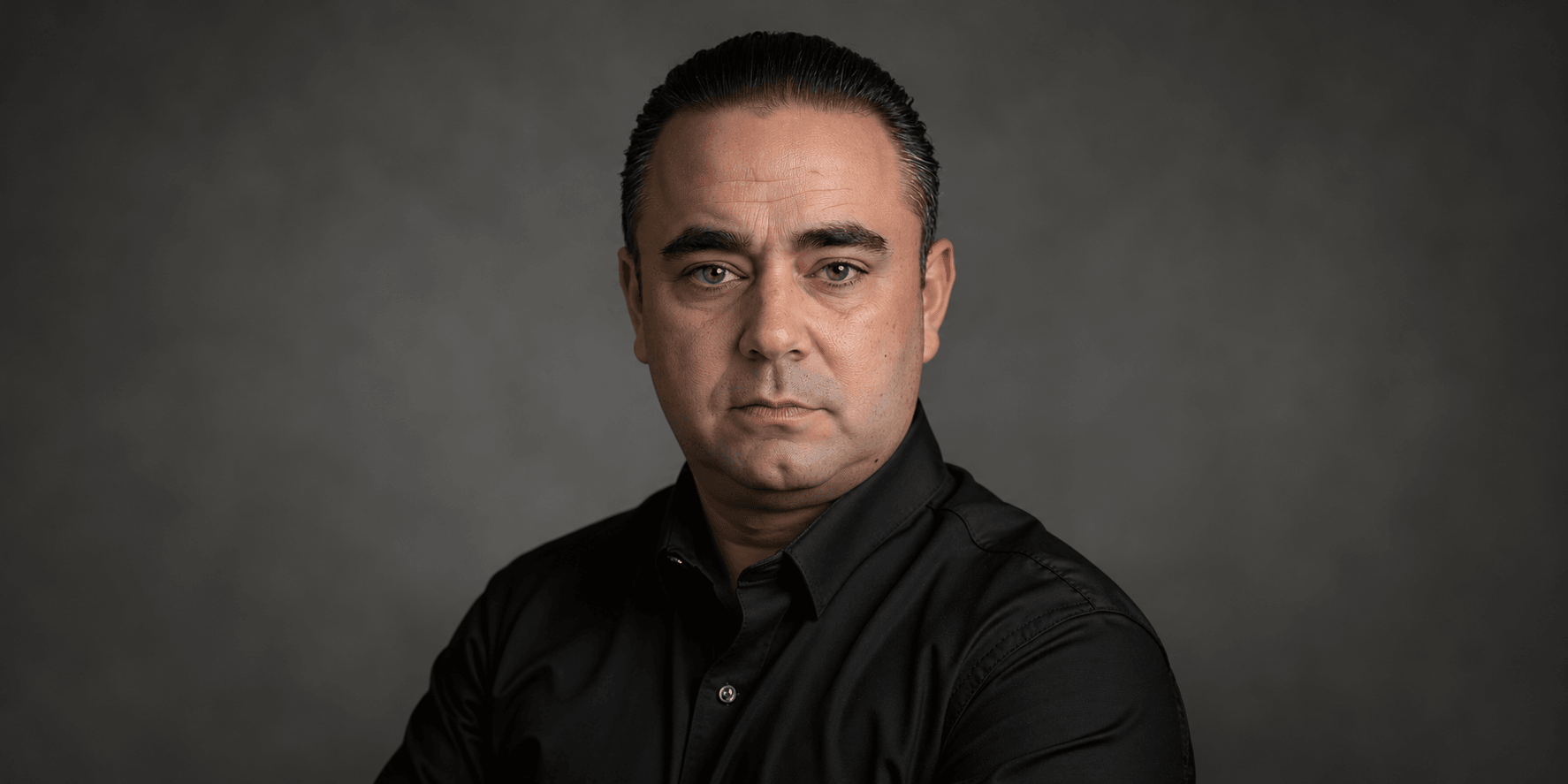
When Detroit homes could sell for a dollar, a low price did not mean an easy assignment. Vacant rooms, debris, missing systems, and deferred repairs could stand between a property and its next owner. Albert Hakim worked in that market, then stayed through the foreclosure crisis, Detroit’s 2013 bankruptcy, and the recovery that followed. His Detroit REO experience rests on that continuity: more than twenty years spent dealing with properties whose problems could not be solved by a listing alone.
Detroit REO Experience, Built Through Change
Hakim, team leader of RE/MAX First City Real Estate Team, began working in distressed real estate in the early 2000s. His career spans the rise of subprime lending, the housing crash, the short sale years, and the shift toward recovery. Each phase brought different pressures. Property values changed, lenders revised their processes, and buyers reassessed what they would take on. Remaining in the field meant learning how to respond without losing sight of the work each assignment required.
That history gives Hakim a practical way to view today’s market. A price from the last cycle does not establish what a home should sell for now. Neither does a hopeful forecast. The task is to examine the property, study recent sales, assess its condition, and understand the likely buyer. His team uses Broker Price Opinions, commonly called BPOs, to support those evaluations. The aim is clear information that helps clients weigh pricing and next steps.
The human side of distressed property has also shaped his perspective. Behind a vacant house may be a family’s loss, years of neglect, or a neighborhood working toward stability. Hakim describes a career spent seeing those changes up close. That experience does not make every transaction simple. Instead, it reinforces the need for clear communication, realistic expectations, and steady follow-through. A property is an asset to manage, but it also occupies a real place in a community.
His credentials include the NRBA Michigan Master Broker designation and the Certified Short Sale Expert credential. They sit alongside, rather than replace, his field experience. In Detroit REO work, a valuation may be only the start. The next questions concern access, condition, repairs, marketing, and documentation. Hakim’s business has developed around connecting those tasks. For an asset manager overseeing properties from a distance, that local coordination can be as important as the eventual listing itself.
The Work Before A Property Reaches The Market
A bank-owned property does not always arrive ready for photographs and showings. Some need cleanouts or debris removal. Others require securing, repairs, or help addressing vacant-property conditions. Hakim’s team coordinates these parts of the process as assignments require. The benefit is not a promise that every obstacle will disappear. It is a defined approach to identifying problems, arranging the necessary work, and keeping the client informed while the property moves toward market readiness.
“No suit. No tie. Just boots on the ground, hard work, determination and results.” Hakim’s description of his approach is direct, and it captures the identity he wants the team to carry. The emphasis is on action rather than appearance. A difficult house needs someone to assess what is wrong, explain what can be done, and follow through. In his view, professional service shows itself in that work, not simply in the presentation made before an assignment begins.
For Detroit REO clients, accountability also means making conditions visible. Banks, mortgage servicers, and asset managers need updates they can use, not vague assurances. The team’s services include property reports, market feedback, pricing recommendations, and vendor coordination. Those tasks help clients understand what has changed and which decisions need attention. Consistent reporting keeps the local work connected to the owner’s broader process, especially when several people must review or approve the next step.
The same discipline carries into marketing. A home that needs substantial repairs may attract a different buyer from a property ready for occupancy. Price, condition, location, and financing constraints all shape that audience. Hakim’s team draws on relationships with buyers and real estate contacts developed through years in Southeast Michigan. The purpose is to put each property before suitable prospects while presenting its condition clearly. Exposure matters most when it reaches people prepared to consider the property as it stands.
A Detroit REO Team Focused On Follow-Through
City Real Estate Team operates within RE/MAX First, pairing its distressed-property focus with an established brokerage setting. Its service territory includes Wayne, Oakland, Macomb, St. Clair, Livingston, and Washtenaw counties. That reach matters because Metro Detroit is not one uniform housing market. A vacant city home, a suburban bank-owned house, and a parcel of land can require distinct pricing and marketing choices. Local knowledge helps the team approach each assignment on its own terms rather than apply one formula.
The team describes approximately five hundred annual home sales as a production benchmark. More important than that stated measure is the operating challenge behind it: handling multiple assignments without allowing communication or detail to slip. Hakim’s experience includes coordinating preservation, repairs, cleanouts, and asset disposition across numerous properties. The service proposition is therefore broader than sales volume. It is the ability to organize demanding work while keeping individual properties and client requirements in view.
As the housing market changes in 2026, Hakim’s approach remains rooted in fundamentals rather than forecasts. Understand the house. Understand its neighborhood. Set expectations that reflect current evidence. Then maintain contact as conditions develop. Detroit REO experience does not remove uncertainty, and past transactions cannot guarantee a future outcome. It can, however, provide context for asking better questions, spotting practical obstacles, and choosing a course of action based on what the team finds on the ground.
That is the through line in Hakim’s story. The dollar homes, the foreclosure years, and the recovery are not separate chapters used only to mark time. Together, they explain why his business places such weight on persistence. The prices have changed, but a neglected property still needs attention. An asset manager still needs reliable information. A buyer still needs a clear view of what is being offered. The team’s role is to keep those needs connected through the transaction.
For banks, servicers, and asset managers assessing local representation, the team’s website offers a starting point to explore its services and discuss an assignment’s needs. A useful conversation can begin with property condition, reporting expectations, service coverage, and the work required before marketing. Those details provide a concrete basis for evaluating fit. For Hakim, they also bring the discussion back to the commitment that has defined his career: understand the challenge, take responsibility, and follow through. Connect with RE/MAX First City Real Estate Team and Albert Hakim On LinkedIn.

Today US Contributor
Hailey Anderson
Covers business, digital culture, and entrepreneurship, exploring how new ideas and technologies are changing industries.
This article features partner, contributor, or branded content from a third party. Members of the Today US editorial staff were not involved in the creation of this content. All views and opinions are those of the contributor alone.

You may also like

From Navy Veteran to Entrepreneur: How Victor Enciso Built MarMaids Into a 180-Property Cleaning Business

Why Asch Roofing Says New Jersey Homeowners Should Not Wait Until Spring To Think About Their Roof

Upgrade By Piera Maria Fromm: Unlearning To Remember

MR.KICS Launches Black Edition Of Its XL Deodorizer Inserts
Los Angeles Lakers Survive Overtime Thriller Against Charlotte Hornets in 118-114 Victory