Biden Administration Brokers Deal to Avert U.S. Port Strike, Preventing Supply Chain Crisis
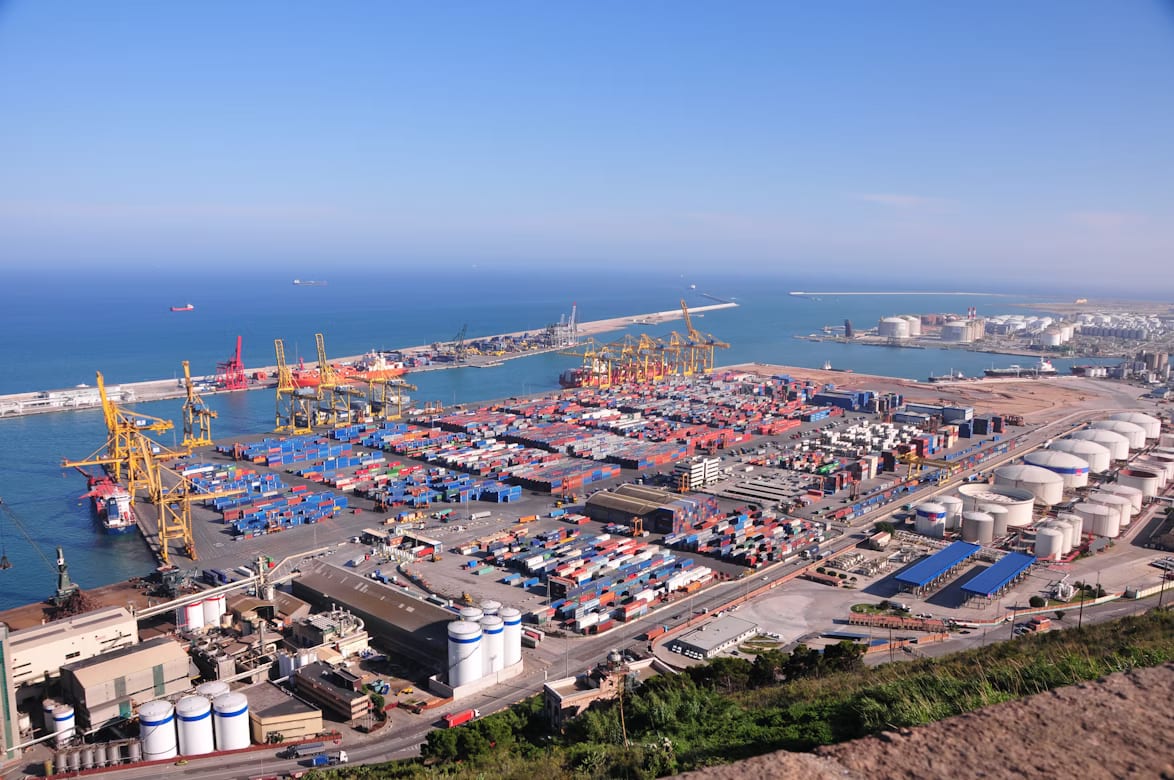
The Biden administration has successfully brokered a last-minute agreement between shipping companies and the International Longshoremen’s Association (ILA), preventing a massive port strike that could have disrupted supply chains across the United States. The deal ensures the continued operation of major East Coast and Gulf Coast ports, safeguarding the flow of goods that millions of businesses and consumers depend on.
Averting Economic Disruption
Port labor unions had been pushing for higher wages, improved working conditions, and job security, citing concerns over the increasing use of automation in cargo handling. Union leaders argued that greater reliance on automated systems could threaten thousands of jobs, while shipping companies maintained that modernization was necessary to remain competitive in the global market.
The Biden administration’s early involvement helped fast-track negotiations, avoiding potential slowdowns at key ports such as New York, Savannah, and Houston. President Joe Biden praised the agreement, emphasizing its importance in keeping the U.S. economy stable.
“A strong supply chain is critical for American businesses and consumers,” Biden said in a statement. “This agreement ensures that goods keep moving, jobs are protected, and our ports remain a pillar of economic strength.”
What Was at Stake?
Had the strike gone forward, the economic consequences could have been severe, including:
- Shipping delays for consumer goods, automobiles, and essential raw materials.
- Higher prices for businesses and consumers, as retailers and manufacturers struggled with inventory shortages.
- Increased strain on an already fragile global supply chain, with ripple effects on international trade.
Retailers and manufacturers had been bracing for possible shortages, with some companies rushing to move shipments ahead of the strike deadline. The resolution of the dispute has provided relief to industries that rely on timely imports and exports.
Future Challenges Ahead
While the agreement marks a significant victory for the Biden administration, labor unions have warned that automation remains a major unresolved issue in future contract negotiations. The push for efficiency and cost-cutting in port operations is likely to clash with worker concerns over job security in the coming years.
For now, the resolution of the port labor dispute is seen as a major win for both the administration and businesses, ensuring that global trade routes remain operational without additional economic strain. However, tensions over the future of automation in the shipping industry are likely to resurface in negotiations down the line.

Today US Contributor
Hailey Anderson
Covers business, digital culture, and entrepreneurship, exploring how new ideas and technologies are changing industries.
This article features partner, contributor, or branded content from a third party. Members of the Today US editorial staff were not involved in the creation of this content. All views and opinions are those of the contributor alone.

You may also like

Atlantic Health Strategies: Building Quality and Lasting Success in Behavioral Health

Evolve Leadership And Development Leads From Within

From Orphanage to Congressional Recognition: Scarlet’s Inspiring Journey of Resilience and Success

From Struggling to Breathe to Building Everwild Apothecary: Corey Gawryl’s Journey to Natural Wellness

Kandé Is Changing The Conversation Around Modest Fashion With A Distinctly African Vision