Cinco de Mayo 2026 Celebrations Unite Communities Across the United States
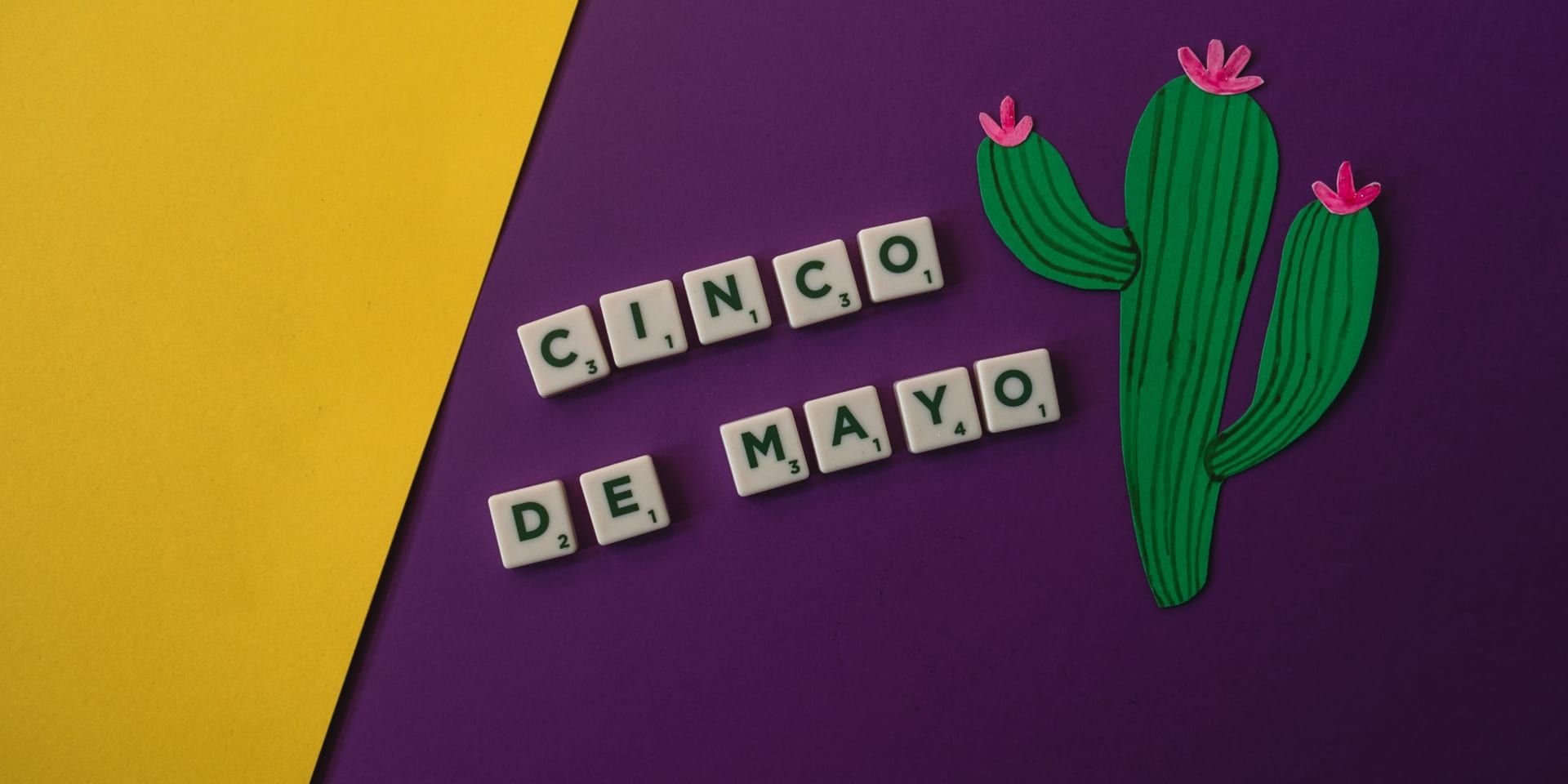
Cities across the United States came alive this week as millions of people gathered to celebrate Cinco de Mayo, a cultural observance that continues to grow in significance and popularity nationwide. The 2026 celebrations highlighted the richness of Mexican heritage, the strength of community connections, and the positive impact of cultural events on local economies and everyday life.
Cinco de Mayo, observed annually on May 5, commemorates the historic victory of Mexican forces at the Battle of Puebla in 1862. In the United States, the holiday has evolved into a vibrant celebration of culture, identity, and unity, embraced by people from diverse backgrounds. This year’s events reflected that spirit more than ever, offering inclusive, family-friendly experiences in cities large and small.
From California to Texas and beyond, communities hosted colorful parades, music festivals, and cultural exhibitions. In cities like San Diego and Los Angeles, multi-day festivals featured traditional dance performances, live mariachi bands, and culinary showcases that brought authentic Mexican flavors to the forefront. Families, tourists, and locals alike gathered in historic districts and public spaces, creating an atmosphere filled with energy and appreciation.
On the West Coast, the San Francisco Bay Area hosted a dynamic lineup of events that blended tradition with modern creativity. Cultural performances, artisan markets, and interactive exhibits gave attendees the opportunity to engage with heritage in meaningful ways. Meanwhile, Portland’s waterfront festival offered a welcoming environment for visitors to explore food, crafts, and live entertainment in a scenic setting.
Texas, known for its deep cultural ties to Mexico, delivered some of the most expansive celebrations. Cities such as Houston, Austin, and Dallas organized parades, concerts, and educational programs that emphasized both historical awareness and contemporary cultural expression. Museums and community centers played a key role by offering exhibits and workshops that helped attendees better understand the significance of the holiday.
In the Midwest, cities like Denver and Saint Paul continued their long-standing traditions of hosting large-scale Cinco de Mayo festivals. These events brought together diverse communities through music, art, and shared experiences. Family-friendly activities, including car shows, games, and cultural storytelling, ensured that people of all ages could participate and enjoy the celebrations.
Beyond the festivities, Cinco de Mayo 2026 also demonstrated the positive influence of cultural events on local economies. Restaurants, small businesses, and artisans experienced increased activity as visitors explored food markets, purchased handmade goods, and supported local vendors. Festivals provided valuable opportunities for entrepreneurs to showcase their work while contributing to the vibrancy of their communities.
Equally important was the role of education in this year’s celebrations. Many events incorporated historical exhibits and cultural presentations that deepened public understanding of Mexican heritage. By blending entertainment with learning, organizers created experiences that were not only enjoyable but also meaningful and enriching.
A standout aspect of the 2026 celebrations was the strong emphasis on inclusivity. Organizers across the country prioritized accessibility by offering free or low-cost events, ensuring that more people could participate. Public spaces were transformed into welcoming environments where individuals from all walks of life could come together, celebrate, and connect.
Community collaboration also played a vital role in the success of this year’s events. Partnerships between local governments, cultural organizations, and community groups helped deliver well-organized and authentic experiences. These efforts reinforced the importance of teamwork in creating celebrations that reflect both tradition and modern community values.
The widespread participation in Cinco de Mayo 2026 highlights a broader trend in the United States: a growing appreciation for cultural diversity and shared experiences. Events like these not only celebrate heritage but also strengthen social bonds, encourage mutual understanding, and create lasting memories for participants.
For many attendees, the celebrations offered more than just entertainment, they provided a sense of belonging and connection. Whether through music, food, or storytelling, people found opportunities to learn from one another and celebrate the richness of cultural traditions.
As communities look ahead, the continued success of Cinco de Mayo events suggests a bright future for cultural programming in the United States. With ongoing innovation, increased community involvement, and a commitment to inclusivity, these celebrations are likely to become even more impactful in the years to come.
Cinco de Mayo 2026 stands as a powerful example of how cultural events can bring people together in positive and meaningful ways. By celebrating heritage, supporting local communities, and fostering unity, this year’s festivities left a lasting impression, one that reflects the enduring value of culture in everyday life.

This article features partner, contributor, or branded content from a third party. Members of the Today US editorial staff were not involved in the creation of this content. All views and opinions are those of the contributor alone.

You may also like

From Struggling to Breathe to Building Everwild Apothecary: Corey Gawryl’s Journey to Natural Wellness

Kandé Is Changing The Conversation Around Modest Fashion With A Distinctly African Vision

Preston Nelson Writes To Survive And Thrive
Beyond The Message: How Good Quality Human Is Redefining California Lifestyle Wear
Michael J. Bannach: Where Does Controlled Data Go When an Engineer Uses AI?