Florida Gators Upset Texas 27–24 in Road Victory With Major Season Implications
Florida defeated Texas 27–24 in a closely contested college football game, delivering a significant result during the midseason schedule.
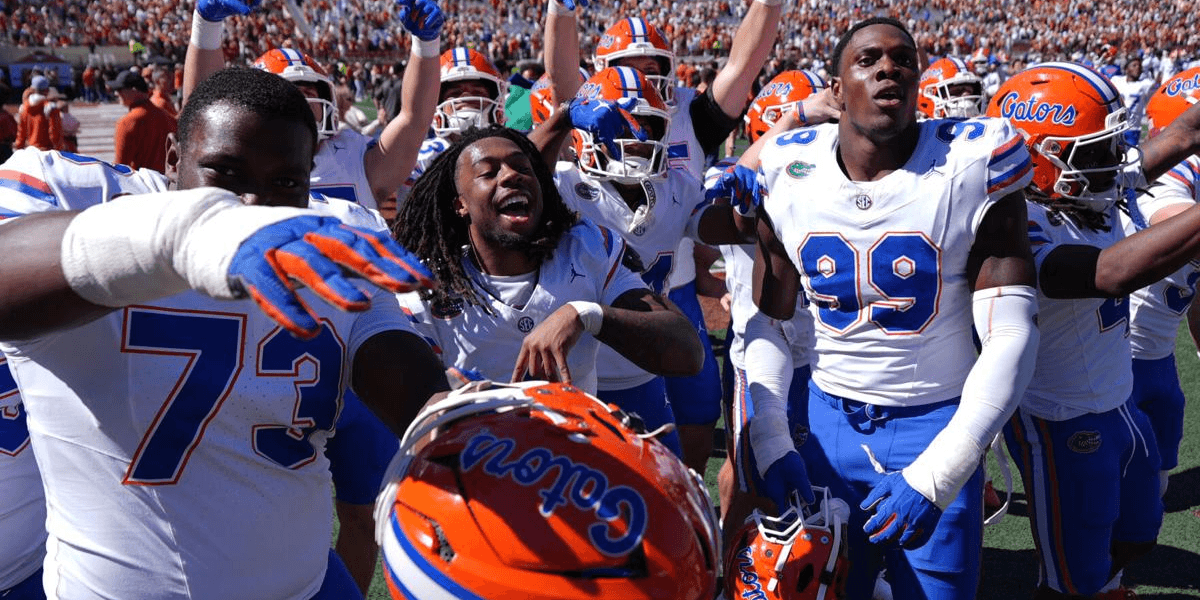
The Florida Gators defeated the Texas Longhorns 27–24 on Saturday, October 17, securing a road victory in a college football matchup that tested both teams’ ability to execute under pressure.
The result gave Florida a narrow win in a contest where the three-point margin made individual possessions particularly important. Texas, playing at home, was unable to secure the victory despite keeping the game within reach through the closing stages.
College football games during the middle portion of the season can influence conference positioning, postseason discussions and the assessment of teams’ overall performance. While one result does not determine a season, victories against challenging opponents can strengthen a program’s position and provide evidence of its competitive capabilities.
For Florida, the victory offered a positive result to build on as the team continued its schedule. For Texas, the defeat created an opportunity to review execution and identify areas requiring improvement.
Florida Secures a Narrow Victory
The 27–24 final score reflected a contest in which the difference between winning and losing was relatively small. In games decided by a field goal or less, teams must manage possessions carefully and limit mistakes that provide opponents with additional opportunities.
Florida’s victory demonstrated its ability to finish the contest ahead of Texas. However, the score alone does not establish which individual plays were most decisive or whether one team controlled every phase of the game.
Football outcomes emerge from several connected factors, including offensive production, defensive pressure, special teams and decisions made by coaching staffs. A team may perform well in one area while facing difficulties in another.
Coaches typically review game footage to evaluate blocking assignments, defensive positioning, passing decisions and the execution of specific plays. That analysis helps determine whether the result reflected repeatable strengths or circumstances that need further examination.
For Florida, the immediate priority was to preserve the positive aspects of the performance while preparing for the next opponent. For Texas, the task was to assess the defeat without losing sight of the opportunities remaining in the season.
The Importance of Road Games
Winning away from home presents challenges that differ from playing in a familiar stadium. Visiting teams must adjust to the opposing crowd, travel arrangements and the routines associated with an unfamiliar environment.
Crowd noise can complicate communication between offensive players, particularly when teams rely on audible instructions at the line of scrimmage. Travel can also affect preparation schedules and recovery, although the impact varies among teams.
A road victory can therefore provide useful evidence of a team’s ability to maintain its preparation and execution under different conditions.
For Florida, defeating Texas away from home added a meaningful result to its season record. The broader significance depends on how the Gators perform in subsequent games and how the victory fits into the competitive structure of their schedule.
Texas, meanwhile, must respond to the loss while continuing to use its home venue as an advantage in future contests.
College Football’s Competitive Landscape
College football combines athletic competition with a broad institutional and commercial environment. Universities invest in coaching, facilities, recruiting, sports medicine and player development to maintain competitive programs.
Games also generate substantial interest among alumni, students and supporters. Attendance, broadcasting and sponsorship arrangements connect college football to the wider sports and entertainment industries.
The financial circumstances of individual programs vary, and a single game result does not establish a university’s financial performance. Athletic departments must manage operating expenses, staffing, travel, facilities and other commitments throughout the season.
Competition can also influence university visibility, although the effects of athletic success on enrollment or institutional reputation depend on numerous factors beyond football results.
For supporters, the immediate appeal remains the contest itself. A closely fought game provides a clear example of how small differences in execution can determine the outcome.
Preparation and Performance Under Pressure
Teams facing a demanding schedule must balance tactical preparation with player health and recovery. Football places physical demands on athletes through repeated collisions, sprinting, blocking and changes of direction.
Coaching staffs and medical personnel must monitor player condition while preparing for opponents with different tactical approaches. Roster depth becomes particularly important when injuries or fatigue affect the availability of key players.
Preparation also involves identifying the strengths and weaknesses of upcoming opponents. Coaches study film, review statistical patterns and develop game plans designed to create favorable situations.
However, those plans must be adapted as a game unfolds. Opponents may change defensive coverage, introduce unfamiliar formations or adjust their play-calling in response to developments on the field.
The ability to respond to those changes can distinguish a successful performance from one in which a team struggles to regain control.
What Comes Next
Florida’s 27–24 victory over Texas provided an important result during the college football season, but the long-term implications will depend on subsequent performances.
The Gators will need to maintain consistency and address any weaknesses revealed during the game. Texas will have an opportunity to review its performance and prepare for the next stage of its schedule.
For both programs, the season remains a broader test of preparation, adaptability and execution. A single victory can strengthen confidence, while a defeat can identify areas where adjustments are necessary.
The contest also illustrated why college football remains compelling to a national audience. Close games can remain unresolved until the final possessions, requiring players and coaches to sustain their performance under pressure.
Florida emerged with the win on Saturday, while Texas was left to regroup. The next games will provide a clearer indication of how each team builds on the result.

Today US Contributor
Wesley Trent
Covers American sport, from the league storylines to the athletes carrying them.
This article features partner, contributor, or branded content from a third party. Members of the Today US editorial staff were not involved in the creation of this content. All views and opinions are those of the contributor alone.

You may also like

Memorra: Best Innovative Technology Startup in Arizona of 2026

David A. Ward Sr.: The Human Side of Safety

From Military Service To Veterinary Leadership: The Veteran Legacy Of Animal Hospital Of Sullivan County

Virtual Vet Visits for $65: How TelaVets Is Changing the Pet Care Experience

Nexuslive Limited Is Transforming Sports Data And Live Streaming For A More Connected Digital World