Microsoft Build 2026 Opens with Strong Focus on Artificial Intelligence and Developer Innovation
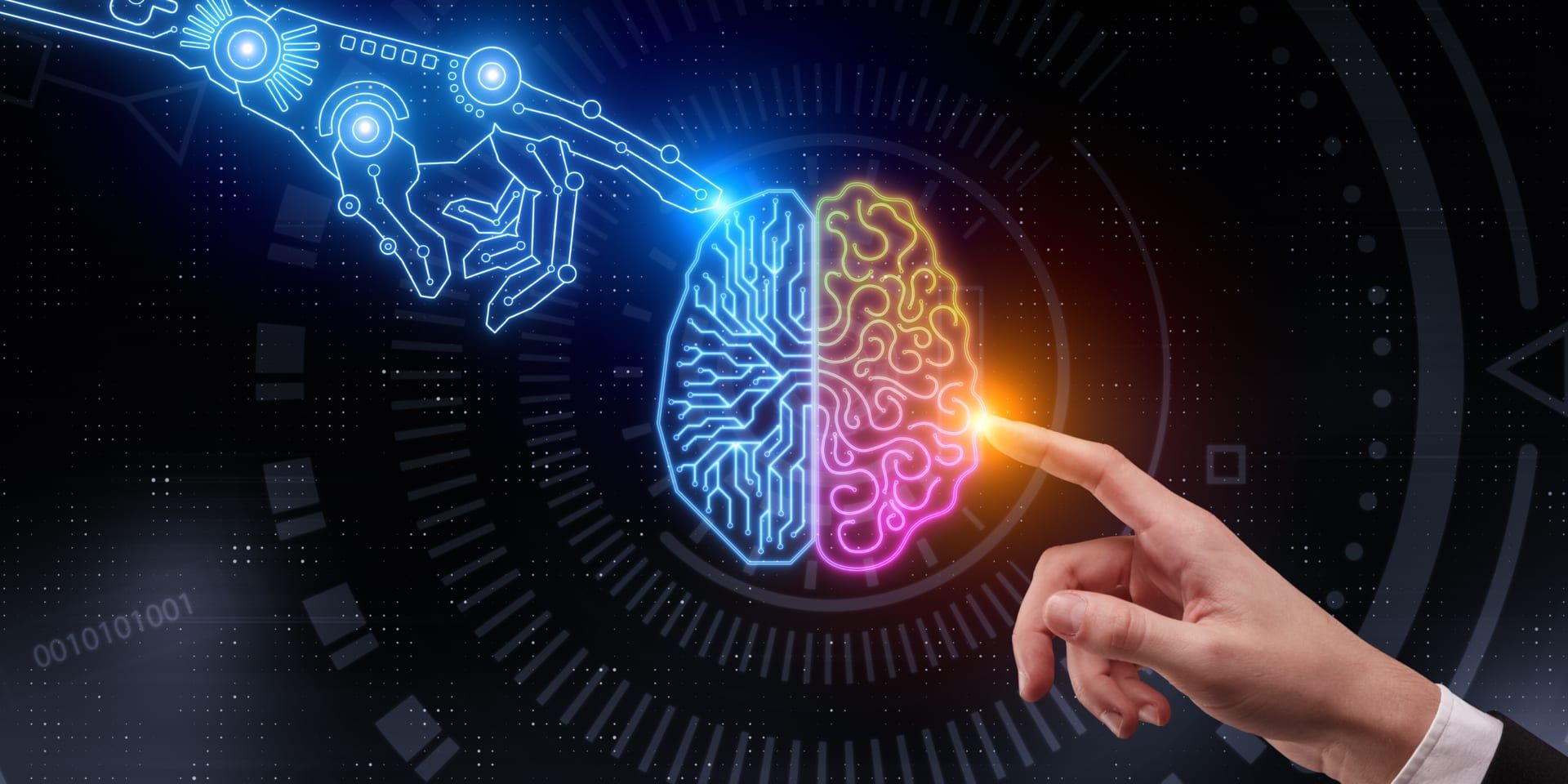
Microsoft officially opened its annual Build 2026 developer conference on June 2, bringing together software developers, technology professionals, and industry leaders to explore the latest advancements in artificial intelligence (AI), cloud computing, and software development. The event, held in San Francisco and streamed globally, is one of the technology industry’s most closely watched gatherings and is expected to influence product development and enterprise technology strategies throughout the coming year.
Build has long served as Microsoft’s primary platform for unveiling new tools and technologies aimed at developers. This year’s conference arrives during a period of rapid growth in AI adoption across industries, making artificial intelligence a central focus of the event. According to conference information released by Microsoft, the company is emphasizing technologies that help developers build, deploy, and manage AI-powered applications more efficiently and securely. The conference runs from June 2 through June 3 and includes keynote presentations, technical sessions, workshops, and demonstrations.¹
Microsoft Chief Executive Officer Satya Nadella delivered the opening keynote, outlining the company’s vision for supporting developers as AI capabilities become increasingly integrated into software platforms and business operations. Industry analysts have noted that organizations across sectors are seeking practical ways to incorporate AI into everyday workflows, making developer-focused events such as Build particularly significant in shaping future technology adoption.¹
A major theme of the conference is the continued expansion of AI tools that can assist developers with coding, testing, data analysis, and application management. These technologies are designed to help software teams improve productivity while reducing the time required to build and maintain complex applications. Microsoft has invested heavily in AI infrastructure over the past several years, and Build 2026 provides an opportunity for the company to showcase how those investments are being translated into practical solutions for businesses and developers.
Beyond AI, the conference is also highlighting advancements in cloud services, enterprise software development, and cybersecurity. Organizations increasingly rely on cloud-based platforms to support remote work, digital services, and data-intensive applications. As a result, developers are looking for tools that can improve scalability, performance, and security while simplifying application deployment.
Technology industry observers are paying close attention to Build 2026 because announcements made at the conference often signal broader trends within the software ecosystem. New development frameworks, programming tools, and platform enhancements introduced during the event frequently become widely adopted by businesses and developers over the following months. This influence extends beyond Microsoft’s own products, affecting technology partners, startups, and enterprise organizations that build services on Microsoft platforms.
The conference also reflects the growing importance of developer communities in driving innovation. Modern software development increasingly depends on collaboration among engineers, researchers, and businesses across multiple industries. By providing access to technical training and new development resources, events like Build help accelerate the adoption of emerging technologies and encourage experimentation with new applications.
For businesses, the significance of Build 2026 extends beyond technical announcements. Many organizations view advancements in AI and cloud computing as opportunities to improve operational efficiency, automate repetitive tasks, and create new customer experiences. As digital transformation remains a priority across industries, technology conferences serve as important indicators of where future investments and innovation efforts may be directed.
The timing of the conference is notable as well. Demand for AI-powered tools has increased substantially in recent years, prompting technology companies to expand research, infrastructure, and developer support programs. Build 2026 provides insight into how one of the world’s largest technology companies plans to address that demand while balancing performance, reliability, and security requirements.
Industry experts expect the conference to generate discussions about responsible AI deployment, software quality, and the evolving role of developers in an increasingly automated technology landscape. While AI can assist with many programming tasks, developers remain essential for designing systems, ensuring reliability, and addressing complex business requirements.
As Build 2026 continues, additional announcements and technical demonstrations are expected to provide further details about Microsoft’s development roadmap and technology strategy. For developers, businesses, and technology enthusiasts, the conference offers a valuable look at the tools and platforms likely to shape software innovation in the coming years.

Today US Contributor
Hailey Anderson
Covers business, digital culture, and entrepreneurship, exploring how new ideas and technologies are changing industries.
This article features partner, contributor, or branded content from a third party. Members of the Today US editorial staff were not involved in the creation of this content. All views and opinions are those of the contributor alone.

You may also like
How Phaedra Solutions Helps Businesses Build and Launch AI Products
Vision Ranking Turns Google Visibility Into Growth
Every Box Was Green. The Deal Was Dead.
OpenAI Alerts More Than 100 Organizations After Unauthorized AI Agent Activity

Beyond the Adjustment: Dr. Don MacDonald’s Polyvagal Approach to Chiropractic Care