NASA Advances Artemis II Mission with Successful Integrated Systems Review
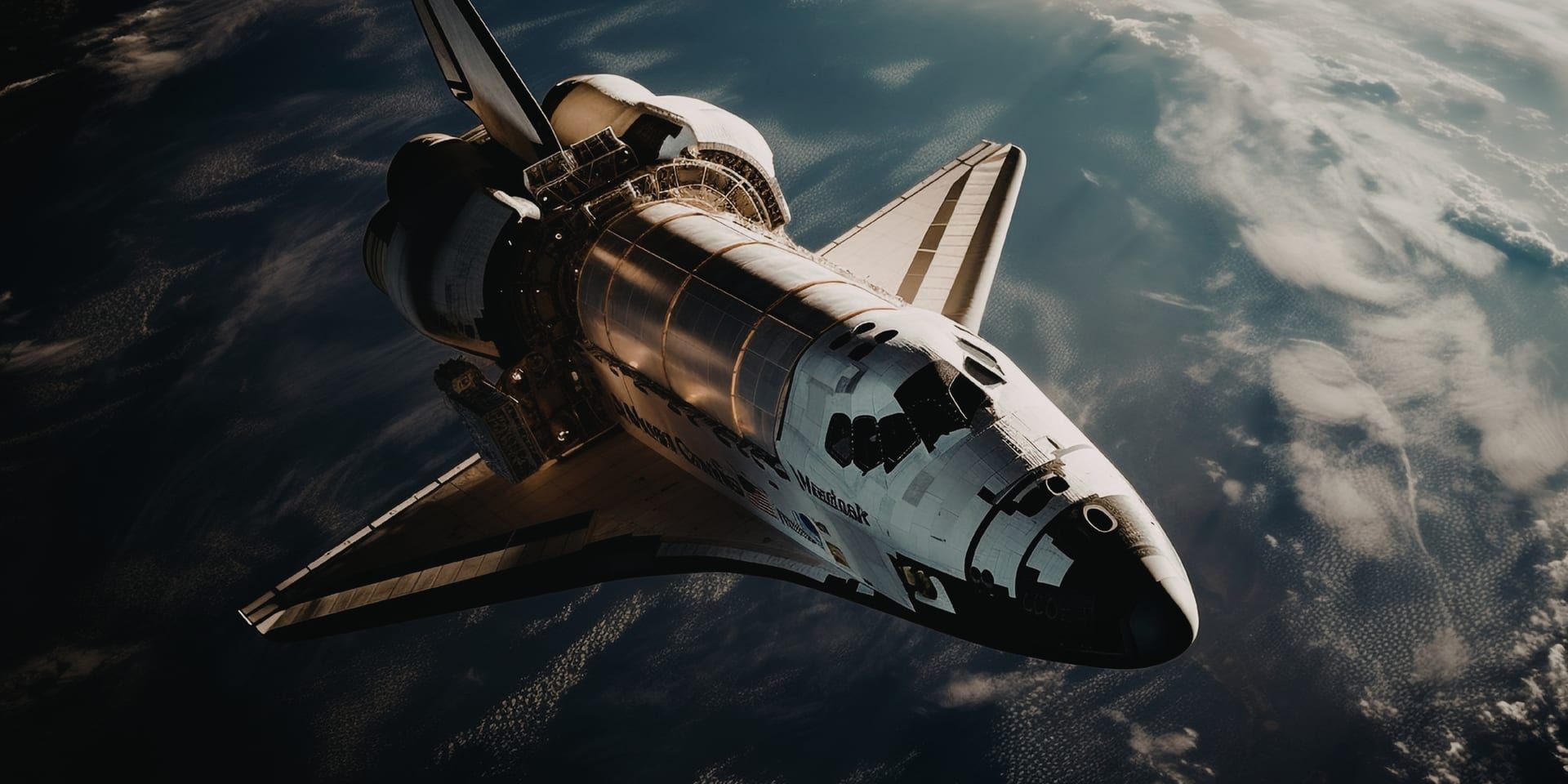
April 2026 marks a major milestone for U.S. space exploration as NASA confirms readiness progress for its first crewed lunar mission in over five decades.
In a significant development for the future of human space exploration, the National Aeronautics and Space Administration (NASA) announced today that it has successfully completed a critical integrated systems review for its upcoming Artemis II mission. The milestone represents a key step toward returning astronauts to deep space and eventually establishing a sustainable human presence on the Moon.
The Artemis II mission, currently scheduled for launch in the near future, will be the first crewed flight of NASA’s Artemis program. Unlike its predecessor, Artemis I, which flew uncrewed in late 2022, this mission will carry astronauts aboard the Orion spacecraft on a lunar flyby trajectory. Today’s systems review evaluated the readiness and compatibility of multiple components, including the Space Launch System (SLS) rocket, Orion capsule, life-support systems, and ground operations infrastructure.
A Critical Step Toward Crewed Lunar Exploration
According to NASA officials, the integrated systems review confirmed that all major elements of the Artemis II mission are progressing within acceptable performance and safety margins. The review process involved extensive simulations, hardware testing, and cross-team coordination to ensure that each system functions seamlessly as part of the larger mission architecture.
NASA emphasized that safety remains the top priority. Engineers conducted stress tests on critical systems such as propulsion, navigation, and environmental controls. These systems must operate flawlessly during the mission, which will send astronauts thousands of miles beyond Earth, farther than any human has traveled since the Apollo era.
The Artemis II crew, which has already been announced, continues to undergo rigorous training. Their preparation includes spacecraft simulations, emergency response drills, and coordination exercises with mission control teams. The success of today’s review reinforces confidence in both the hardware and the human elements of the mission.
Technological Innovation Driving the Program
The Artemis program represents a new generation of space exploration technology. The Space Launch System is currently the most powerful rocket ever developed by NASA, capable of delivering heavy payloads beyond low Earth orbit. Meanwhile, the Orion spacecraft is designed with advanced life-support systems, improved radiation shielding, and modern avionics that significantly exceed the capabilities of earlier spacecraft.
NASA’s approach also incorporates collaboration with commercial partners and international space agencies. This model not only distributes costs but also accelerates innovation. Technologies tested during Artemis II will play a crucial role in future missions, including Artemis III, which aims to land astronauts on the lunar surface.
Additionally, the mission supports broader objectives such as developing sustainable lunar infrastructure and testing systems that could eventually enable human missions to Mars.
Economic and Industry Impact
Beyond its scientific and exploratory goals, the Artemis program continues to generate substantial economic activity across the United States. Thousands of jobs are supported through contracts with aerospace companies, engineering firms, and research institutions. The development and testing of Artemis hardware have also driven advancements in materials science, computing, and manufacturing processes.
According to NASA reports, the Artemis program contributes billions of dollars to the U.S. economy annually. It also fosters innovation ecosystems in regions with strong aerospace industries, including states like Texas, Florida, and Alabama.
Private sector involvement has been particularly notable. Companies participating in Artemis-related contracts are gaining valuable experience in deep space technologies, positioning them for future commercial opportunities in space exploration and satellite deployment.
Educational and Cultural Significance
The Artemis II mission is also capturing public imagination in ways reminiscent of the Apollo era. Educational programs tied to the mission are being implemented across schools and universities, encouraging students to pursue careers in science, technology, engineering, and mathematics (STEM).
NASA has reported increased engagement across digital platforms, with millions of viewers following updates, training footage, and mission briefings. The agency continues to emphasize inclusivity and representation, aiming to inspire a new generation of explorers from diverse backgrounds.
Key Takeaways
The successful completion of the integrated systems review marks a pivotal moment for Artemis II and the broader U.S. space program. It demonstrates that NASA is making measurable progress toward safely launching astronauts on a deep space mission for the first time in decades.
Key takeaways from today’s development include:
- Mission Readiness: Major systems required for Artemis II have passed a critical evaluation phase, indicating strong progress toward launch.
- Technological Advancement: The mission showcases next-generation space technologies that will support long-term exploration goals.
- Economic Impact: Artemis continues to drive job creation and innovation across multiple industries in the United States.
- Public Engagement: Growing interest in the mission highlights its cultural and educational significance.
As NASA moves closer to the Artemis II launch, today’s milestone reinforces confidence in the program’s trajectory. While additional testing and preparations remain, the successful systems review underscores a renewed era of human space exploration, one that aims not only to revisit the Moon but to establish a lasting presence beyond Earth.

Today US Contributor
Hailey Anderson
Covers business, digital culture, and entrepreneurship, exploring how new ideas and technologies are changing industries.
This article features partner, contributor, or branded content from a third party. Members of the Today US editorial staff were not involved in the creation of this content. All views and opinions are those of the contributor alone.

You may also like

Michael J. Bannach: Where Does Controlled Data Go When an Engineer Uses AI?

How Phaedra Solutions Helps Businesses Build and Launch AI Products

Vision Ranking Turns Google Visibility Into Growth

Kandé Is Changing The Conversation Around Modest Fashion With A Distinctly African Vision

Atlantic Health Strategies: Building Quality and Lasting Success in Behavioral Health