Nippon Steel’s $14.9 Billion Bid for U.S. Steel Sparks Political and Labor Backlash
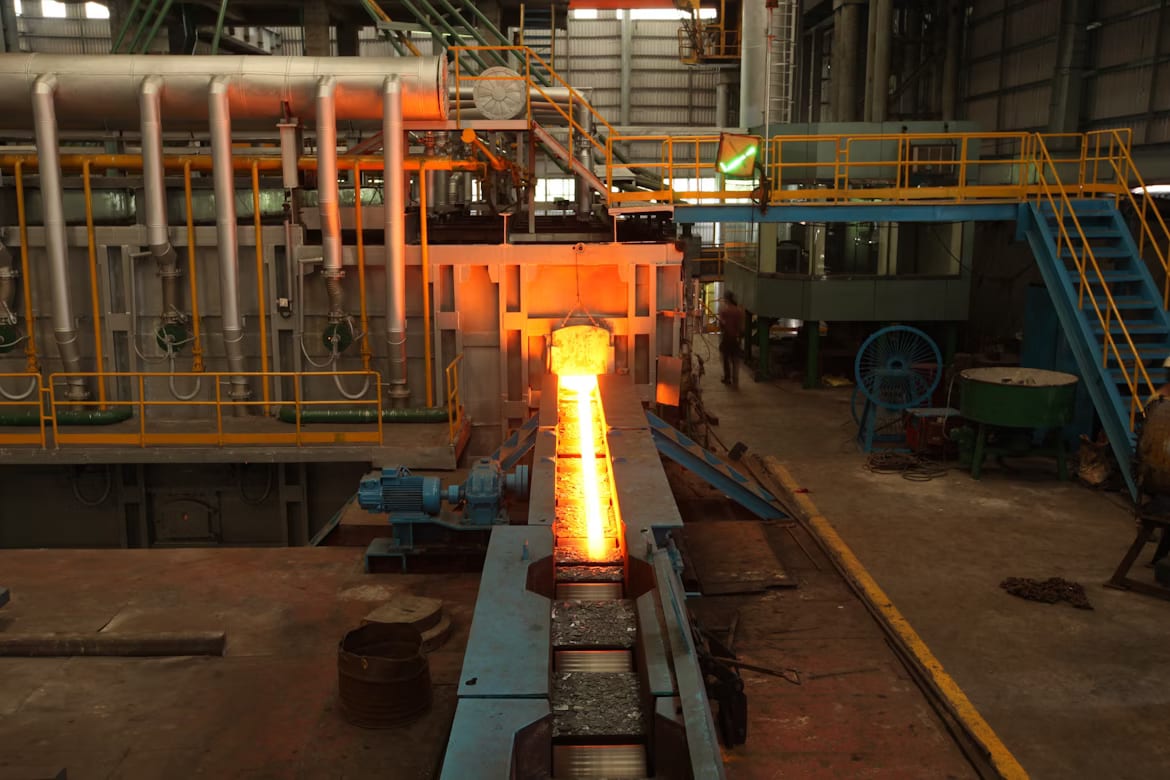
The $14.9 billion acquisition of U.S. Steel by Japan’s Nippon Steel is facing strong resistance from U.S. lawmakers and labor unions, who warn that the deal could threaten national security and lead to job losses. The proposed takeover is now under federal review, with scrutiny from the Department of Justice (DOJ) and the Committee on Foreign Investment in the United States (CFIUS).
Opposition Grows Over National Security and Jobs
Critics argue that selling a key U.S. industry to a foreign company could pose economic and security risks, particularly in sectors like defense and infrastructure that rely on domestic steel production.
The United Steelworkers union has voiced strong opposition, fearing that the deal could lead to plant closures, reduced labor protections, and potential job cuts. Lawmakers from steel-producing states—including Senators John Fetterman (D-PA) and Sherrod Brown (D-OH)—have urged regulators to block the transaction.
“We cannot afford to lose control of an industry that is so essential to our economy and our military,” Fetterman stated, emphasizing the strategic importance of keeping U.S. steel production under domestic control.
Regulatory Review and Potential Roadblocks
The deal is currently under DOJ review, and CFIUS may launch an investigation into its national security implications. If CFIUS finds the acquisition a risk, it could recommend blocking the deal or imposing conditions to protect U.S. interests.
While Nippon Steel has pledged to maintain U.S. Steel’s workforce and production facilities in the U.S., skeptics remain unconvinced.
Could the Deal Benefit U.S. Steel?
Proponents argue that Nippon Steel’s investment could modernize U.S. Steel’s operations, making the company more competitive in the global market. They also point to successful foreign acquisitions in the past that did not result in mass layoffs.
However, the political climate suggests that foreign takeovers of U.S. critical industries are facing greater scrutiny. If the deal is blocked, it could signal a shift toward stricter regulations on foreign investment in strategic sectors.
What’s Next?
As regulators weigh their decision, the battle over U.S. Steel’s future is shaping up to be a test case for foreign investment in American manufacturing. If the deal goes through, it could redefine U.S.-Japan business relations. If it fails, it may mark the beginning of a tougher stance on foreign ownership of key U.S. industries.
The final decision will have far-reaching implications for workers, investors, and the broader steel industry, shaping the future of American industrial policy in the years ahead.

Today US Contributor
Hailey Anderson
Covers business, digital culture, and entrepreneurship, exploring how new ideas and technologies are changing industries.
This article features partner, contributor, or branded content from a third party. Members of the Today US editorial staff were not involved in the creation of this content. All views and opinions are those of the contributor alone.

You may also like

Atlantic Health Strategies: Building Quality and Lasting Success in Behavioral Health

Evolve Leadership And Development Leads From Within

From Struggling to Breathe to Building Everwild Apothecary: Corey Gawryl’s Journey to Natural Wellness

Kandé Is Changing The Conversation Around Modest Fashion With A Distinctly African Vision

Michael J. Bannach: Where Does Controlled Data Go When an Engineer Uses AI?