Peaceful Households Through Ancient Wisdom
How Dr. Samuel Eshleman Latimer blends hunter-gatherer wisdom with modern science to end family conflict.
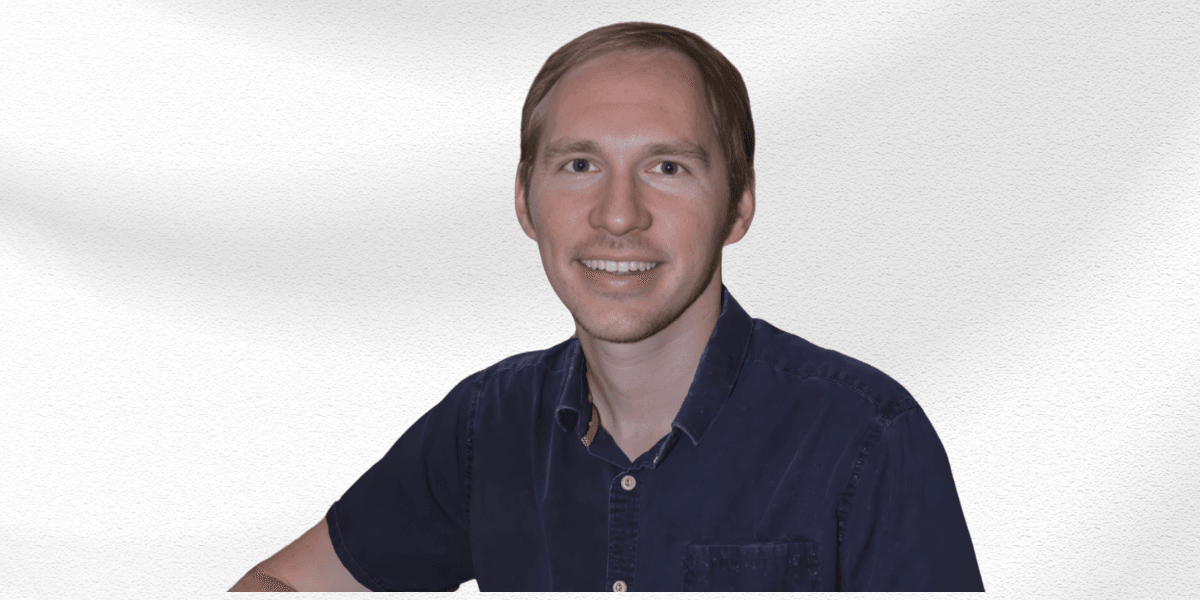
Every parent knows the exhaustion of the daily power struggle. The battle over the phone. The argument about the dishes. The sense that no matter how often you ask, nothing changes. Dr. Samuel Eshleman Latimer believes these struggles are not inevitable. In fact, he believes the solution has been with humanity for thousands of years, hidden in the daily rhythms of the earliest human communities.
The Mission Behind Fostering Growth and Cooperation
Dr. Eshleman Latimer, PsyD, is a psychologist who specializes in family conflict management. He holds a doctorate in clinical psychology and is a PhD candidate in social psychology at the Graduate Centre for Advanced Studies. That rare dual training, clinical and social, shapes everything he does. It allows him to see conflict not only as a private struggle inside a single family, but as part of a larger social fabric.
He founded Fostering Growth and Cooperation to pursue a clear and ambitious goal: building peaceful, thriving families while reducing the societal polarization that so often begins at home. For Dr. Eshleman Latimer, the family is where cooperation is first learned or first lost. When households heal, communities grow stronger.
Through his organization, he mentors clinicians and students while guiding families and couples toward lasting change. His programs include Couples Building Cooperation and Resilience, Parenting with Less Power Struggles, and Relationships and Anxiety. Each one shares a common foundation: conflict is not something to win. It is something to transform.
Where Science Meets Ancient Wisdom
What sets Dr. Eshleman Latimer apart is his holistic approach to conflict management. He does not rely on a single method or a single tradition. Instead, he weaves together modern psychological research and the accumulated wisdom of hunter-gatherer societies.
On the scientific side, he draws on dialectical behavior therapy, the evidence-based approach developed by Marsha Linehan. On the ancestral side, he integrates the work of anthropologists and writers such as David Lancy, who studied the anthropology of childhood, and Michaeleen Doucleff, author of Hunt, Gather, Parent. He has also interviewed Elena Bridgers, whose work explores motherhood and fatherhood in hunter-gatherer communities.
"It is incredibly important that we integrate the anthropology of childhood and also understanding of hunter-gatherer societies into the cooperative household work that we do in modern society," he explains. He uses these principles for one simple reason. They work in modern households.
The Family-Centered Model
One of the central ideas in his Family Peace Program is the family-centered model of communication. Most power struggles, he observes, revolve around what one person wants for themselves or what they believe the other person needs. That framing traps families in the same arguments again and again.
The shift happens with a change in language. Instead of asking what is best for me or what is best for you, Dr. Eshleman Latimer teaches families to ask what is best for the family right now. That single reframing moves attention away from the contest of wills and toward a shared purpose. Suddenly, cooperation feels natural rather than forced.
Autonomy Is Not Independence
Another cornerstone of his teaching is the distinction between autonomy and independence. The difference sounds subtle, but understanding it can reshape an entire household.
Independence, taken to an extreme, means doing things alone and by yourself. Dr. Eshleman Latimer points out that no human is truly independent. We are born dependent, and we remain interdependent until the day we die. He notes that isolation carries serious consequences, with research suggesting its effect on health can rival that of cigarette smoking. People do need privacy and quieter moments, and those needs deserve respect. Yet true isolation is not the goal.
Autonomy is different. Autonomy means allowing others to do what they want without constant interference, control, or critique. When he loads the dishwasher, he does it his way. When someone else does it, he does not hover or correct. He grants them the freedom to do the task their way.
This freedom works only when paired with a family mindset. He offers a memorable image. Picture a solar system where the family is the sun and each member is a planet in steady orbit. People can enjoy real autonomy as long as they still revolve around the group, guided by shared values that care for everyone, not just one individual. When those values are modeled through behavior, freedom does not lead to selfishness. It leads to trust.
Letting Go of Control
Dr. Eshleman Latimer is honest about the resistance this idea can meet. Parents and partners worry that granting freedom will produce chaos, with family members retreating to their rooms or ignoring everyone else. He sees this as a misunderstanding of how autonomy functions.
The practice is to notice the moments you interfere with tasks that could be done many different ways, then to step back. Rather than repeatedly telling a spouse to put down the phone, he suggests a gentler orientation. Occasionally he might say, "I think what's best for the family right now is that we all put down our phones." That statement points toward the group. What he avoids is the constant command to get off the phone, because frequent control reads as selfishness and invites selfishness in return.
These principles scale beautifully. They can be applied with toddlers and young children, then extended to adults. The result is not only a calmer household but relief for the person who has carried the heavy burden of control. Letting go, he acknowledges, is not easy. But it is possible, and it is freeing.
A Voice Beyond the Consulting Room
Dr. Eshleman Latimer has carried this message well beyond individual families. He has delivered public talks and workshops at respected institutions, including Columbia University and a children's hospital, teaching others how to manage conflict with wisdom and skill. His dual expertise gives these sessions a depth that purely clinical or purely academic approaches often lack.
His passion is clear in everything he teaches. He is not simply treating symptoms. He is helping families rediscover a way of living together that humans have practiced for millennia, now supported by the best of modern science.
Begin Your Family Peace Journey
If the daily power struggles in your home have left you tired and discouraged, there is a better path. Dr. Eshleman Latimer and Fostering Growth and Cooperation offer practical, science-backed, time-tested tools to build a household rooted in cooperation rather than control. Explore the Family Peace Program, discover the couples and parenting courses, and learn how a small shift in language and mindset can transform your family life. Those interested may visit the website or reach out directly at samuel@fosteringgrowthandcooperation.com to take the first step toward a more peaceful home.
Explore More About Fostering Growth and Cooperation
Connect through the website, Facebook, Instagram, and YouTube.

This article features partner, contributor, or branded content from a third party. Members of the Today US editorial staff were not involved in the creation of this content. All views and opinions are those of the contributor alone.

You may also like
There Is No Buy Now Button on Your Brain
From Orphanage to Congressional Recognition: Scarlet’s Inspiring Journey of Resilience and Success

From Struggling to Breathe to Building Everwild Apothecary: Corey Gawryl’s Journey to Natural Wellness

Kandé Is Changing The Conversation Around Modest Fashion With A Distinctly African Vision

Preston Nelson Writes To Survive And Thrive