SpaceX Reaches New Milestone in Space Exploration with Starship Launch
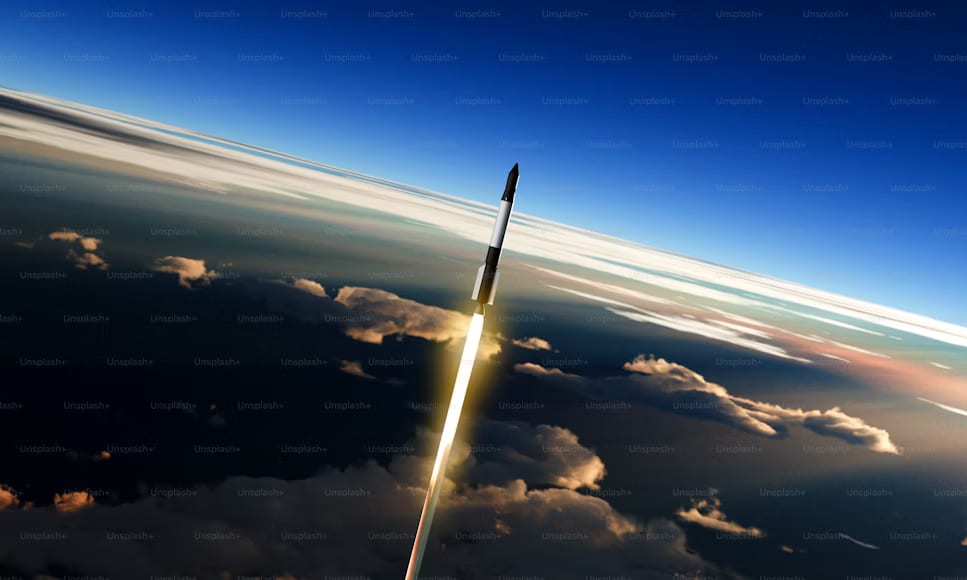
SpaceX has successfully launched its Starship spacecraft, marking a groundbreaking achievement in commercial space exploration. This test flight, conducted on March 1, 2024, signifies a major step toward making space travel more affordable and accessible through reusable technology, as well as laying the foundation for future interplanetary missions.
A Historic Moment for SpaceX and the Space Industry
The launch of Starship from SpaceX’s Boca Chica, Texas, facility not only demonstrated the company’s impressive technical capabilities but also highlighted the potential of reusable rocket technology in revolutionizing space travel. The spacecraft, designed for deep-space missions, successfully reached orbital altitude before performing a controlled descent, showcasing the viability of rapid reusability—a key component of SpaceX’s strategy to reduce the cost of space exploration.
CEO Elon Musk called the successful launch a “critical step” toward achieving the vision of humanity becoming a multi-planetary species. He noted that this is not just a technological leap for SpaceX, but a step closer to making deep-space exploration a reality for humankind.
Starship’s Role in NASA’s Artemis Program
One of the most significant aspects of the Starship launch is its role in NASA’s Artemis program, which aims to return astronauts to the Moon by the mid-2020s. Starship is expected to serve as the spacecraft that will transport astronauts from lunar orbit to the Moon’s surface and back to orbit, playing a pivotal role in NASA’s efforts to establish a sustainable human presence on the Moon.
With its massive payload capacity of over 100 metric tons, Starship is not only designed to carry astronauts, but also cargo, including equipment for scientific research, habitats, and other critical supplies for long-term lunar and Martian exploration.
Overcoming Technical Hurdles
While the launch was deemed a success, challenges remain. The heat shield technology, which protects Starship during re-entry into Earth’s atmosphere, requires further refinement. Ensuring that the spacecraft can land with precision and develop the capability for in-orbit refueling is essential for future deep-space missions, particularly those beyond the Moon, like the planned Mars missions.
Starship is the largest and most powerful rocket ever built, standing nearly 400 feet tall. Its massive size and power will be crucial in transporting large payloads for NASA’s Artemis missions and SpaceX’s own goals of sending crewed missions to Mars.
A New Era of Exploration
This launch propels SpaceX to the forefront of the next generation of space exploration. With the success of Starship, the company is well-positioned to play a crucial role in future interplanetary missions, including human voyages to Mars. The spacecraft’s ability to refuel in orbit and its reusability are key advancements that make deep-space missions feasible in the long term.
SpaceX plans to conduct several more test flights throughout 2024, with the goal of refining Starship’s systems and getting closer to operational missions. If all goes according to plan, the company aims to launch its first operational lunar mission by 2026, further solidifying its place in the future of space exploration.
The successful test flight of Starship on March 1, 2024, has proven that reusable spacecraft are no longer a distant dream. With SpaceX at the helm, humanity’s ambition of reaching beyond Earth and establishing a presence on the Moon, Mars, and beyond is becoming increasingly achievable.

Today US Contributor
Hailey Anderson
Covers business, digital culture, and entrepreneurship, exploring how new ideas and technologies are changing industries.
This article features partner, contributor, or branded content from a third party. Members of the Today US editorial staff were not involved in the creation of this content. All views and opinions are those of the contributor alone.

You may also like

Michael J. Bannach: Where Does Controlled Data Go When an Engineer Uses AI?
NASA Tests Advanced Heat Shield Technology for Future Moon and Mars Missions

How Phaedra Solutions Helps Businesses Build and Launch AI Products

From Orphanage to Congressional Recognition: Scarlet’s Inspiring Journey of Resilience and Success

From Struggling to Breathe to Building Everwild Apothecary: Corey Gawryl’s Journey to Natural Wellness