Tight Leaderboard Sets Stage for Dramatic Weekend at the 2026 PGA Championship
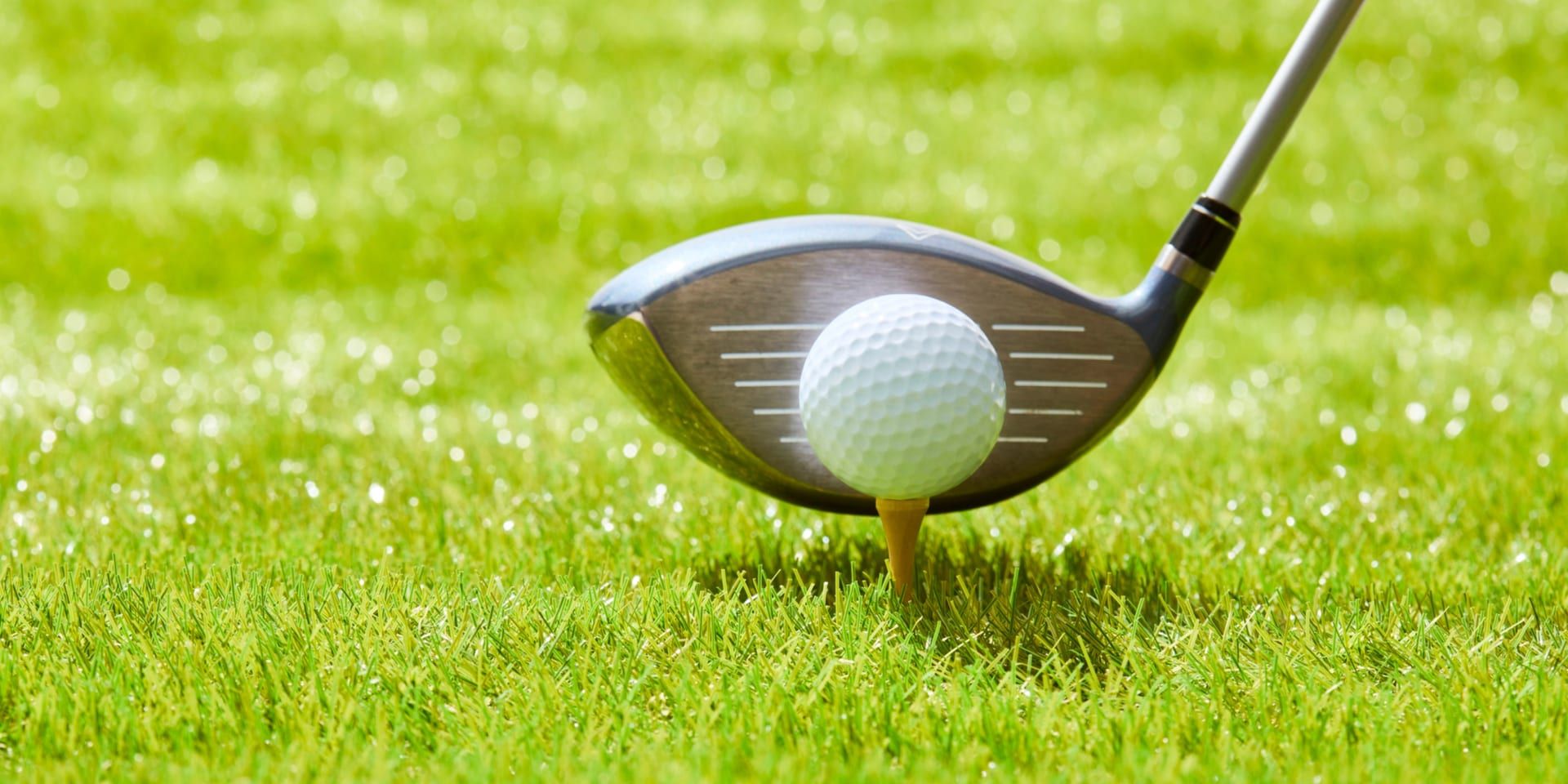
The 2026 PGA Championship entered a pivotal stage on Friday as a tightly packed leaderboard emerged after two demanding rounds at Aronimink Golf Club in Pennsylvania. With more than two dozen players still within striking distance of the lead, the tournament has quickly become one of the most competitive major championships of the year, drawing strong national attention from golf fans and sports analysts alike.
American golfers Maverick McNealy and Alex Smalley finished the second round tied for the lead at four-under-par, navigating difficult course conditions that challenged even some of the sport’s biggest stars. Their consistent performances placed them at the center of a crowded leaderboard heading into the weekend rounds.
The PGA Championship, one of golf’s four major tournaments, has long been known for rewarding composure and precision under pressure. This year’s edition has proven especially demanding due to tough pin placements, fast greens, and unpredictable scoring conditions. Defending champion Scottie Scheffler remained firmly in contention only two shots behind the leaders, while Rory McIlroy rebounded with a strong second-round 67 after a difficult opening day.
Several players commented publicly on the difficulty of the course setup. Scheffler described the pin locations as some of the hardest he has faced in recent competition, highlighting the technical challenge Aronimink has presented throughout the tournament. Despite those conditions, many lesser-known players managed to stay competitive, contributing to one of the most unpredictable major leaderboards in recent memory.
The crowded standings have created considerable excitement ahead of the tournament’s final two rounds. According to reports, more than 25 golfers remained within four shots of the lead after Friday’s play, meaning that a strong round over the weekend could dramatically shift the standings.
For fans and analysts, one of the most notable storylines has been the resilience shown by experienced veterans alongside emerging talent. Jon Rahm, Jordan Spieth, and Ludvig Åberg all stayed within range despite inconsistent rounds, while players such as David Puig and Stephan Jaeger delivered unexpectedly steady performances. Jaeger, in particular, gained attention for completing a remarkable round consisting entirely of pars, demonstrating the value of patience and course management under difficult conditions.
The championship has also highlighted the depth of talent currently shaping professional golf in the United States and internationally. While established names continue to draw large audiences, the strong performances from younger or less-publicized competitors suggest the sport is entering another period of broad competitive balance. That parity has helped maintain fan engagement throughout the tournament and increased anticipation for the weekend conclusion.
Another significant aspect of this year’s championship has been the unexpectedly high number of notable players missing the cut. Bryson DeChambeau, Viktor Hovland, Tommy Fleetwood, and Garrick Higgo were among those eliminated before the weekend rounds began. Higgo narrowly missed the cut after receiving a two-stroke penalty for tardiness, an incident that became one of the tournament’s more widely discussed moments on Friday.
The PGA Championship remains one of the premier events in global sports, attracting extensive television audiences and major sponsorship interest. This year’s event has benefited from strong media coverage and growing fan enthusiasm surrounding competitive major championships. The tournament also reflects the continued commercial strength of professional golf in the United States, particularly as networks and streaming platforms expand coverage options for viewers.
Broadcasters reported strong interest in weekend viewing schedules, with expanded television and streaming coverage available across ESPN+, CBS, and other platforms. The accessibility of the tournament through digital services has helped younger audiences follow live scoring and featured groups in real time, contributing to the sport’s broader modernization efforts.
Looking ahead, the final two rounds are expected to test both physical endurance and mental discipline. Aronimink’s challenging design leaves little margin for error, especially as pressure intensifies late in the tournament. Players who can avoid costly mistakes while adapting to shifting weather and course conditions are likely to emerge as serious contenders for the Wanamaker Trophy.
The tournament’s current competitive balance also raises the possibility of a breakthrough victory by a first-time major champion. At the same time, experienced stars such as Scheffler and McIlroy remain well positioned to capitalize if the leaders falter. That combination of established champions and emerging contenders has created one of the most compelling major championship weekends in recent years.
As the PGA Championship moves into its decisive rounds, fans across the United States will be watching closely to see whether the leaders can maintain their composure or whether another contender rises from the crowded field. Regardless of the outcome, the first two rounds have already delivered a memorable showcase of high-level competition and the enduring appeal of championship golf.

This article features partner, contributor, or branded content from a third party. Members of the Today US editorial staff were not involved in the creation of this content. All views and opinions are those of the contributor alone.
You may also like

How Phaedra Solutions Helps Businesses Build and Launch AI Products

Vision Ranking Turns Google Visibility Into Growth
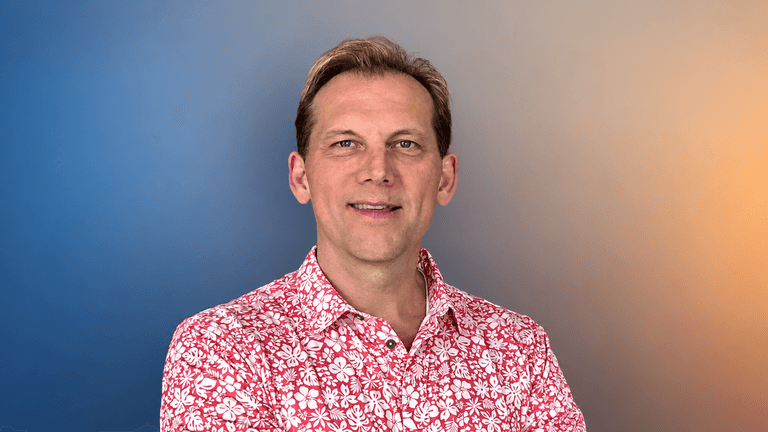
Beyond the Adjustment: Dr. Don MacDonald’s Polyvagal Approach to Chiropractic Care
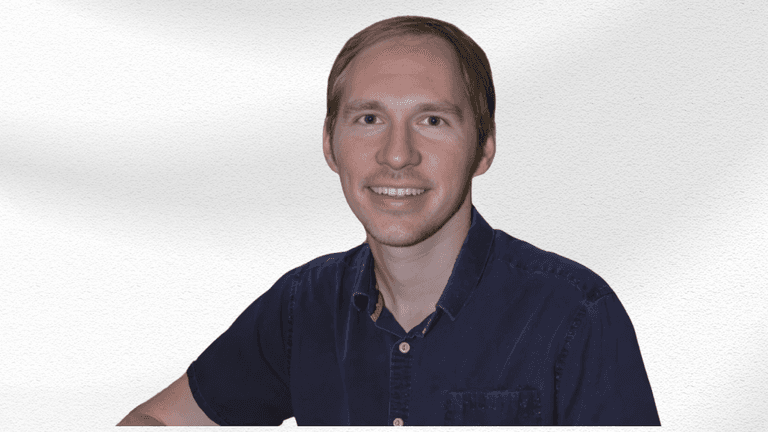
Peaceful Households Through Ancient Wisdom

Every Box Was Green. The Deal Was Dead.