NASA Advances Artemis II Preparations as Crew Systems Enter Final Testing Phase
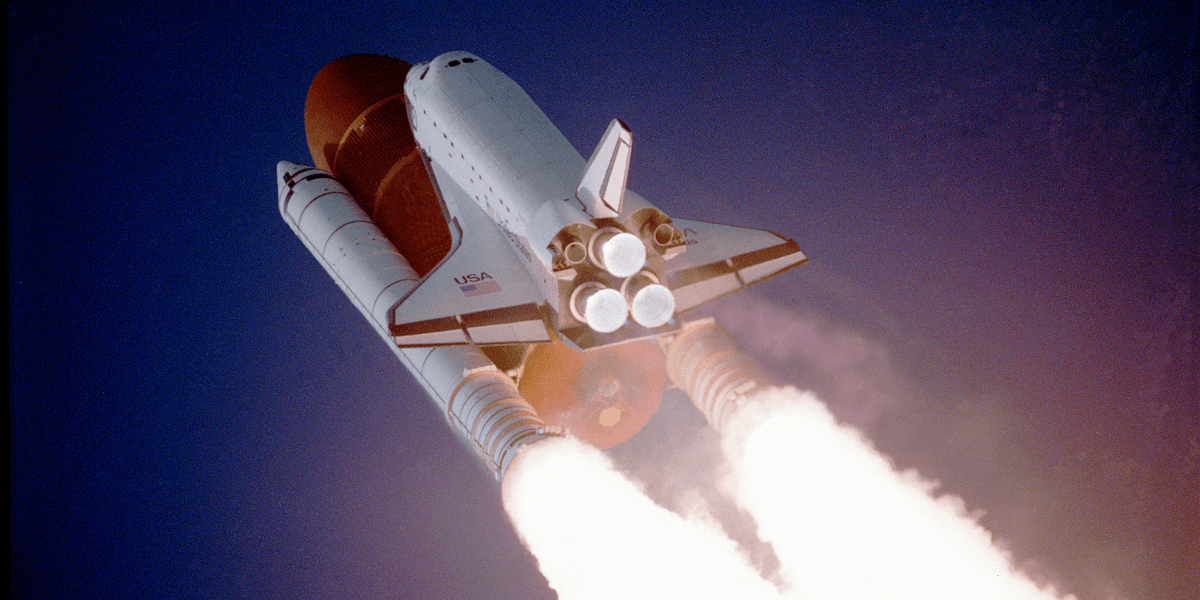
In a significant step forward for human space exploration, NASA announced today that critical systems for the Artemis II mission have entered their final phase of integrated testing. The milestone marks a major development in the agency’s efforts to return astronauts to deep space for the first time in over five decades, reinforcing the United States’ leadership in next-generation spaceflight.
Artemis II, scheduled for launch within the next year, will be NASA’s first crewed mission under the Artemis program. Unlike its predecessor, Artemis I—which successfully completed an uncrewed lunar orbit test in late 2022—this mission will carry astronauts aboard the Orion spacecraft on a trajectory around the Moon before returning to Earth. Today’s update confirms that life support systems, navigation technologies, and crew safety protocols are now undergoing comprehensive validation at NASA’s Kennedy Space Center in Florida.
Integrated Testing Enters Final Stage
According to NASA officials, the current phase involves end-to-end system checks designed to simulate real mission conditions. Engineers are testing the Orion capsule’s Environmental Control and Life Support System (ECLSS), which is responsible for maintaining air quality, temperature, and pressure for astronauts during the multi-day mission.
“Achieving this stage means that we are transitioning from component-level verification to mission-level readiness,” NASA stated in its official release. “Every system must perform flawlessly in tandem to ensure astronaut safety and mission success.”
In addition to life support validation, teams are conducting rigorous assessments of the spacecraft’s heat shield—one of the most critical components for reentry. The shield must withstand temperatures exceeding 2,700 degrees Celsius as Orion returns to Earth’s atmosphere at high velocity.
Crew Training Progresses Alongside Technology
While hardware testing continues, the Artemis II crew has also reached an advanced stage of mission preparation. Training includes simulations of launch procedures, deep-space navigation, and emergency scenarios. Astronauts are working closely with mission control teams to refine communication protocols and operational workflows.
NASA has emphasized that human factors remain central to the program’s success. “This mission is not just about engineering—it’s about ensuring that our crew can operate effectively in one of the most demanding environments ever encountered,” the agency noted.
A Strategic Step Toward Lunar Exploration
The Artemis program is designed as a multi-phase initiative aimed at establishing a sustainable human presence on and around the Moon. Artemis II serves as a crucial bridge between initial testing and the more ambitious Artemis III mission, which aims to land astronauts on the lunar surface.
Today’s announcement underscores the broader significance of Artemis II within this long-term vision. By validating crewed deep-space travel systems, the mission will provide essential data for future lunar landings and potential missions to Mars.
Industry analysts note that the program is also driving innovation across the aerospace sector. Partnerships with private companies have accelerated the development of advanced propulsion systems, modular spacecraft components, and next-generation materials.
Economic and Technological Impact
Beyond its scientific goals, Artemis II is contributing to economic growth within the United States. The program supports thousands of jobs across multiple states, spanning engineering, manufacturing, and research sectors. Suppliers and contractors involved in the mission have reported increased demand for specialized components and services.
The initiative is also fostering advancements in related technologies, including robotics, artificial intelligence, and telecommunications. These innovations have potential applications beyond space exploration, ranging from healthcare to environmental monitoring.
Key Takeaways for Readers
- Progress Toward Crewed Deep Space Missions: The successful transition to final integrated testing indicates that Artemis II is on track, bringing humanity closer to sustained exploration beyond low Earth orbit.
- Focus on Safety and Reliability: Extensive system validation highlights NASA’s emphasis on minimizing risk in crewed missions, particularly in environments far from immediate rescue capabilities.
- Broader Innovation Benefits: The technologies developed for Artemis II are likely to influence multiple industries, demonstrating the far-reaching impact of space programs.
- Economic Contributions: The mission continues to generate employment and investment opportunities, reinforcing the role of aerospace as a key driver of economic activity.
Looking Ahead
NASA plans to complete the current testing phase in the coming months, followed by final mission readiness reviews. If all milestones are met, Artemis II will proceed toward launch preparations, marking a historic return of astronauts to lunar orbit.
As the United States advances its ambitions in space exploration, today’s developments represent more than just technical progress—they signal a renewed commitment to pushing the boundaries of human capability. With Artemis II moving closer to reality, the next chapter of deep-space exploration is rapidly taking shape.

Today US Contributor
Hailey Anderson
Covers business, digital culture, and entrepreneurship, exploring how new ideas and technologies are changing industries.
This article features partner, contributor, or branded content from a third party. Members of the Today US editorial staff were not involved in the creation of this content. All views and opinions are those of the contributor alone.

You may also like

Michael J. Bannach: Where Does Controlled Data Go When an Engineer Uses AI?

How Phaedra Solutions Helps Businesses Build and Launch AI Products

Vision Ranking Turns Google Visibility Into Growth
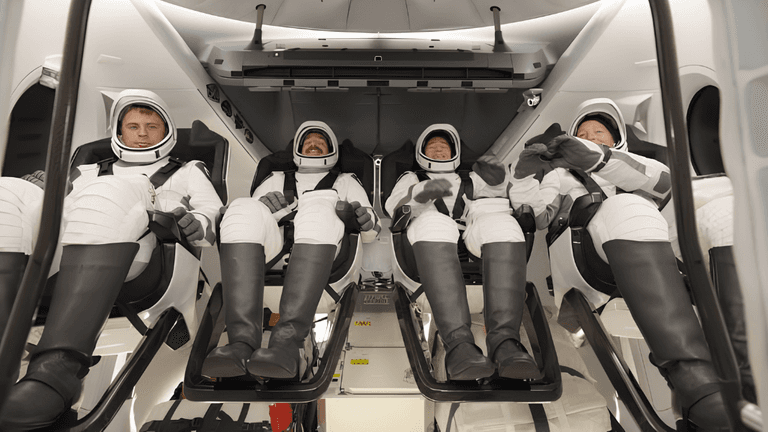
NASA and SpaceX Prepare Crew-12 Astronauts for Return From the International Space Station

Kandé Is Changing The Conversation Around Modest Fashion With A Distinctly African Vision