NASA Reconnects with Voyager 1 After Extended Silence, Resumes Data Transmission
April 22, 2024
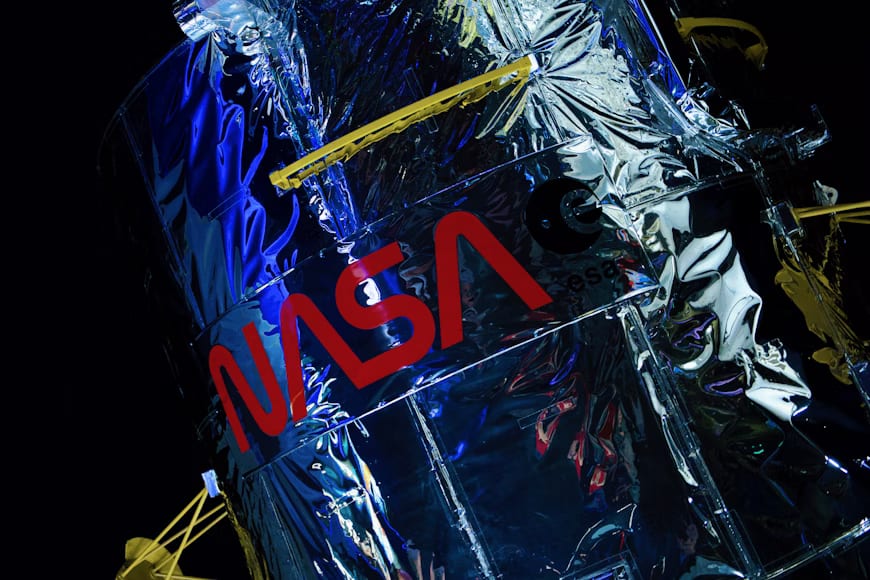
In a remarkable feat of engineering and perseverance, NASA has successfully reestablished communication with its Voyager 1 spacecraft after a five-month silence. Launched in 1977, Voyager 1, now in interstellar space, experienced a significant communications outage but has resumed transmitting valuable scientific data once again.
The Cause of the Communications Disruption
The issue began in November 2023, when NASA’s Jet Propulsion Laboratory (JPL) detected unusual signals from Voyager 1. Engineers traced the problem to a malfunctioning computer chip in the spacecraft’s telemetry system, which disrupted its ability to send clear data back to Earth. With Voyager 1 more than 15 billion miles away, this technical glitch created an immense challenge for the team, as every signal sent or received from the spacecraft takes approximately 22.5 hours to travel each way.
Troubleshooting the problem was slow and methodical, with engineers sending commands to Voyager 1, waiting a full day for the spacecraft to respond, and analyzing the data before attempting to fix the issue. This process continued for several months, as the distance made quick fixes or immediate feedback impossible.
An Ingenious Solution for an Aging Spacecraft
Unable to repair Voyager 1 physically, the engineers at NASA had to get creative. They developed a clever software workaround: reprogramming the spacecraft’s flight computer to bypass the malfunctioning chip and reroute data through an alternative pathway. This reprogramming was done in multiple stages, taking extra precautions to ensure that no critical systems would be disrupted in the process.
After several months of intense work, NASA engineers were finally able to send the necessary commands, and on April 22, 2024, they received confirmation that Voyager 1 had resumed transmitting readable scientific data.
Voyager 1’s Enduring Legacy in Space Exploration
Despite its advanced age—nearly 47 years since launch—Voyager 1 remains an invaluable tool in our understanding of space beyond our solar system. The spacecraft continues to collect and transmit data on cosmic rays, magnetic fields, and interstellar plasma, shedding light on the environment between the stars. Even as its power supply dwindles over time, scientists are exploring ways to extend its operational life, ensuring it remains a key asset for research in the years to come.
Looking to the Future
While Voyager 1’s successful recovery is a testament to the ingenuity of NASA’s team, it also serves as a reminder of the extraordinary challenges and rewards involved in long-term space missions. As the spacecraft moves further into the unknown, NASA remains committed to maximizing its contribution to science. This achievement reinforces NASA’s remarkable ability to adapt and maintain missions, even in the most remote and hostile environments in space exploration.
Voyager 1’s revival from its communication blackout is not just a triumph for technology; it symbolizes human ingenuity at the very frontiers of space.

Today US Contributor
Hailey Anderson
Covers business, digital culture, and entrepreneurship, exploring how new ideas and technologies are changing industries.
This article features partner, contributor, or branded content from a third party. Members of the Today US editorial staff were not involved in the creation of this content. All views and opinions are those of the contributor alone.

You may also like

Michael J. Bannach: Where Does Controlled Data Go When an Engineer Uses AI?
NASA Tests Advanced Heat Shield Technology for Future Moon and Mars Missions

How Phaedra Solutions Helps Businesses Build and Launch AI Products

Vision Ranking Turns Google Visibility Into Growth

From Struggling to Breathe to Building Everwild Apothecary: Corey Gawryl’s Journey to Natural Wellness