Ursid Meteor Shower Peaks on Longest Night of the Year, Offering a Subtle Solstice Spectacle Across the Northern Hemisphere
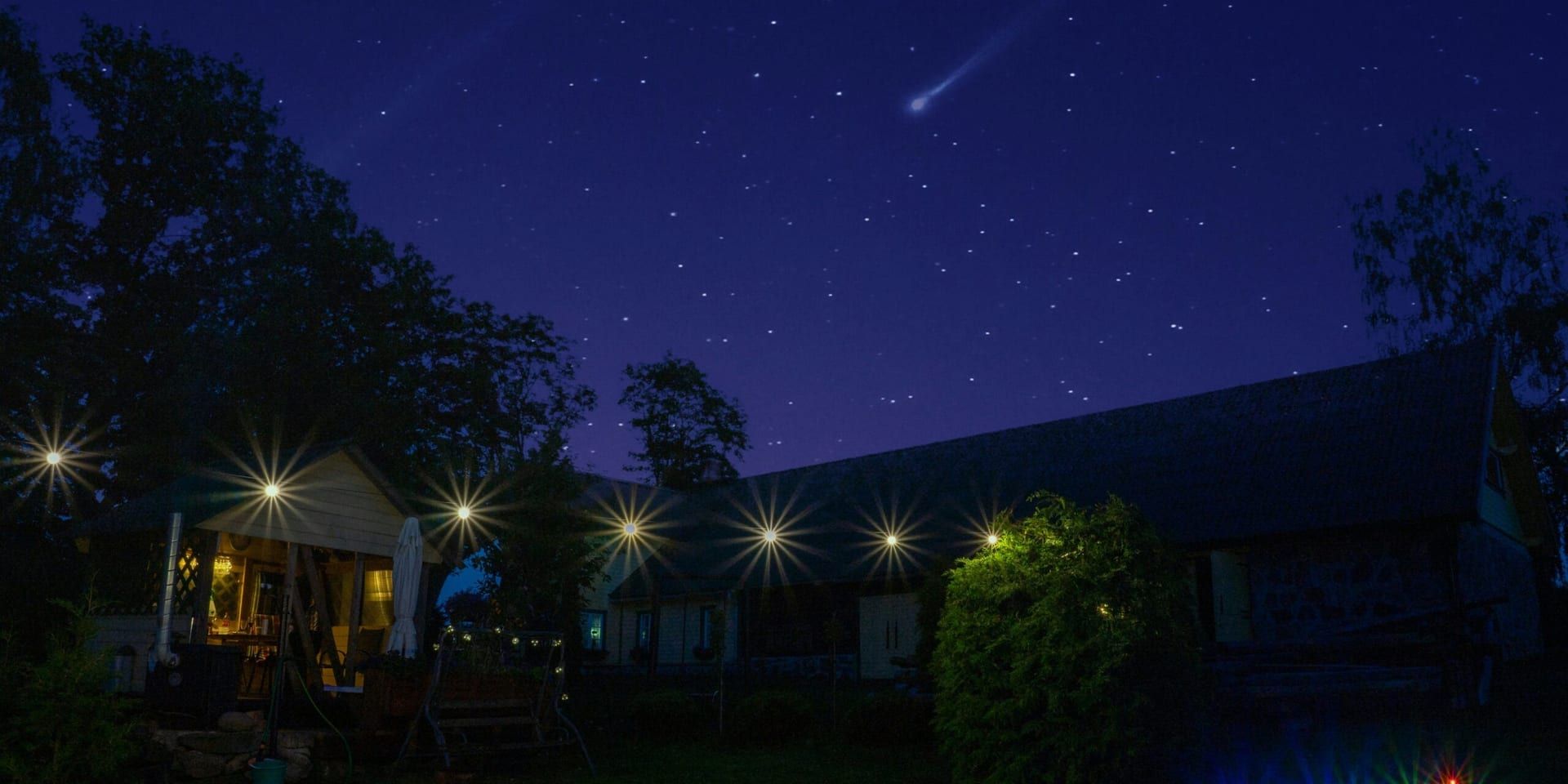
As the Northern Hemisphere marked the winter solstice, skywatchers were presented with a fitting celestial companion to the longest night of the year: the peak of the annual Ursid meteor shower. Though more understated than some of the year’s better-known meteor displays, the Ursids delivered a seasonal highlight for astronomy enthusiasts and casual observers alike, particularly thanks to unusually favorable viewing conditions in 2025.
The Ursid meteor shower is active each year from approximately December 17 through December 26, with peak activity typically occurring around December 21 or 22. This timing places the shower in close alignment with the winter solstice, when nights are at their longest and daylight hours at their shortest. In 2025, that coincidence proved especially appealing, as clear skies and minimal moonlight combined to enhance visibility across many parts of the United States and other regions of the Northern Hemisphere.
Unlike prolific meteor showers such as the Perseids in August or the Geminids earlier in December, the Ursids are known for modest activity. Under ideal conditions, observers can usually expect to see around five to ten meteors per hour at peak. While these numbers may seem small by comparison, astronomers emphasize that the Ursids’ appeal lies in their timing and atmosphere rather than sheer volume. The quiet stillness of a winter night, paired with the symbolic turning point of the solstice, gives the shower a reflective quality that resonates with many observers.
The Ursids originate from debris left behind by Comet 8P/Tuttle, a short-period comet that orbits the Sun roughly every 13.6 years. As Earth passes through the comet’s dust trail each December, small particles enter the planet’s atmosphere at high speed and burn up, creating brief streaks of light. These meteors appear to radiate from the constellation Ursa Minor, also known as the Little Dipper, located in the northern sky. The shower takes its name from this constellation, which is also home to Polaris, the North Star.
In 2025, the viewing conditions were particularly favorable due to the timing of the moon. With the moon in a nearly new phase during the Ursid peak, lunar light interference was minimal, allowing darker skies than in many previous years. Astronomers noted that low moonlight is especially important for a shower like the Ursids, whose meteors can be faint and easy to miss under brighter skies. Observers who traveled away from city lights to rural or dark-sky locations reported the best results.
Skywatching guides recommended that observers head outside late Sunday night into the early hours of Monday morning, when the radiant point of the shower was higher in the sky. While the meteors appear to originate from Ursa Minor, experts advised against staring fixedly at that constellation. Instead, scanning a wide area of the sky and allowing the eyes time to adjust to darkness increases the chances of spotting meteors as they streak across different regions of the sky.
Weather conditions varied across the country, influencing viewing opportunities. Parts of the Midwest, Southwest, and interior West benefited from clear or mostly clear skies during the peak window, while cloud cover and winter storms limited visibility in some northern and coastal areas. As is often the case with meteor showers, local conditions played a decisive role, reminding observers that patience and flexibility are key components of successful stargazing.
The Ursids’ alignment with the winter solstice added cultural and symbolic significance to the event. For centuries, the solstice has marked an important moment in human calendars, representing both the depth of winter and the gradual return of longer days. The appearance of shooting stars on this night offered a natural reminder of Earth’s place within a larger cosmic cycle, a theme that resonated with many observers during the reflective holiday season.
Astronomers also value the Ursid meteor shower for scientific reasons. Because it is associated with a specific comet and a relatively compact debris stream, the shower provides opportunities to study how gravitational forces, particularly from Jupiter, influence the distribution of cometary material over time. In some years, these interactions can produce unexpected increases in activity, known as outbursts. While 2025 did not produce such an event, ongoing observations help refine models of comet behavior and meteor stream evolution.
Public interest in meteor showers has continued to grow, fueled by increased access to astronomy education and real-time skywatching updates. Even quieter showers like the Ursids play a role in encouraging people to look up, step outside, and engage with the night sky. Astronomy organizations often point out that winter meteor showers, despite colder temperatures, can be especially rewarding due to longer nights and reduced atmospheric haze.
For many casual stargazers, the Ursids provided a peaceful alternative to larger, more crowded astronomical events. Their relatively low activity and late-December timing often result in solitary or small-group viewing experiences, aligning naturally with the contemplative mood of the season. Observers frequently note that even a single meteor can leave a lasting impression, particularly when witnessed against a crisp winter sky.
As the Ursid meteor shower gradually tapers off in the days following the solstice, attention will turn toward the astronomical events of the coming year. Yet for those who ventured out on the longest night of 2025, the Ursids offered a gentle reminder that even subtle cosmic displays can provide moments of wonder and connection, closing out the year with a quiet but meaningful flourish.

This article features partner, contributor, or branded content from a third party. Members of the Today US editorial staff were not involved in the creation of this content. All views and opinions are those of the contributor alone.

You may also like

From Struggling to Breathe to Building Everwild Apothecary: Corey Gawryl’s Journey to Natural Wellness

Kandé Is Changing The Conversation Around Modest Fashion With A Distinctly African Vision

Preston Nelson Writes To Survive And Thrive

Beyond The Message: How Good Quality Human Is Redefining California Lifestyle Wear

Michael J. Bannach: Where Does Controlled Data Go When an Engineer Uses AI?