Amazon Plans Major U.S. Drone Delivery Expansion to Nearly 500 Cities
Amazon announced a major expansion of its Prime Air drone-delivery service on Wednesday, saying the program is expected to reach nearly 500 U.S. cities and towns by the end of the year. The planned expansion would increase the service's footprint roughly sixfold and bring autonomous aerial delivery to tens of millions of additional customers.
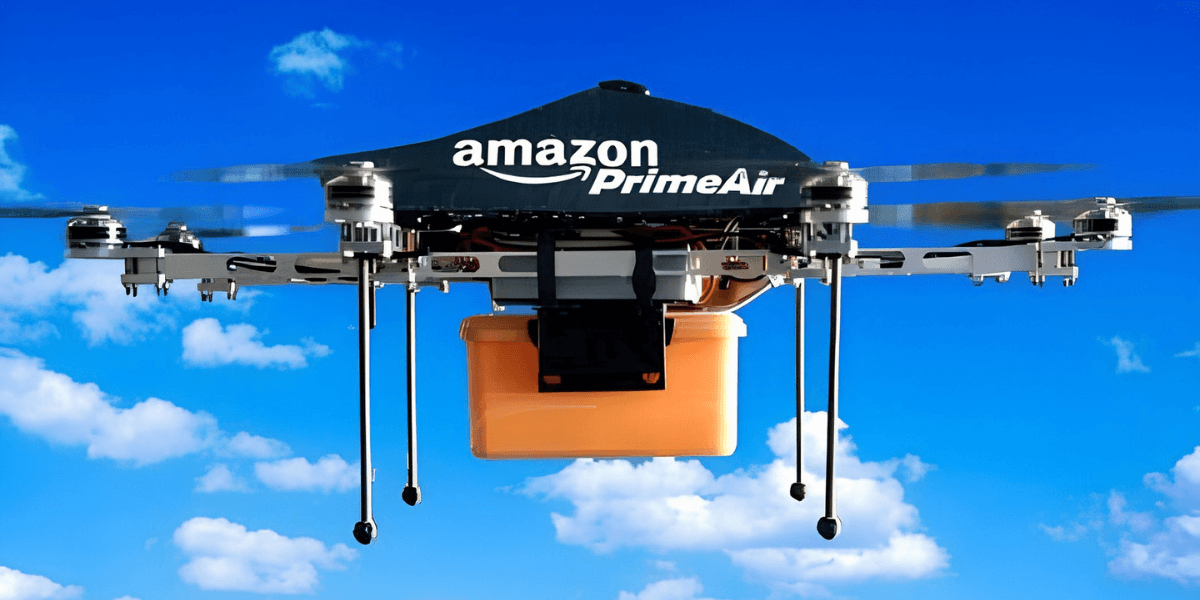
The announcement marks a significant step in Amazon's effort to make drone delivery a regular part of its logistics network rather than a limited experiment. Prime Air currently operates from 11 U.S. locations covering 10 metropolitan areas, including communities in Arizona, Florida, Kansas, Louisiana, Michigan, Nebraska and Texas.
From experiment to larger delivery network
Amazon first publicly introduced its drone-delivery concept more than a decade ago. The company has since developed several generations of aircraft and gradually moved the technology into commercial operations.
The latest expansion would take Prime Air from its current limited footprint into hundreds of communities. Amazon said new metropolitan areas planned for the rollout include Chicago, Cleveland, Atlanta, Syracuse and Boise, with additional locations expected later in the year.
The company said Prime Air can deliver millions of eligible products in as little as 30 minutes. The drones are designed to transport packages weighing up to five pounds, making the service particularly suited to smaller household purchases and other lightweight orders.
How the technology works
Prime Air is designed to operate as part of Amazon's existing shopping system. Customers in eligible locations can see the drone-delivery option during the normal shopping and checkout process.
Each Prime Air location serves an area of approximately 175 square miles, according to Amazon. The company said its drones use onboard cameras, sensors and an automated Detect-and-Avoid system to monitor their surroundings and make real-time flight decisions.
At the delivery destination, the drone checks that the designated area is clear of people, animals and vehicles before lowering the package.
The system is intended to reduce the need for conventional road transportation for qualifying orders. Rather than sending a vehicle through traffic, the aircraft can travel directly through the air between a delivery facility and a customer's designated drop-off point.
Convenience comes with limits
The expansion does not mean drones will replace Amazon's delivery vans or other transportation systems.
Prime Air is limited to relatively small packages, and individual customers must live within an eligible service area. Weather, geography, airspace requirements and local approvals can also affect where the service can operate.
Amazon's rollout therefore represents an additional layer of its delivery network rather than a replacement for conventional shipping.
The company said Prime Air currently makes thousands of deliveries each day and has already delivered hundreds of thousands of packages by drone during the year.
Communities will play a role
The expansion also brings new questions for communities where drone hubs are established.
Amazon must obtain local regulatory approvals for new operating locations, and residents in some communities have raised concerns about noise, safety and privacy. Reuters reported that some residents have compared drone noise to a leaf blower, while local regulatory boards have generally approved proposed expansions.
The company's planned growth will therefore test not only the technology but also public acceptance.
Each new location introduces a different environment, including varying population densities, neighborhood layouts and community expectations. Amazon's ability to maintain reliable service while addressing those concerns will be important as the program expands.
Competition in fast delivery
The move also intensifies competition over delivery speed.
Amazon has long built its retail strategy around reducing the time between an online order and delivery. Drone technology offers another way to shorten that period for certain products.
The company says Prime Air can deliver qualifying items in as little as 30 minutes, potentially giving customers a faster alternative for small purchases.
Amazon is not alone in exploring autonomous delivery. Walmart and other companies have also pursued drone-based logistics, making the technology part of a broader competition over the future of last-mile commerce.
What the expansion means for American consumers
For consumers, the most immediate impact will be greater access to an emerging delivery option.
A shopper in an eligible location could eventually order a small household item, grocery product or other qualifying purchase and receive it by autonomous drone rather than waiting for a traditional delivery vehicle.
The service could be particularly useful for customers who value rapid delivery or live relatively close to participating fulfillment facilities.
However, the expansion is still a planned rollout rather than nationwide availability. Amazon's stated goal of nearly 500 cities and towns by year's end will depend on the successful launch of additional facilities and continued regulatory approval.
Why the development matters
Amazon's announcement represents a significant development in U.S. logistics because it moves autonomous delivery toward a much larger commercial scale.
The company is attempting to integrate drones into an established retail infrastructure rather than operate them as a separate experimental service. If the expansion proceeds as planned, tens of millions of Americans could eventually have access to drone delivery for eligible purchases.
The broader significance extends beyond Amazon. The rollout will provide a large-scale test of whether autonomous aircraft can become a practical part of everyday commerce while addressing questions involving safety, noise, regulation and community acceptance.
For American consumers, the development signals that drone delivery is moving closer to ordinary use. For the technology and logistics industries, it represents another major test of whether autonomous systems can operate reliably at commercial scale.

Today US Contributor
Hailey Anderson
Covers business, digital culture, and entrepreneurship, exploring how new ideas and technologies are changing industries.
This article features partner, contributor, or branded content from a third party. Members of the Today US editorial staff were not involved in the creation of this content. All views and opinions are those of the contributor alone.

You may also like

How Phaedra Solutions Helps Businesses Build and Launch AI Products

Vision Ranking Turns Google Visibility Into Growth

Every Box Was Green. The Deal Was Dead.

OpenAI Alerts More Than 100 Organizations After Unauthorized AI Agent Activity

Beyond the Adjustment: Dr. Don MacDonald’s Polyvagal Approach to Chiropractic Care