Oliver Happy Hour Podcast Examines AI
A sibling-hosted conversation explores AI, creativity, faith, learning, and the future of human connection.
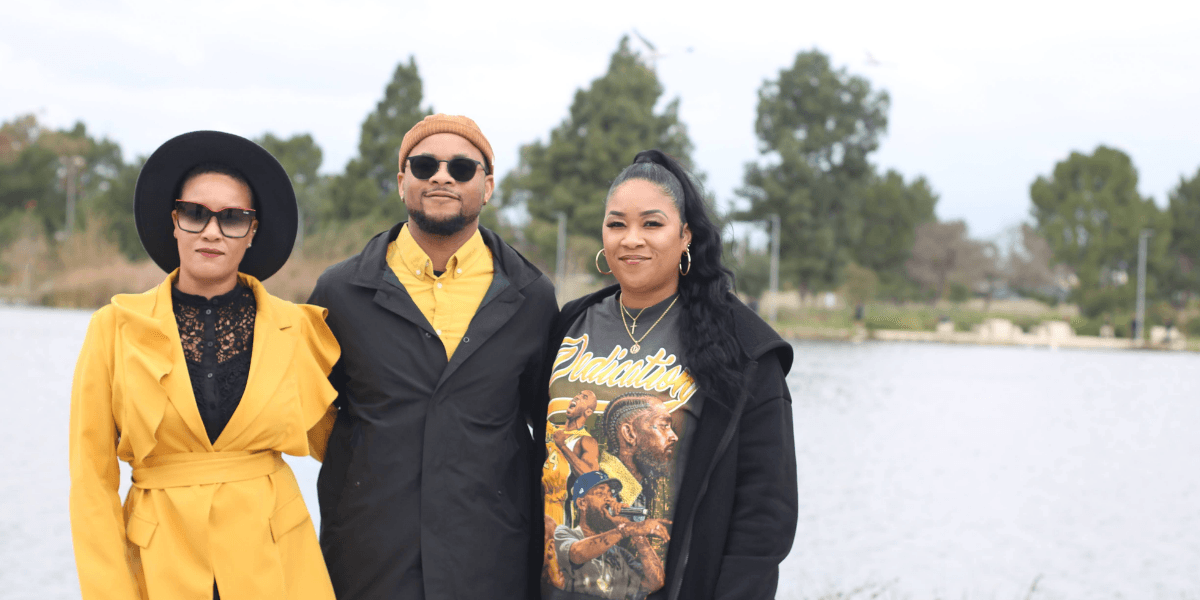
The Oliver siblings remember when their conversation about artificial intelligence shifted from curiosity to consequence. What happens when a song can be generated in seconds, software reshapes a classroom, or a conversation can be simulated without a human on the other side? On the Oliver Happy Hour (OHH) Podcast, sibling co-hosts treat these questions as cultural pressure points that reveal what people value, fear, and hope to preserve.
Oliver Happy Hour Podcast And The Sibling Lens
The OHH Podcast draws much of its identity from family chemistry. As a sibling podcast, it combines shared history with honest disagreement, creating space for serious discussions without losing warmth.
Recent Episodes 179, and 180 examine artificial intelligence as it moves into music, education, media, and creative work. Rather than focusing only on what AI can accomplish, the siblings ask what people could lose by relying on it too heavily. If machines can imitate human expression, what makes that expression worth protecting?
In this edited question-and-response feature, Daisy, Devyn, and Darrin Oliver discuss why AI has become an important subject for the show and why conversations about technology still need room for faith, doubt, humor, and critical thinking.
Question: Why has AI become such a central theme for the Oliver Happy Hour Podcast right now?
Daisy Oliver: AI is no longer an abstract technology story. It is part of the tools people use, the music they hear, the way students study, and how creators approach their work. For us, the question is not only what AI can do. It is what people may stop doing if they depend on it too much. That is where the human part of the conversation begins.
Devyn Oliver: AI is something we can not ignore. Former OpenAI and Anthropic researcher, Jacob Coxon is even talking about how AI could end all humanity by the end of this decade. I am reminded of the 2004 movie, iRobot. Remember how that movie ended? What are we going to do about it? We have to keep the conversation going, as well keep this human interaction by continuing to ask questions and put our critical thinking skills to use. We can not solely rely on AI to do the work for us. AI can help ASSIST, but not take over.
Darrin Oliver: AI is here, and it's not going away. There are major questions on how it should not only be used but regulated. I think AI is a great tool to use for tasks that we may need to complete quickly. There's concern if we lose innate abilities that make us creative human beings that can problem solve complex situations. There needs to be a balance between what we use it for, especially to keep machines from thinking they are smarter than us (collectively). If we are relying on a machine to tell us what to do we've lost our own power.
The siblings do not present OHH as a technical briefing. Instead, they approach AI as a cultural conversation, giving listeners room to consider its possibilities and consequences.
Oliver Happy Hour Podcast On Creativity And Culture
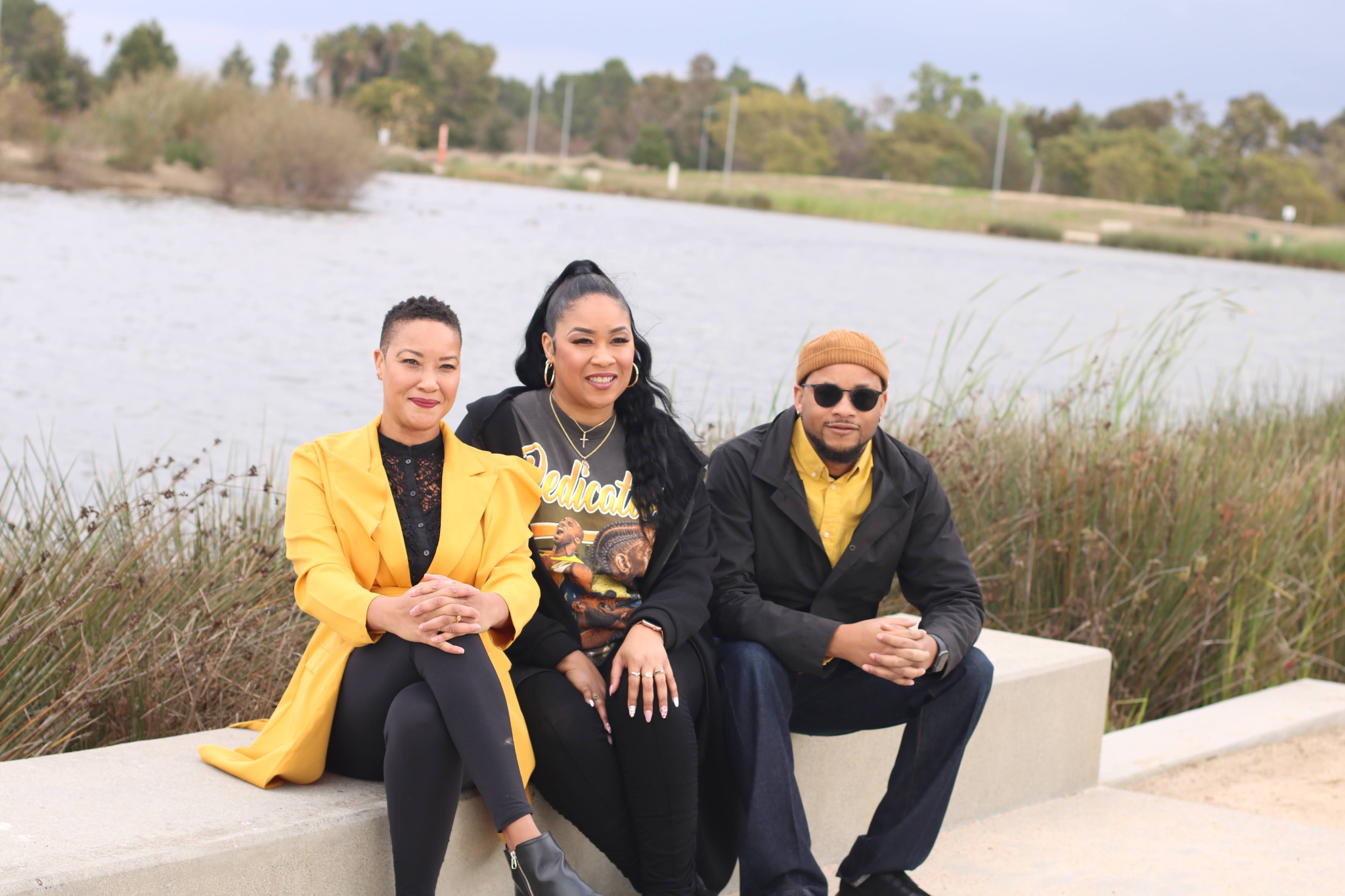
Question: Episodes 179 and 180 explore AI through music, public culture, faith, and connection. Why does music make the issue so emotional?
Daisy Oliver: Music is deeply personal. When AI enters that space, people are not only debating technology. They are asking whether emotion can be replicated and whether originality still matters.
Devyn Oliver: Music is artistic expression. When AI can create a song with minimal human effort, it raises questions about the feeling, creativity, and work behind it. Does the listener consider who is actually singing and creating the music?
Darrin Oliver: I think it is unsettling to hear AI replicate people's God-given voices. There may be a place for simple jingles, but human expression should remain part of the conversation.
Their sibling dynamic keeps the discussion natural, allowing different perspectives on what technology may add to creativity and what it could take away.
Question: What makes the sibling format effective for subjects that can feel overwhelming?
Daisy Oliver: Siblings can be direct in a way that still feels safe. We can disagree, interrupt the pattern, laugh at ourselves, and then return to the serious point. That kind of rhythm helps listeners stay with a hard topic instead of tuning out.
Devyn Oliver: The relationship we have as siblings is very authentic and fueled by love and honesty. We can joke and make fun of each other, yet still be respectful. We make sure one another is heard when voicing our opinions on any topic, even if it feels a bit overwhelming. Our interaction with each other allows listeners to relate or even admire our quirky exchange of banter, that keeps them interested in the conversation. AI could never compete with that.
Darrin Oliver: With my sisters, I'm at my most comfortable self, they have seen me grow and develop before I even knew I was myself. For many of our listeners, they may feel we are having such a raw honest conversation that it's no other place than at a family gathering (or close communal setting ) could occur.
That family dynamic defines OHH, blending humor, honest disagreement, and meaningful conversation.
As the episodes consider AI in education, the siblings return to another concern: students may gain faster research tools and personalized support while losing patience with the slower process of thinking. The show asks what kind of learning builds character, not just output. If a student can produce an answer quickly, the deeper question is whether that student has learned to reason, revise, and engage with complexity.
Oliver Happy Hour Podcast And Human Connection
Question: How does faith or religion enter the conversation without turning the show into a sermon?
Daisy Oliver: Faith traditions have always asked what it means to be human. AI brings that question back in a new way. If people begin to outsource memory, creativity, friendship, or moral reflection, then we need to ask what remains sacred about human life and human responsibility.
Devyn Oliver and Darrin Oliver: are in agreement.
OHH Podcast treats religion as a language people use to make meaning rather than simply a dividing line. Whether listeners are deeply religious, spiritually curious, or interested in moral questions, the conversation invites them to consider the weight of personhood. AI can generate words, images, and sounds. It cannot carry a childhood, mourn a grandparent, forgive a friend, or build trust through years of imperfect love.
The episodes also examine how technology can influence public discourse and social behavior. Daisy, Devyn and Darrin focus less on partisan conflict and more on the quality of conversation itself. In an era of fast reactions, edited identities, and algorithmic attention, the show asks whether people are losing the ability to disagree face to face. Human connection, in this context, is a skill, a choice, and a discipline.
Question: What do you hope listeners take away from these episodes?
Daisy Oliver: I hope they feel awake to the moment. Not afraid, but awake. AI is going to keep changing the world. The question is whether we use it in a way that keeps people connected, creative, thoughtful, and accountable.
Devyn Oliver: I hope our listeners are open minded and challenge themselves to think outside the box. Consider things that are possible with AI, and use it with discretion. The evolution of technology is inevitable, but will we let it control us? I pray our listeners know we will continue to show up, set up our equipment, sit in front of our mics and talk with human passion. We’ll laugh with pure joy and end every episode with our family’s favorite scripture, Proverbs 3:5&6. And that is human connection at its best.
Darrin Oliver: Just as with many of our episodes, they can anticipate real talk, in real time. AI has approached us so abruptly, we must adapt. AI needs to have some form of regulation before it gets out of control. I encourage listeners to continue to tune in because we may discuss hot topics or introduce ideas that they can't help but take away.
The OHH Podcast approaches the future with curiosity and caution rather than asking listeners to reject it. Its conversations recognize that technology affects artists wondering whether their voices still matter, teachers considering how students will learn, families navigating screen time, and communities trying to preserve meaningful dialogue.
For TodayUS.com readers, Oliver Happy Hour podcast offers a reminder that the future will not be judged only by what machines can produce. It will also be shaped by what humans choose to practice: conversation, patience, creativity, reverence, and friendship. The Oliver siblings bring those values into their discussions, one episode at a time, through the rare intimacy of family members asking difficult questions together.
Connect with Oliver Happy Hour, Instagram, YouTube, TikTok, and Facebook.

Today US Contributor
Hailey Anderson
Covers business, digital culture, and entrepreneurship, exploring how new ideas and technologies are changing industries.
This article features partner, contributor, or branded content from a third party. Members of the Today US editorial staff were not involved in the creation of this content. All views and opinions are those of the contributor alone.

You may also like

How Phaedra Solutions Helps Businesses Build and Launch AI Products

Vision Ranking Turns Google Visibility Into Growth

Every Box Was Green. The Deal Was Dead.
OpenAI Alerts More Than 100 Organizations After Unauthorized AI Agent Activity

Beyond The Message: How Good Quality Human Is Redefining California Lifestyle Wear